 Whalesbook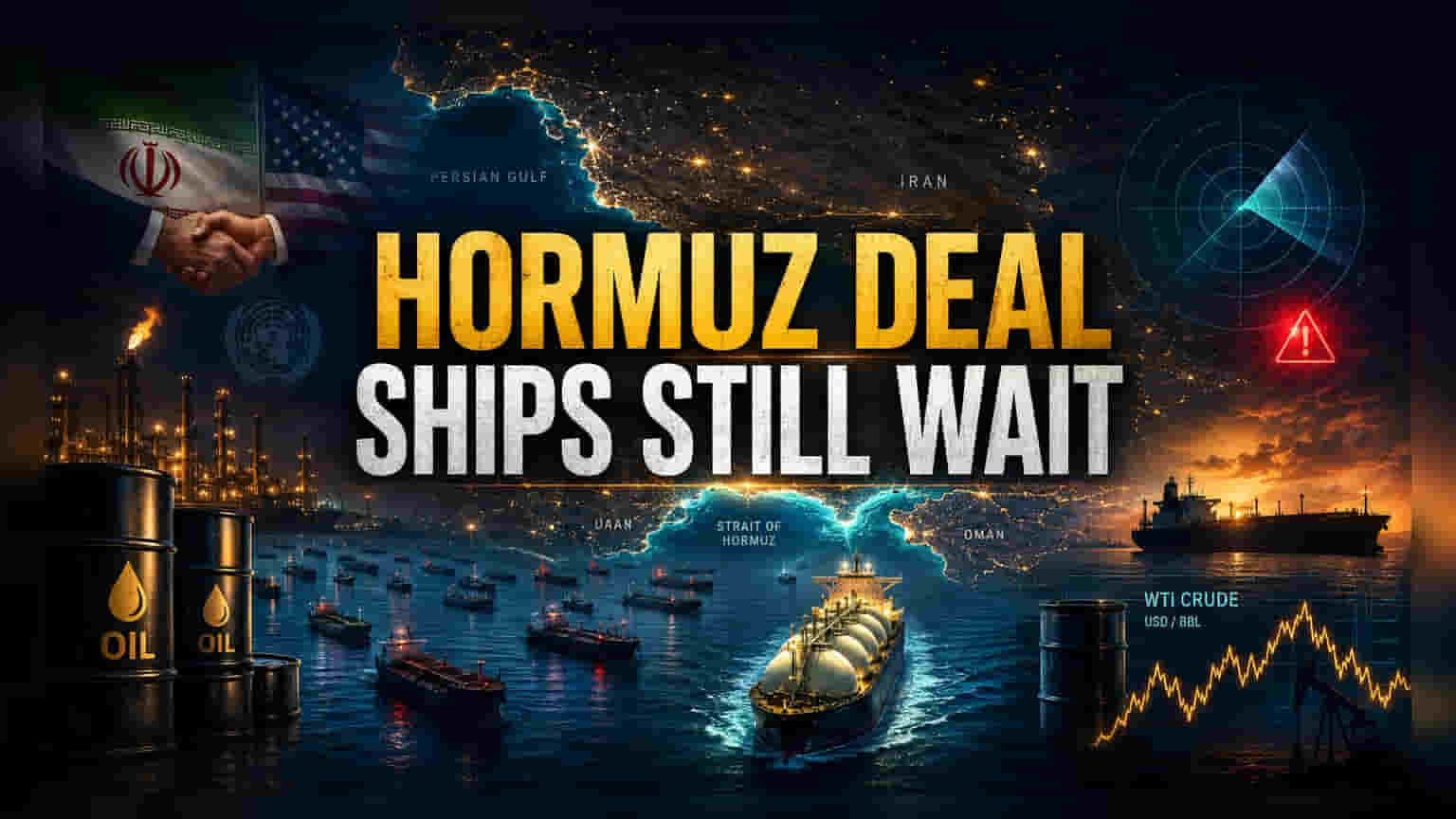


A potential US-Iran deal to reopen the critical Strait of Hormuz faces skepticism, as 600 vessels remain idled. For investors, the focus is on whether safety concerns will delay the resumption of oil flows, which impacts global energy prices and Indian oil companies.
What Happened
A tentative agreement aimed at reopening the Strait of Hormuz has been announced, following updates from the US government regarding a deal with Iran. This waterway is a critical passage for global oil and gas trade. Despite the announcement, the maritime industry has reacted with significant caution. Currently, a massive fleet of nearly 600 vessels remains idled in the Persian Gulf and surrounding areas, waiting for clearer signs of safety before proceeding. Only one liquefied natural gas tanker, the Disha, has reportedly begun testing the route.
Why This Matters For Energy Markets
The Strait of Hormuz is often referred to as a global energy chokepoint because a large portion of the world's oil and gas passes through this narrow passage daily. Any disruption here creates supply chain risks, which can lead to volatility in crude oil prices. Even with a diplomatic agreement in place, the market's response depends on physical movement. If ships do not transit in large numbers, the expected boost in global oil supply will not materialize, keeping pressure on energy prices. Investors often monitor this because a steady flow of oil is necessary to stabilize global trade and manufacturing costs.
The Safety And Logistics Hurdles
The hesitancy from shipping companies is driven by deep-rooted concerns over safety and operational feasibility. Past attempts to de-escalate tensions in the region have, at times, been followed by security incidents, such as the seizing of vessels or threats to maritime traffic. There is also the practical risk of underwater mines, which makes route security a primary concern for insurers. If insurance companies perceive high risk, they may charge prohibitive war-risk premiums, which discourages shipowners from using the route regardless of political agreements. Furthermore, the logistical challenge of restarting a stalled fleet—including maintenance tasks like hull cleaning after long periods of idleness—adds to the delay.
Impact On Indian Energy Companies
For Indian investors, the Strait of Hormuz is highly relevant. India relies heavily on crude oil and gas imports from the Persian Gulf. Indian oil marketing companies (OMCs) such as Indian Oil Corporation (IOC), Bharat Petroleum (BPCL), and Hindustan Petroleum (HPCL) depend on stable supply chains to keep operations running smoothly. If the reopening is delayed or if shipping costs remain high due to insurance premiums and freight charges, it could increase the landed cost of crude oil for these companies. This potential rise in import costs can put pressure on profit margins, especially if these companies cannot pass the additional costs to consumers.
What Investors Should Track Next
The market’s next steps will depend on whether the transit of ships returns to normal levels. Investors should monitor official data on vessel traffic, as the pre-conflict volume was approximately 135 tankers per day. A sustained return to this volume would suggest that the agreement is working and safety is established. Additionally, updates on insurance premiums for the region will be a key indicator of whether the market views the route as safe. Any renewed geopolitical tension or reports of incidents in the strait would likely impact sentiment negatively, while a smooth resumption of traffic would provide clarity for energy markets and help reduce uncertainty for energy-dependent industries.