

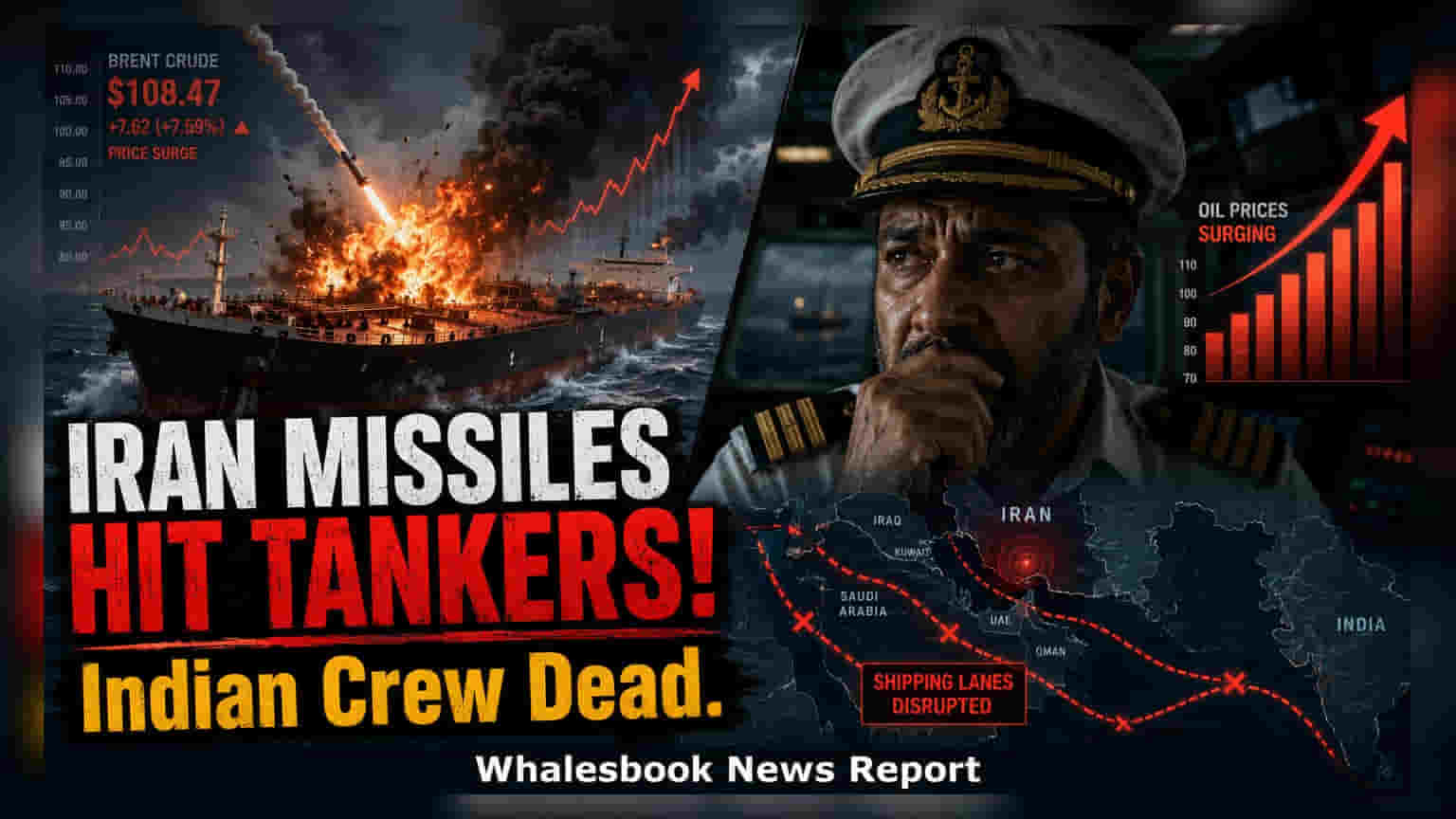
Iranian missile strikes on two UAE-bound oil tankers in the Strait of Hormuz have caused casualties, including one Indian crew member. This attack in a critical global oil transit route has raised concerns regarding potential supply chain disruptions and increased insurance costs for vessels operating in the region.
A significant escalation occurred on Tuesday in the Strait of Hormuz, a vital maritime corridor for global oil transport, after two oil tankers, the Mombasa and Al Bahiyah, were struck by cruise missiles. The attack resulted in the death of one Indian crew member and left eight other sailors injured, with four reported to be in serious condition. The vessels, which were operating in the southern lane of the strait, experienced fires that were later contained by the crew.
The United Kingdom Maritime Trade Operations also documented a separate incident involving a projectile strike on a tanker near Oman, further highlighting the heightened security environment in these waters. While the immediate focus remains on the humanitarian impact and the safety of the remaining crew, the location of these incidents is highly significant for the Indian energy sector and broader maritime trade.
Strategic Importance of the Strait of Hormuz
The Strait of Hormuz acts as the world's most critical oil chokepoint. A substantial portion of global crude oil and liquefied natural gas (LNG) passes through this narrow passage daily. For Indian oil companies, this route is the primary artery for energy imports from the Middle East. Any sustained instability or perceived security threat in this region typically leads to higher maritime insurance premiums and can cause temporary delays in tanker schedules. If these security risks persist, energy importers may face increased logistical costs, which could eventually impact the operating margins of companies dependent on crude imports if oil prices remain volatile.
Potential Impact on Global Energy Markets
The UAE Ministry of Defence has formally condemned the strikes and declared its intention to take necessary measures to protect its sovereignty and maritime security. This rhetoric suggests that regional geopolitical tensions may remain elevated in the coming days. In the oil markets, such events historically trigger temporary price volatility. Investors monitoring the energy sector will likely track whether these security concerns lead to prolonged tanker rerouting or supply delays, which could tighten the immediate availability of oil. The situation remains fluid, and the primary monitorable for the market will be the extent of the UAE’s response and the subsequent impact on shipping traffic through the strait.