 Whalesbook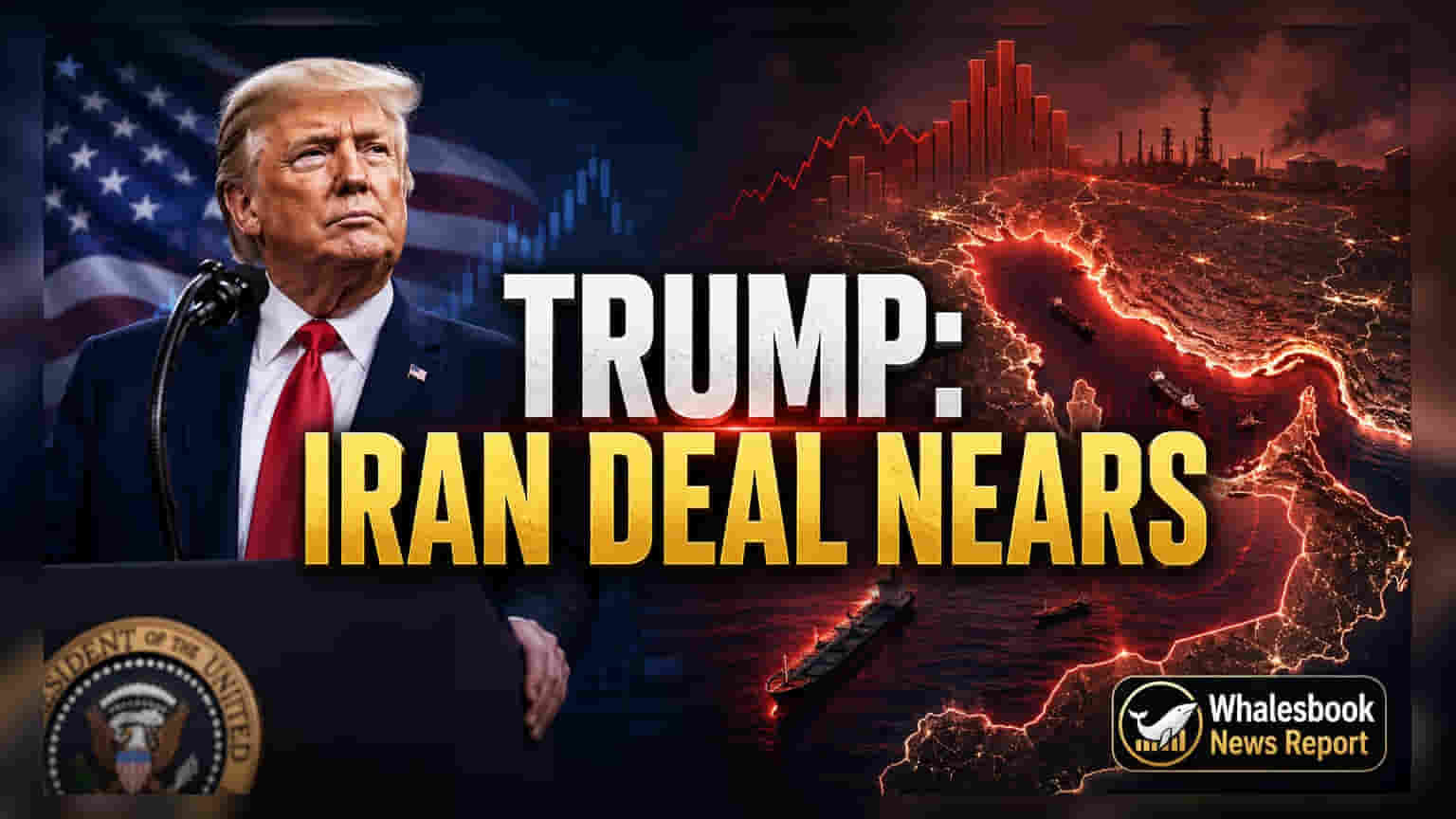


Geopolitical Supply Shift Expected
The potential stabilization of shipping through the Strait of Hormuz could significantly ease pressure on global energy markets. For months, disruptions in this key waterway have added a war-risk premium to crude oil prices, prompting energy companies to protect against supply chain issues. The move towards an agreement suggests a de-escalation of immediate military concerns, leading traders to re-evaluate the current price support for Brent and WTI crude. Market sentiment remains cautious, viewing this diplomatic development as a temporary pause in a long-standing regional conflict rather than a final solution.
Market Impact on Energy Prices
Developments concerning the Strait of Hormuz, which handles about 20% of global oil, historically cause strong reactions in energy markets. The possibility of restored shipping capacity may create a gap between current spot prices and longer-term futures. While the energy sector has seen higher profit margins due to supply limits, a return to full shipping capacity could reduce the inflationary impact that has boosted energy stocks recently. Companies in logistics and shipping, which saw record high rates due to rerouting, could face normalizing freight costs, potentially affecting earnings.
Doubts About Deal Execution
Significant challenges exist that could prevent a finalized agreement. Past U.S.-Iran diplomatic efforts have been marked by weak enforcement and deep mistrust, especially regarding nuclear commitments and regional influence. Markets are factoring in the possibility that this ceasefire might be a short-term diplomatic tactic rather than a major shift in power. Relying on intermediary countries to finalize the deal details adds another layer of uncertainty, as differing regional interests could lead to varied interpretations of the terms. Any sudden change in statements or increased conflict could cause oil prices to swing sharply, especially given the current low liquidity in energy derivatives.
Future Expectations
Analysts are divided on how long the current market trend will last. Many point out that even if shipping lanes reopen, broad sanctions against Iran, a key part of U.S. foreign policy, will likely continue to restrict Iran's long-term export capacity. Investors will now focus on verifying shipping volumes and checking if insurance premiums for tankers decrease following the diplomatic announcements. Until steady commercial activity resumes, the energy market is expected to remain highly volatile, reacting to every update on regional trade normalization.