

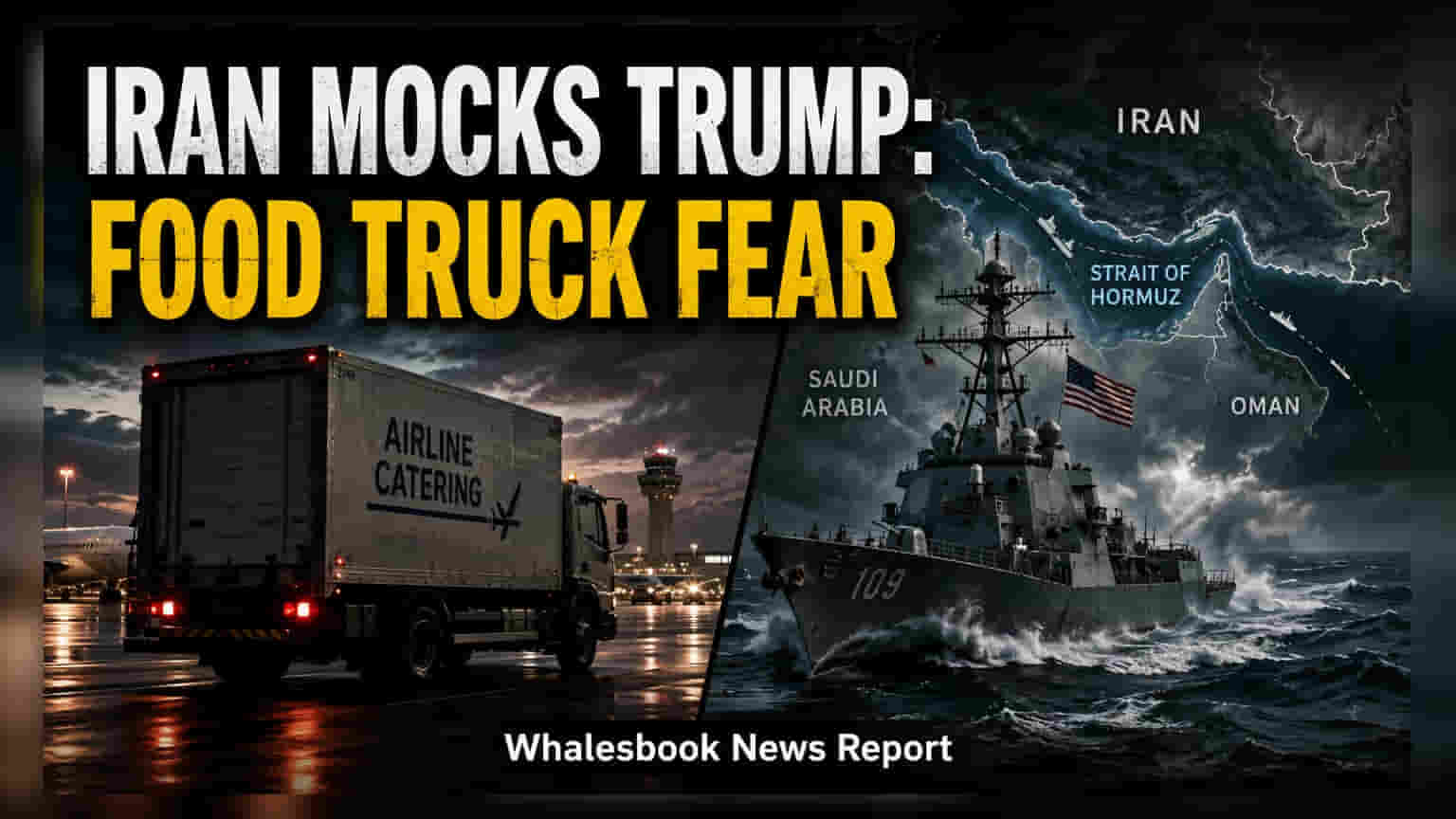
Iran and the U.S. are trading barbs over the Strait of Hormuz, but the real investor risk remains the ongoing maritime blockade in place since February 2026. For Indian markets, the primary concern is the potential for volatile oil prices and supply chain disruptions, which could impact energy import costs and domestic inflation.
Geopolitical tensions between Iran and the United States have intensified, bringing fresh focus to the strategic Strait of Hormuz. While recent public exchanges between Iranian officials and U.S. leadership have grabbed headlines, the underlying economic reality is the ongoing blockade of the Strait of Hormuz, which has been in place since February 2026. This maritime corridor remains a critical chokepoint for global oil supplies, making the situation a key concern for energy-importing nations like India.
Ebrahim Azizi, chairman of Iran's parliamentary National Security and Foreign Policy Committee, recently dismissed threats regarding U.S. control of the Strait, following comments from President Donald Trump suggesting the waterway would eventually become U.S. territory. While White House officials later clarified these remarks as rhetorical, the actual closure of the waterway continues to disrupt commercial shipping in the region.
For Indian investors, the situation has direct implications. India relies heavily on crude oil imports, a significant portion of which typically passes through the Strait of Hormuz. An active blockade threatens established supply chains and keeps global oil prices volatile. Sustained instability in this region can lead to higher input costs for Indian companies, particularly in sectors such as aviation, oil marketing, and logistics, which are sensitive to energy prices.
Investors should consider the potential for risk premiums to be added to global oil prices. If the conflict escalates or the blockade persists for an extended period, it could put upward pressure on domestic inflation and impact profit margins for companies that cannot easily pass on higher fuel costs to consumers. Additionally, shipping and insurance premiums for vessels traversing the broader region may face upward pressure, affecting trade logistics.
Market participants will continue to track global movements in Brent crude prices, which serve as a benchmark for oil importers. The next important updates for investors include any changes in the status of the maritime blockade, official statements regarding the security of international energy routes, and the subsequent impact on Indian import bills. Watching how these geopolitical risks influence energy costs will be essential for assessing potential margin pressure on Indian industries in the coming months.