

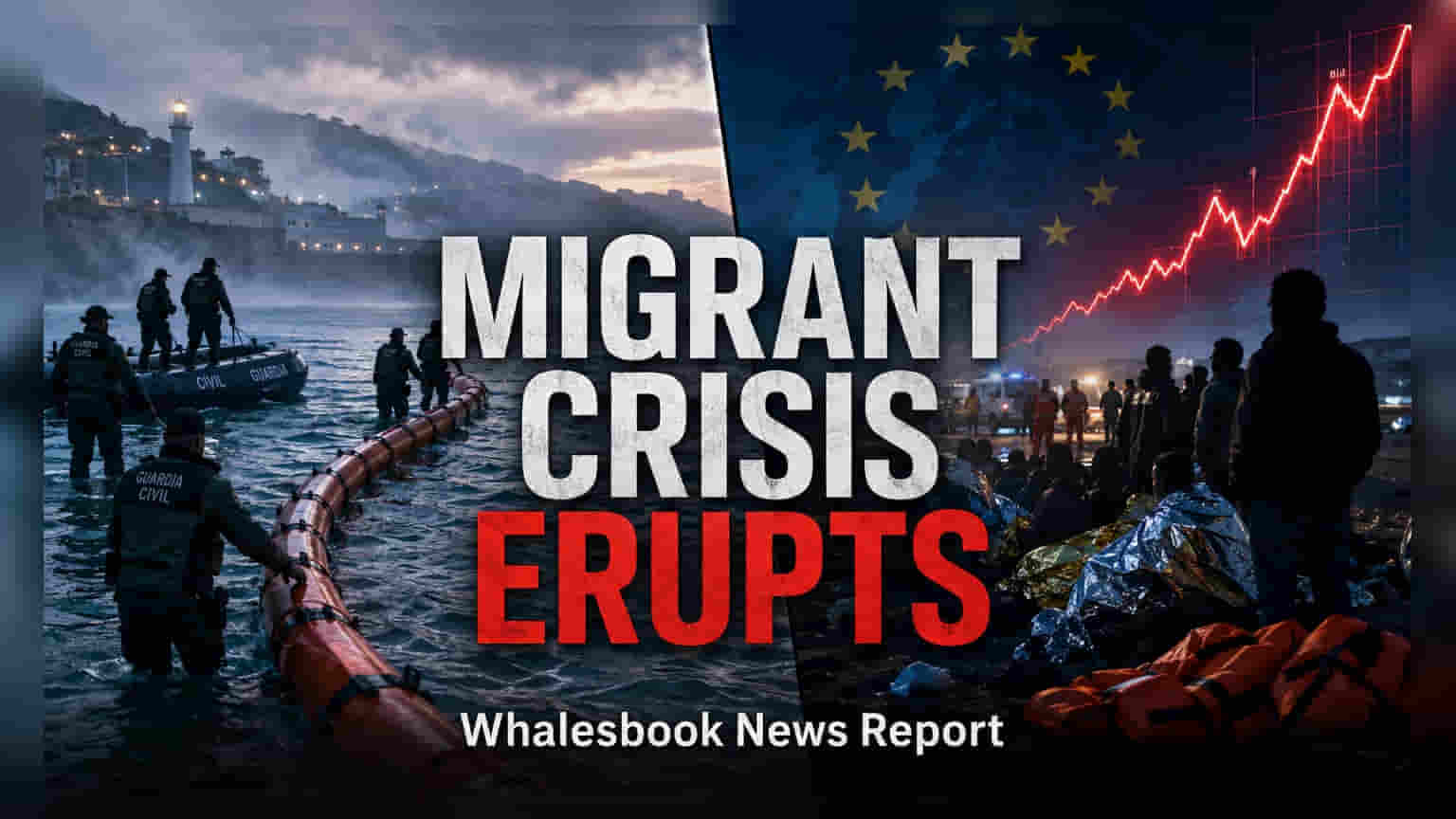
Spain has begun installing a 500-meter floating barrier off the coast of Ceuta following a surge of 50,000 migrants from Morocco. The emergency measure follows a crisis that resulted in at least 67 deaths. European Union interior ministers are holding an emergency meeting to coordinate border security efforts.
Spain has officially commenced the installation of a 500-meter floating barrier at the Tarajal breakwater in Ceuta, its North African enclave. This action follows a sudden and massive surge of approximately 50,000 migrants attempting to cross from Morocco between Thursday and Saturday. Spanish authorities have confirmed that at least 67 people lost their lives during the event, with many fatalities occurring due to drowning or injuries sustained while scaling border fences.
Security Response and Logistics
To manage the border, the Spanish Civil Guard began deploying the pneumatic barrier on Saturday morning. The system includes naval buoys designed to reach both above and below the water, aiming to create a controlled channel for patrol vessels. While the government reports that order was largely restored within 24 hours and unauthorized crossings have since decreased, the situation remains tense. The Civil Guard union has formally requested 200 additional personnel to bolster security, specifically to prevent individuals from bypassing the barrier by swimming.
EU Coordination and Schengen Tensions
The scale of the incident has prompted urgent discussions within the European Union. Twenty-two member states have pushed for a unified strategy to secure external borders, leading Ireland, as the current EU presidency holder, to organize an emergency video conference for interior ministers. Tensions have also risen regarding regional travel policy. Spanish Prime Minister Pedro Sanchez publicly criticized Italy’s recent decision to suspend Schengen travel arrangements with Madrid for one month. Sanchez labeled the move selfish and unlawful, arguing that such actions undermine unity during international crises.
Policy and Movement Restrictions
In an effort to contain the impact, Madrid has clarified that migrants who entered Ceuta irregularly will not be granted passage to mainland Spain or other countries within the Schengen area. Authorities are currently enforcing identity checks on all individuals attempting to depart Ceuta by sea or air. Despite accusations that Spain’s existing programs for regularizing undocumented individuals may have contributed to the recent influx, the Spanish government has denied that these policies encouraged the surge. Investors and observers will continue to track the outcome of the EU emergency meeting, as any shifts in border policy or potential changes to Schengen travel rules could have broader implications for regional stability and logistics.