

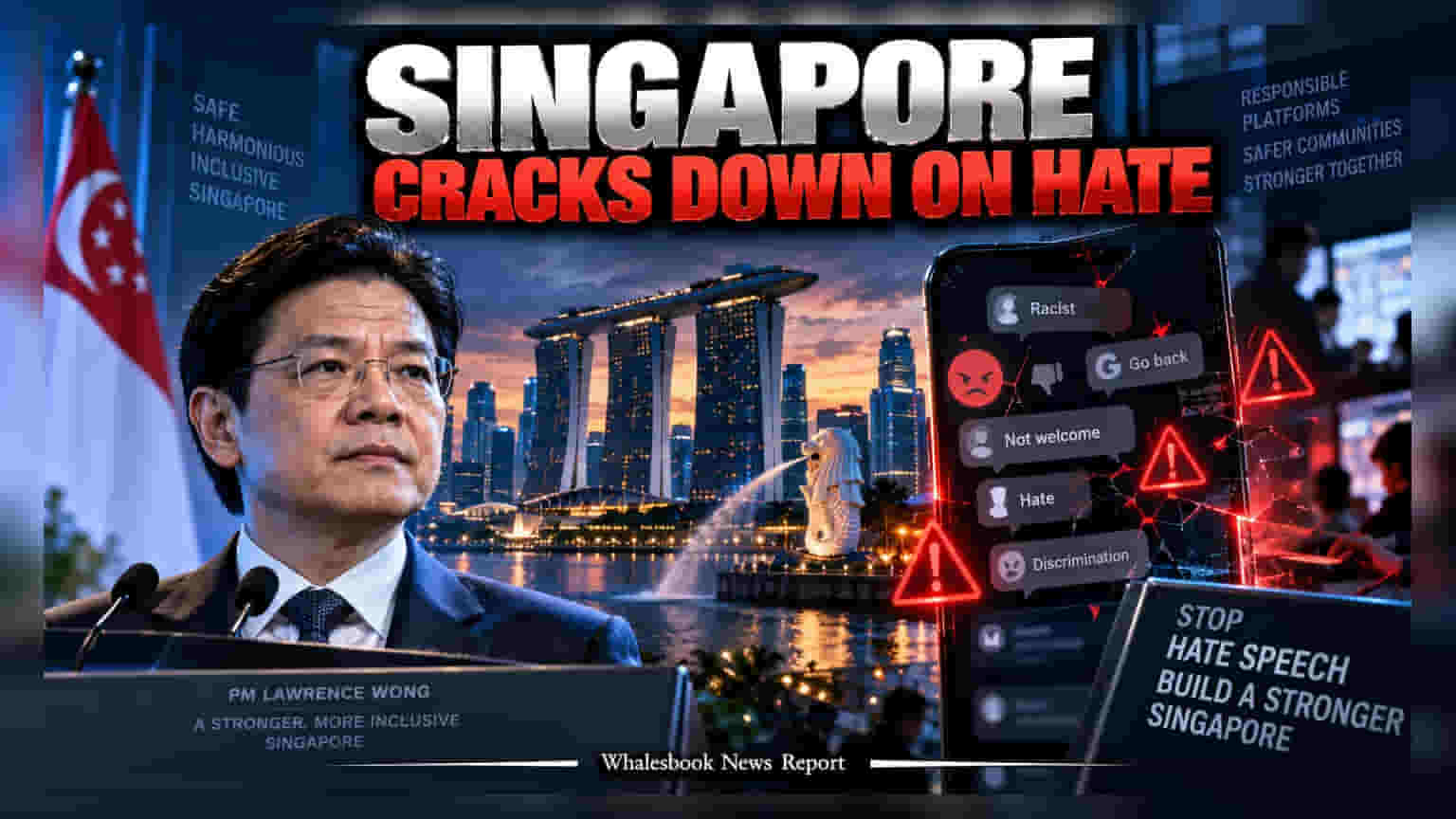
Singaporean authorities have launched a strict crackdown on a rise in xenophobic online rhetoric targeting the Indian community. The abuse emerged following public frustration over the August 26 Nepal floods and discourse surrounding Singapore Airlines' investment in Air India. Government leaders are now coordinating with digital platforms to remove offensive content, citing risks to social cohesion and corporate integrity.
Singaporean leadership has initiated a firm crackdown on a surge of xenophobic and anti-Indian commentary surfacing across social media platforms. The government intervention, led by Prime Minister Lawrence Wong and Home Affairs Minister K. Shanmugam, marks a zero-tolerance approach toward hate speech that authorities believe threatens the nation's carefully managed social fabric.
The rise in vitriolic rhetoric stems from two specific, emotionally charged events. The first is the public distress regarding the August 26 Nepal-Tibet floods, which left several Singaporean citizens missing. The second involves ongoing public discourse regarding Singapore Airlines' planned capital infusion into Air India. Authorities have noted that these events have been exploited by bad actors to spread racist slurs and promote discriminatory narratives.
Targeting Corporate Decisions and Leadership
The online abuse has extended beyond the general public to target corporate figures, including Temasek CEO Dilhan Pillay Sandrasegara. Racist attacks specifically targeting his ethnicity in the context of the Air India investment have drawn sharp condemnation from the government. Minister K. Shanmugam dismissed these allegations as malicious, asserting that corporate decisions made by Singapore’s leadership are driven by strategic business merit rather than ethnic or personal affiliations.
This highlights a growing concern regarding the intersection of corporate policy and social media sentiment. When high-profile investment decisions are conflated with racial prejudice, it creates a challenging environment for institutional leaders and multinational corporations operating within the region.
Regulatory and Digital Response
The Ministry of Digital Development and Information is currently coordinating with major social media platforms to ensure that content violating local guidelines is identified and removed expeditiously. Local media outlets are also adjusting their moderation protocols, with some disabling comments on specific threads related to the Nepal disaster to mitigate the persistence of hate speech.
What This Means for Institutional Stability
For investors and corporate observers, this event underscores the importance of regulatory governance in the digital space. While the immediate impact of this rhetoric is social rather than financial, the government's aggressive stance indicates a low tolerance for risks that could destabilize the business environment. Investors often monitor such regulatory actions as they signal the state's intent to maintain a stable, predictable, and inclusive business climate.
The situation remains a significant monitorable for regional stability and corporate reputation management. The next important step will be how effectively these digital platforms comply with government directives to maintain civil discourse. Further updates from the Ministry of Digital Development and Information regarding platform compliance may clarify the long-term impact of these moderation efforts on public online behavior.