

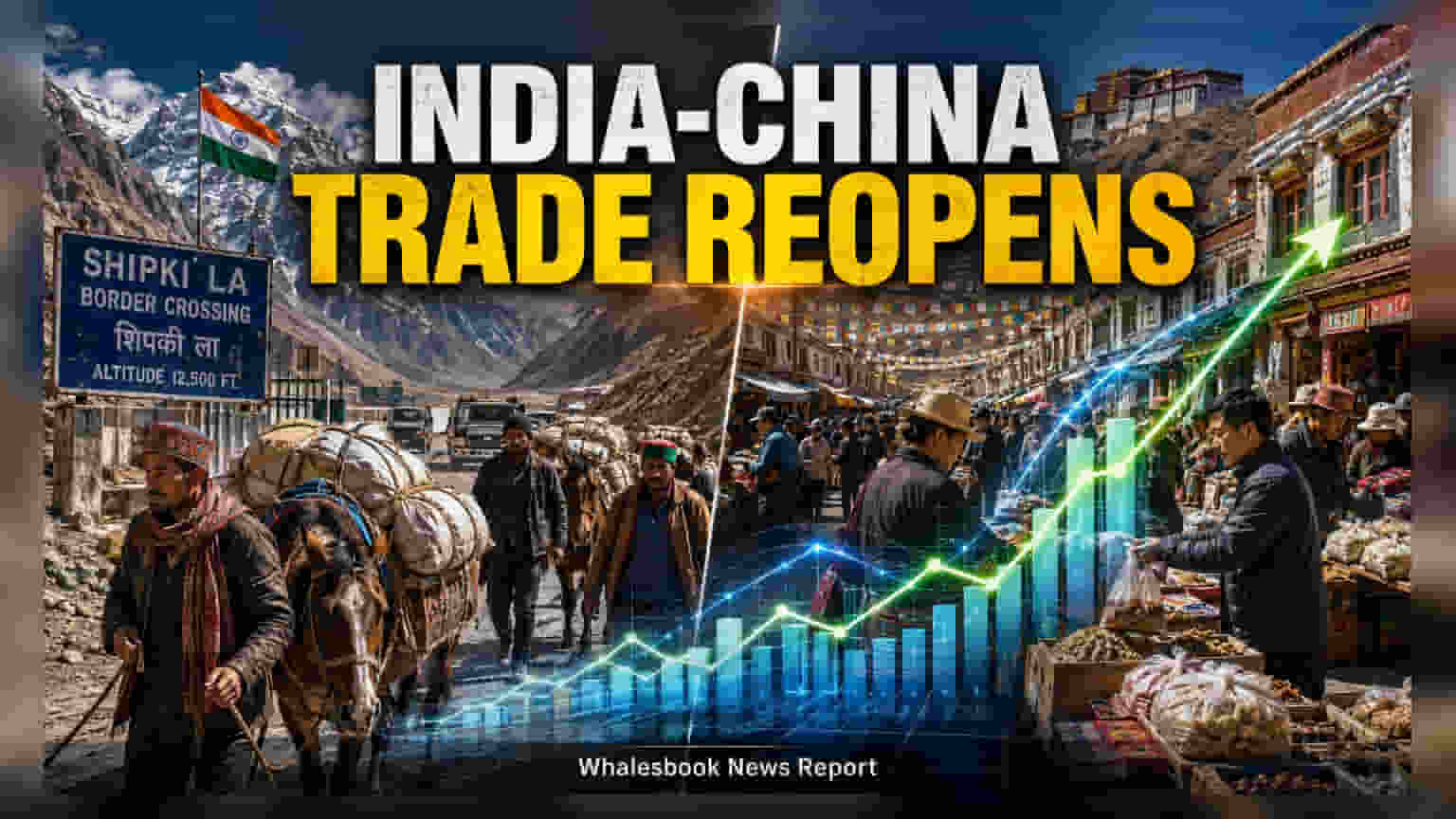
India and China have resumed cross-border trade via the historic Shipki La route in Himachal Pradesh after a six-year gap. The government has opened a ₹1.70 crore trade mart to support this activity, which operates on a barter system. Local economic development and job creation in the Kinnaur district are the primary expected outcomes of this reopening.
Cross-border trade between India and China through the Shipki La pass in Himachal Pradesh has officially resumed following a six-year suspension. This historic route, which connects the Kinnaur district of India with Tibet, saw 16 traders begin their journey across the border on Saturday. To support the logistics of this activity, a new facility called the Chhuppan Trade Mart has been established in the region at a cost of ₹1.70 crore.
Operational Framework and Trade Scope
The trade activities at Shipki La operate under a specific barter system agreement. Traders are permitted a 72-hour window to conduct transactions within the designated Tibetan territory. Under the current regulatory guidelines established by the Union Ministry of Commerce, there is a defined list of permissible goods for exchange. Current records indicate that Indian traders are authorized to bring 72 types of items from the Tibetan side, while 30 types of goods are currently approved for export from India.
Local Economic Impact and Next Steps
The reopening is viewed by state officials as a way to boost the local economy in remote border regions. By re-establishing this commercial link, the government aims to provide new opportunities for self-employment and commerce for the youth in Kinnaur. While the infrastructure is now in place, stakeholders including the local Traders' Association have already requested an expansion of the list of goods permitted for trade. This proposal is expected to be reviewed by the state leadership, with any potential changes requiring coordination between the Ministry of External Affairs and Chinese authorities.
Monitoring Regulatory Compliance
For investors and observers tracking the economic impact, the primary monitorable will be the consistency of these trade flows and potential future expansions of the product list. Because the trade operates under specific government-mandated regulations, strict adherence to import-export compliance will be essential to ensure the longevity of these operations. Future updates on trade volumes, any adjustments to the list of tradable goods, and the impact on local employment will provide a clearer picture of how this initiative contributes to the regional economy over the long term.