

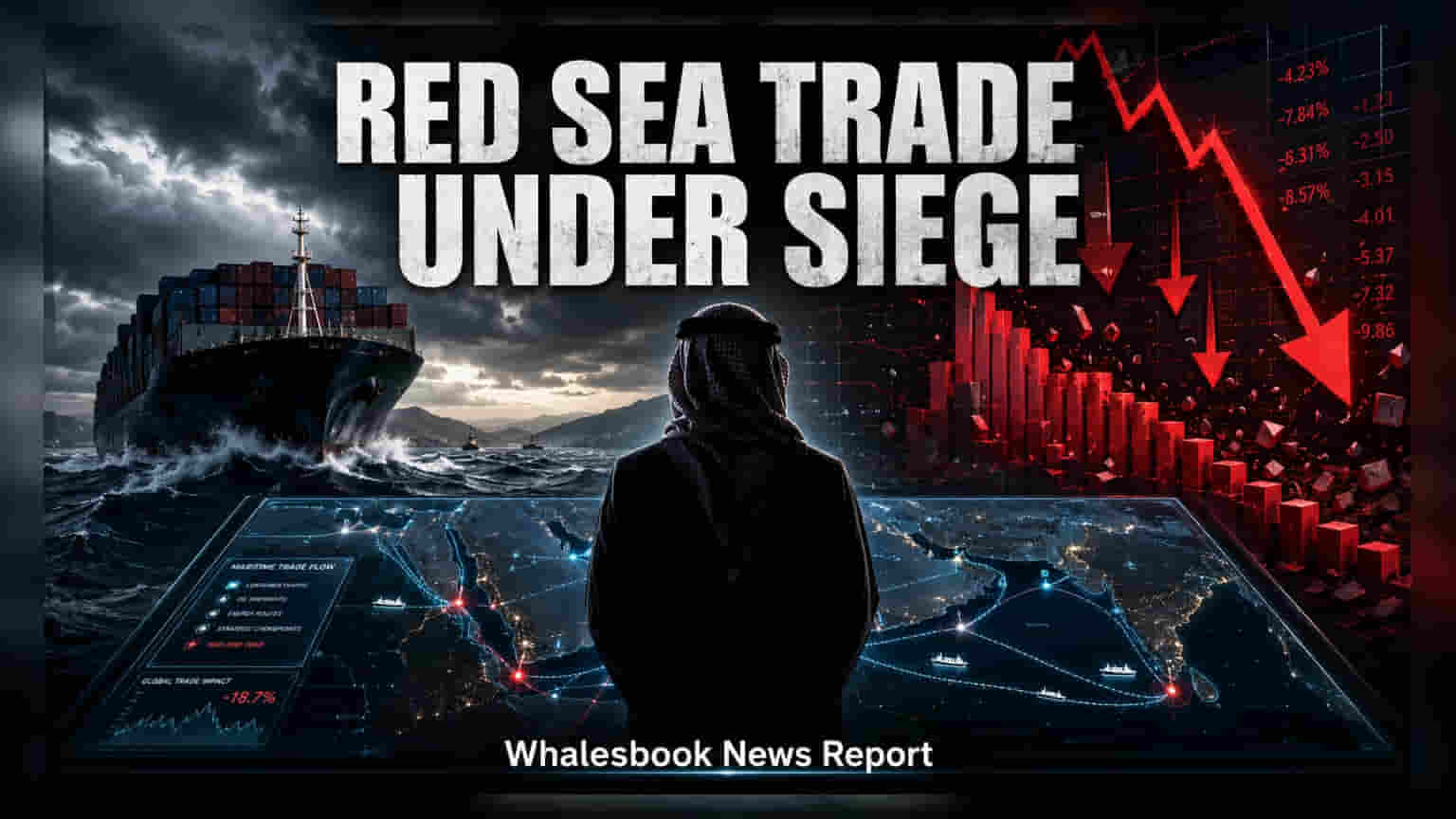
Saudi Arabia has formed a 13-nation maritime coalition to protect trade routes in the Red Sea and Gulf of Aden. The initiative aims to secure shipping lanes against ongoing security threats that could disrupt global commerce and energy supplies. Investors are closely watching how this security effort influences volatility in crude oil prices and international shipping costs.
Saudi Arabia has officially launched a multinational maritime defense coalition aimed at securing the Red Sea and the Gulf of Aden. This new alliance, which includes 13 participating nations, focuses on safeguarding the Bab el-Mandeb Strait, a narrow waterway essential for the global movement of goods and energy resources. By establishing a central headquarters in Riyadh, the coalition intends to improve coordination among member states to better address security risks that have recently impacted commercial shipping.
Economic Significance of the Red Sea Chokepoint
The Bab el-Mandeb Strait is a critical artery for global trade, with approximately 12% to 15% of total seaborne commerce passing through it. For Indian investors, the stability of this region is particularly relevant as it serves as a primary route for imports and exports between Asia and Europe. Any disruption or heightened security threat in this area can lead to increased shipping times, higher insurance premiums, and volatile freight rates, all of which directly affect the profit margins of companies involved in international trade and logistics.
Impact on Global Energy Markets
The formation of this coalition comes during a period of uncertainty in energy markets. Crude oil prices remain sensitive to geopolitical developments, as the Red Sea is a major transit point for oil and gas tankers. Following the announcement, Brent crude prices were observed around $89.03 per barrel, while WTI crude traded near $83.59. Investors in domestic energy companies and oil marketing firms often track these global price benchmarks, as fluctuations in crude oil directly influence input costs and, consequently, bottom-line performance.
Broader Regional Context
This maritime initiative is part of a larger, ongoing effort to maintain freedom of navigation amid regional tensions. It follows previous security efforts, such as the European Union’s naval mission initiated in 2024. While the coalition seeks to provide a stabilizing effect, the presence of wider geopolitical conflicts in the Middle East continues to create an unpredictable environment for global supply chains. The market will likely remain attentive to how effectively the coalition can deter security incidents and whether these efforts will lead to more consistent shipping schedules. Future monitorables for investors include the stability of freight costs, the frequency of security reports from these waterways, and the sustained impact of these geopolitical developments on global commodity pricing.