

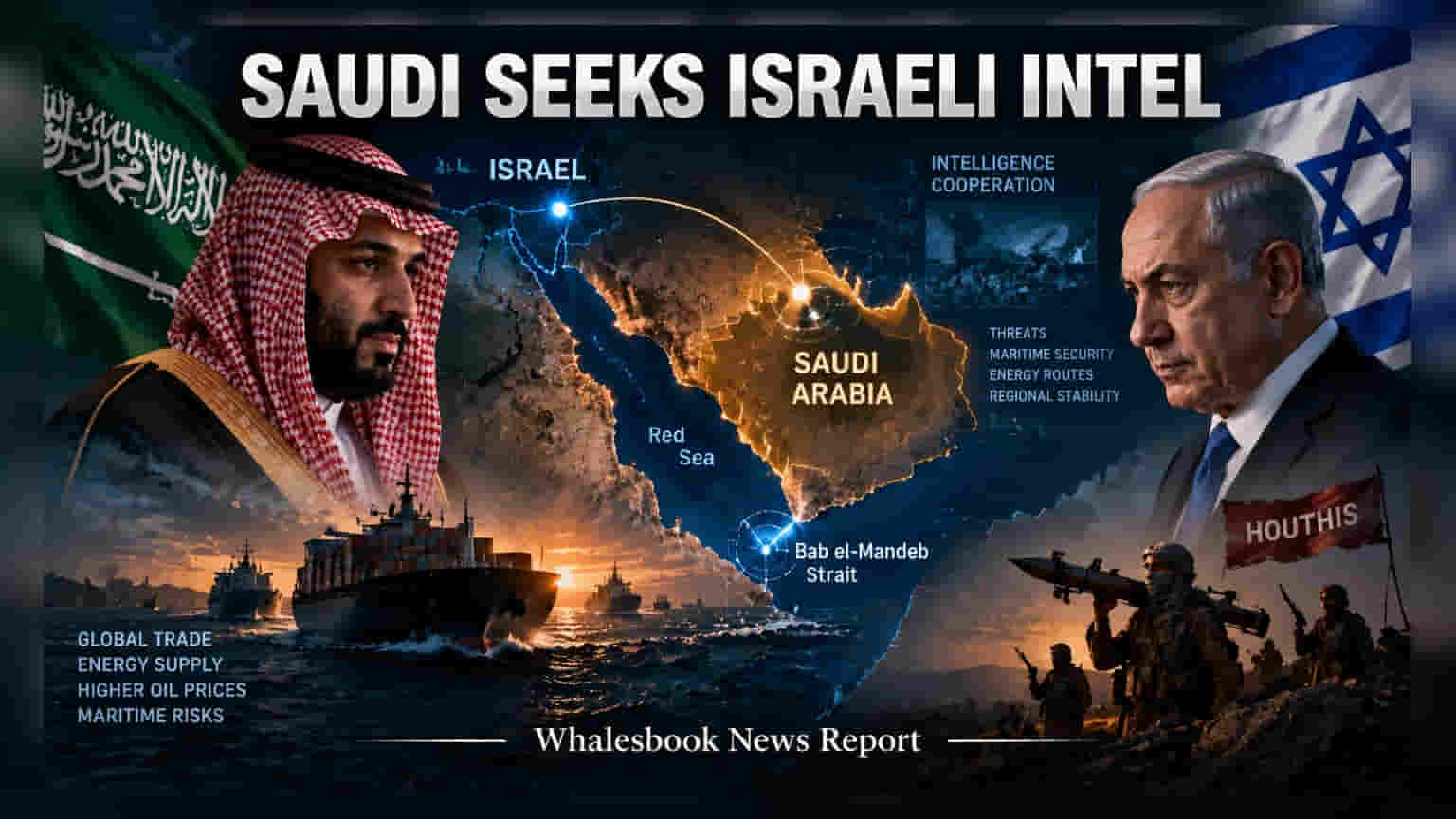
Saudi Arabia is reportedly seeking intelligence support from Israel, mediated by the US, to counter Houthi attacks near the Bab el-Mandeb Strait. This strategic move aims to protect critical maritime and energy routes. The development highlights escalating regional security risks that could affect global shipping costs and energy supply stability.
Saudi Arabia is moving to strengthen its regional security by seeking intelligence cooperation from Israel to manage threats posed by Houthi forces. This initiative is being facilitated through the United States Central Command (CENTCOM), as the kingdom navigates a complex geopolitical landscape without formal diplomatic relations with Israel.
The shift comes after a breakdown in existing defense expectations, notably with Pakistan, which has declined to deploy combat troops for operations in Yemen. With the United States and the United Kingdom adopting advisory roles rather than direct military intervention, Riyadh is reassessing its defensive options to secure the Bab el-Mandeb Strait, a critical maritime chokepoint.
For the global economy and investors, this news underscores the ongoing instability in the Red Sea region. The Bab el-Mandeb Strait is a vital corridor for international shipping and energy exports. Increased Houthi activity—including recent threats to oil pipelines and pumping infrastructure—poses a direct risk to energy supply chains. Disruptions in this area often lead to higher maritime insurance premiums and logistical delays.
From an Indian market perspective, the primary concern remains energy security and price volatility. India is a major importer of crude oil, and any sustained threat to regional stability can lead to fluctuations in global oil prices. Such price swings directly impact the financial performance of Indian Oil Marketing Companies (OMCs) like Indian Oil Corporation (IOC), Bharat Petroleum (BPCL), and Hindustan Petroleum (HPCL). When crude oil prices rise, these companies may face margin pressure unless they can pass on the costs to consumers or benefit from government subsidies.
Investors should monitor developments regarding the security of regional energy infrastructure. The willingness of Saudi Arabia to engage in unconventional diplomatic and military cooperation signals the severity of the threat it perceives. The ability of the US-mediated framework to effectively mitigate these risks will be a key factor in determining whether these tensions subside or further disrupt trade routes.
The next important update for market observers will be any official commentary from regional powers regarding the stability of maritime traffic and the status of energy infrastructure projects in the area.