

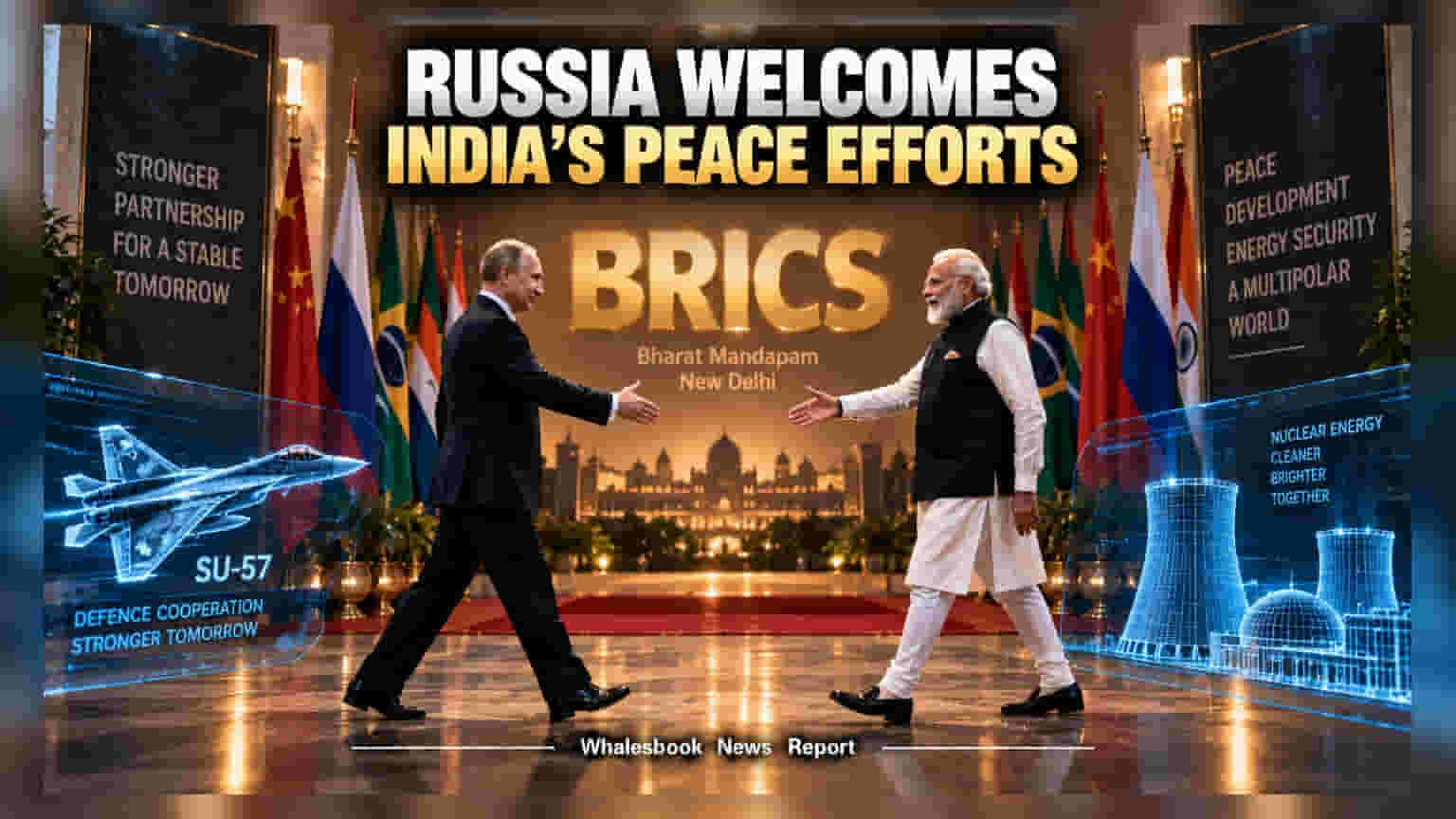
Russia has signaled support for India’s mediation in the Ukraine conflict ahead of high-level talks between PM Narendra Modi and President Vladimir Putin. With the 18th BRICS Summit set for September 11-13 in New Delhi, the agenda includes critical defense and energy cooperation, even as concerns persist over potential US tariffs on Russian oil imports.
The Kremlin has formally expressed openness to India's efforts in seeking a peaceful resolution to the Ukraine conflict. This diplomatic shift comes just days before the 18th BRICS Summit, scheduled to take place at Bharat Mandapam, New Delhi, from September 11 to 13, 2026. A key feature of the summit will be a bilateral meeting between Prime Minister Narendra Modi and President Vladimir Putin, where both leaders are expected to focus on strengthening the strategic partnership between the two nations.
Expanding Energy and Defense Cooperation
Beyond diplomatic dialogue, the upcoming meetings are set to address significant commercial and industrial projects. Negotiations regarding the construction of new nuclear power plants in India are high on the agenda. Additionally, discussions are expected to revolve around the potential procurement of the Su-57 fighter aircraft. For the Indian defense and energy sectors, these developments highlight a continued reliance on Russian technology and equipment. Successful progress on these projects could provide long-term stability for India's defense modernization and energy capacity expansion, though execution timelines remain a key monitorable.
Navigating Economic and Sanction Risks
While the partnership aims to deepen, it faces external economic pressure. The potential for the United States to impose tariffs of up to 100% on the top buyers of Russian crude oil remains a significant risk factor for India’s energy import strategy. While this proposed legislative measure is currently facing resistance in the US House and remains stalled ahead of the November 2026 midterm elections, it represents a clear challenge to cross-border trade. If enacted, such tariffs could complicate India’s ability to maintain favorable pricing on energy imports, potentially putting pressure on fuel import costs and domestic inflation.
To mitigate these risks, both nations have increasingly moved toward settling trade in national currencies rather than the US dollar. Reports indicate that approximately 90% of transactions between Russia and BRICS partner nations are now conducted using local currencies. This strategy is designed to bypass potential financial sanctions and stabilize trade flows despite volatility in the global banking and currency markets.
For investors and market participants, the outcome of the bilateral meeting will be crucial. The focus will remain on whether both countries can finalize specific defense or nuclear agreements and how they plan to insulate their trade corridor from intensifying global trade restrictions. The specific details emerging from the summit regarding the tariff situation and the progress of the Su-57 procurement will provide clearer signals on the future of this strategic trade relationship.