

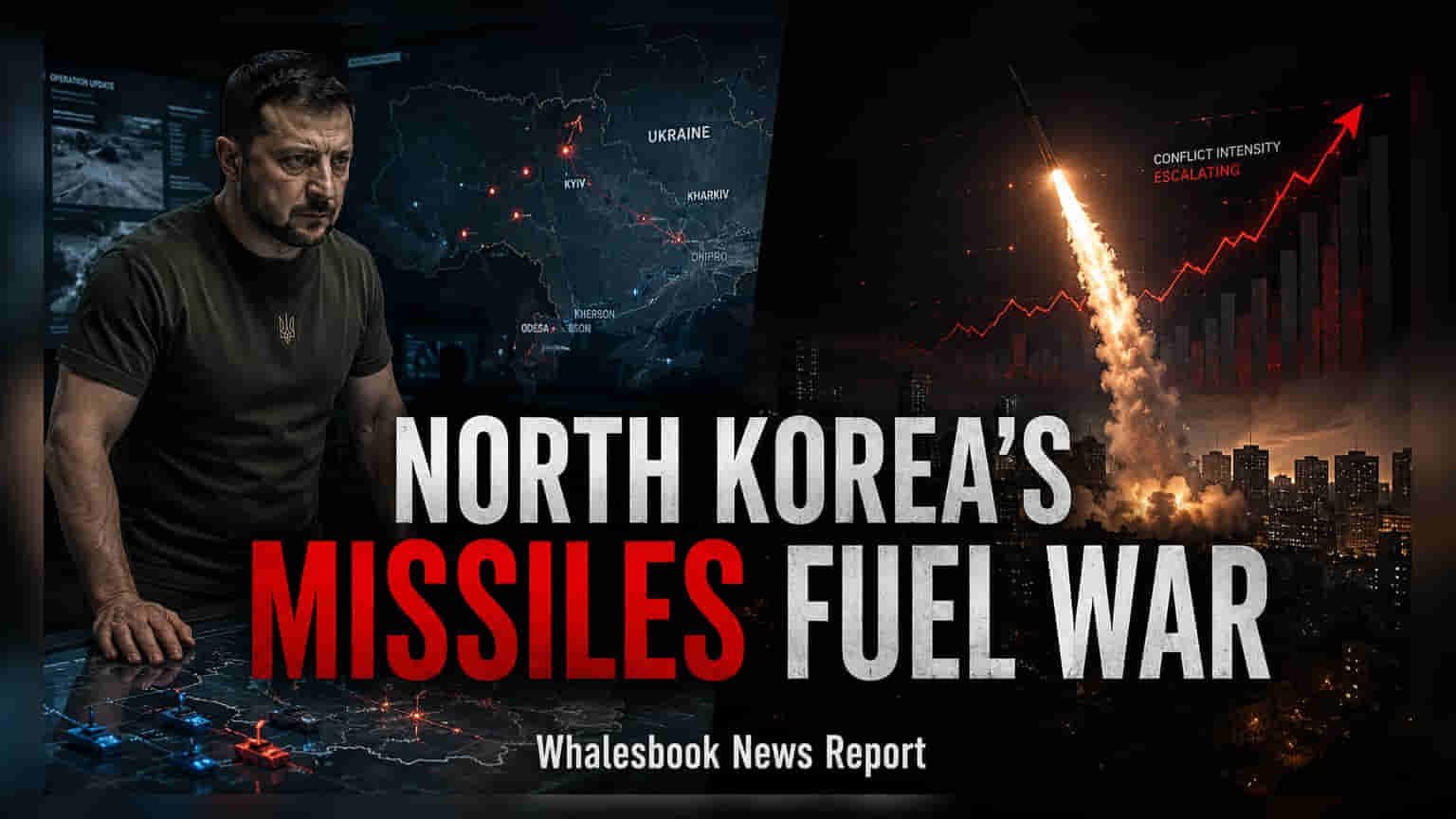
Russia’s latest missile attacks on Ukraine, utilizing North Korean ballistic weaponry, have resulted in nine civilian deaths. This development signals a deepening military alliance between Moscow and Pyongyang, fueling concerns about prolonged geopolitical instability, sustained volatility in global energy markets, and continued pressure on supply chains.
Russia intensified its military campaign against Ukraine on August 11, 2026, launching a series of missile and drone strikes that killed at least nine civilians. President Volodymyr Zelenskyy confirmed that these attacks included the use of ballistic missiles supplied by North Korea, specifically targeting the region of Zaporizhzhia. The strike on Zaporizhzhia resulted in six deaths and 19 injuries, while additional attacks occurred across the Dnipropetrovsk region and the capital, Kyiv.
For global investors, this development highlights the deepening strategic partnership between Russia and North Korea. Analysts and international reports suggest this cooperation has provided North Korea with significant financial benefits, estimated at $22 billion between 2022 and 2025, derived from arms sales and personnel support. The regular supply of advanced weaponry to Moscow suggests that the conflict is moving toward a prolonged phase rather than a near-term resolution.
Ukraine is currently facing acute shortages of Patriot air defense interceptors, which complicates its ability to counter the influx of advanced ballistic and hypersonic missiles. This technological imbalance, coupled with Russia’s increased domestic missile production and mobilization efforts, is creating a high-risk environment for regional stability. The impact extends beyond the battlefield, as geopolitical tensions of this nature often lead to volatility in global commodity markets, particularly for energy and metals, which are essential for manufacturing and logistics.
Corporate infrastructure has also seen direct impacts, with reports indicating damage to a logistics facility in the Voronezh region. Such incidents underscore the operational risks for companies with exposure to the conflict zone, including potential asset destruction and the complexities of navigating evolving international sanctions and supply chain disruptions.
Moving forward, the primary monitorables for investors and global markets include the trajectory of commodity prices, particularly crude oil and essential raw materials, as the conflict influences global supply chains. Additionally, international diplomatic responses and the effectiveness of current defense systems remain critical factors. The persistence of the war, now bolstered by North Korean hardware, continues to be a key consideration for global economic planning and risk management in sectors sensitive to geopolitical instability.