 Whalesbook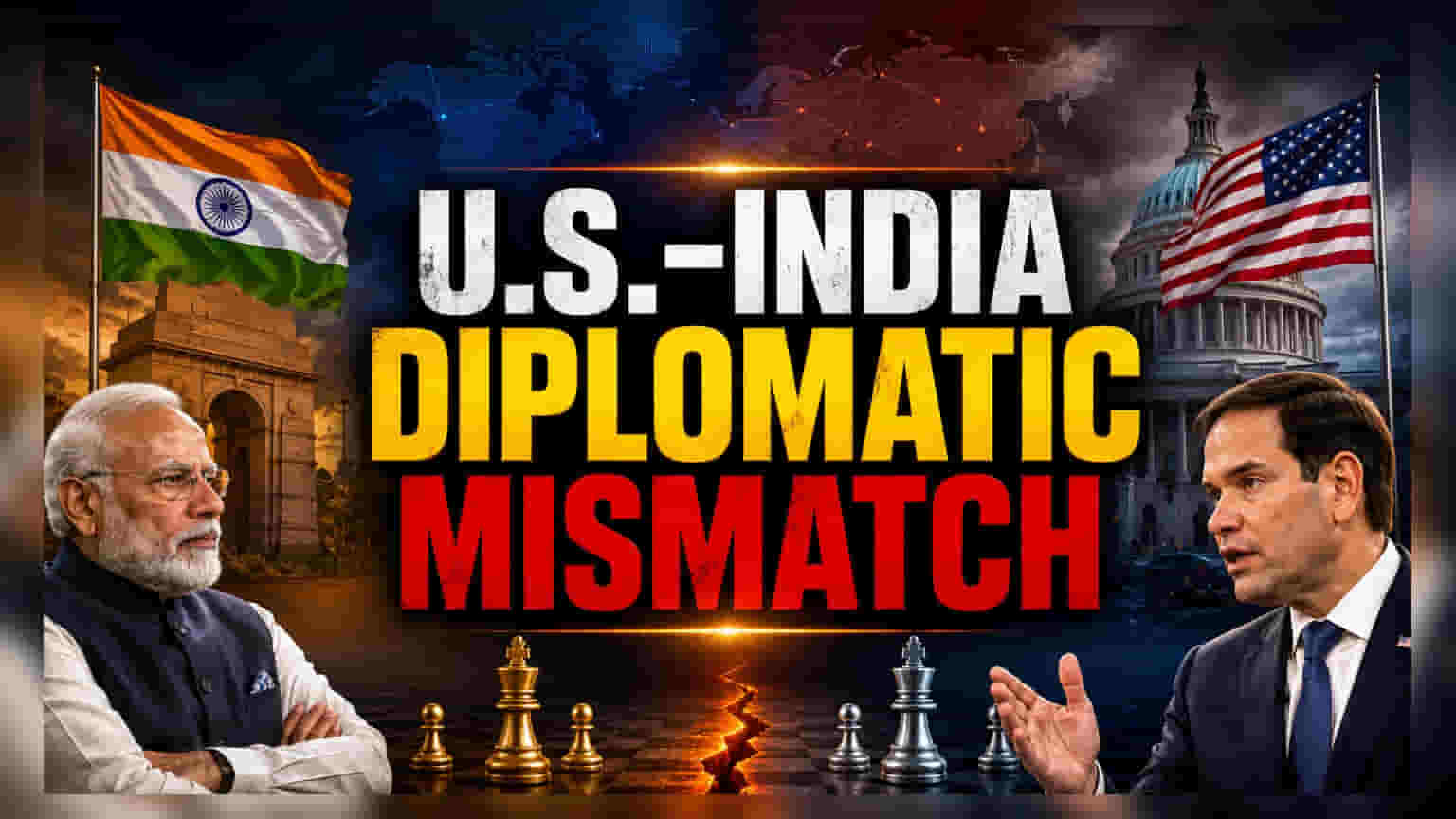


The Diplomatic Mismatch
The recent diplomatic mission by Secretary of State Marco Rubio to India served as a stress test for the bilateral relationship in an era of American protectionism. While the objective was to reframe trade and migration friction as benign global policy rather than directed antagonism, the substance of the visit encountered significant headwinds. New Delhi remains acutely focused on the tangible impact of U.S. tariffs and the administration’s rhetoric, which frequently prioritizes domestic nationalist sentiment over traditional alliance maintenance.
Strategic vs. Tactical Realities
A core tension emerged from Washington’s continued reliance on Pakistan as a regional intermediary, particularly regarding communication channels with Iran. Rubio’s attempt to categorize the U.S.-India relationship as strategic while labeling the U.S.-Pakistan dynamic as merely tactical failed to assuage Indian concerns. This distinction is viewed by Indian policymakers not as a sophisticated balancing act, but as an inconsistent strategy that potentially undermines long-term regional security. By leveraging General Asim Munir to navigate the Iran file, the U.S. inadvertently signals a transactional flexibility that contrasts sharply with the high-level partnership rhetoric offered to Prime Minister Modi.
The Cultural and Institutional Gap
The visit’s symbolic choices underscored a lack of alignment on domestic sensitivities. The itinerary’s emphasis on the Victoria Memorial—a site inextricable from the colonial legacy—and the focus on the Missionaries of Charity were read by local analysts as signals directed at the Trump administration’s domestic conservative base rather than a genuine effort to connect with India’s modern geopolitical trajectory. These choices, coupled with ongoing, pointed commentary from the Commission on International Religious Freedom, suggest that the U.S. remains willing to use human rights and religious discourse as leverage points, a strategy New Delhi consistently views as external overreach.
The Forensic Bear Case
The fundamental risk to this bilateral relationship lies in the personal and populist nature of the current U.S. foreign policy apparatus. The role of Ambassador Sergio Gor, who has characterized his mandate through the lens of proximity to the Oval Office rather than institutional expertise, introduces a high level of volatility. When diplomacy is conducted through presidential phone calls featuring hyperbolic promises—such as the assertion that India will receive anything it requests—it risks trivializing serious negotiations. This approach creates a fragile foundation where substantive policy agreements are subordinated to the whims of executive sentiment, leaving India exposed should the political winds in Washington shift again.