

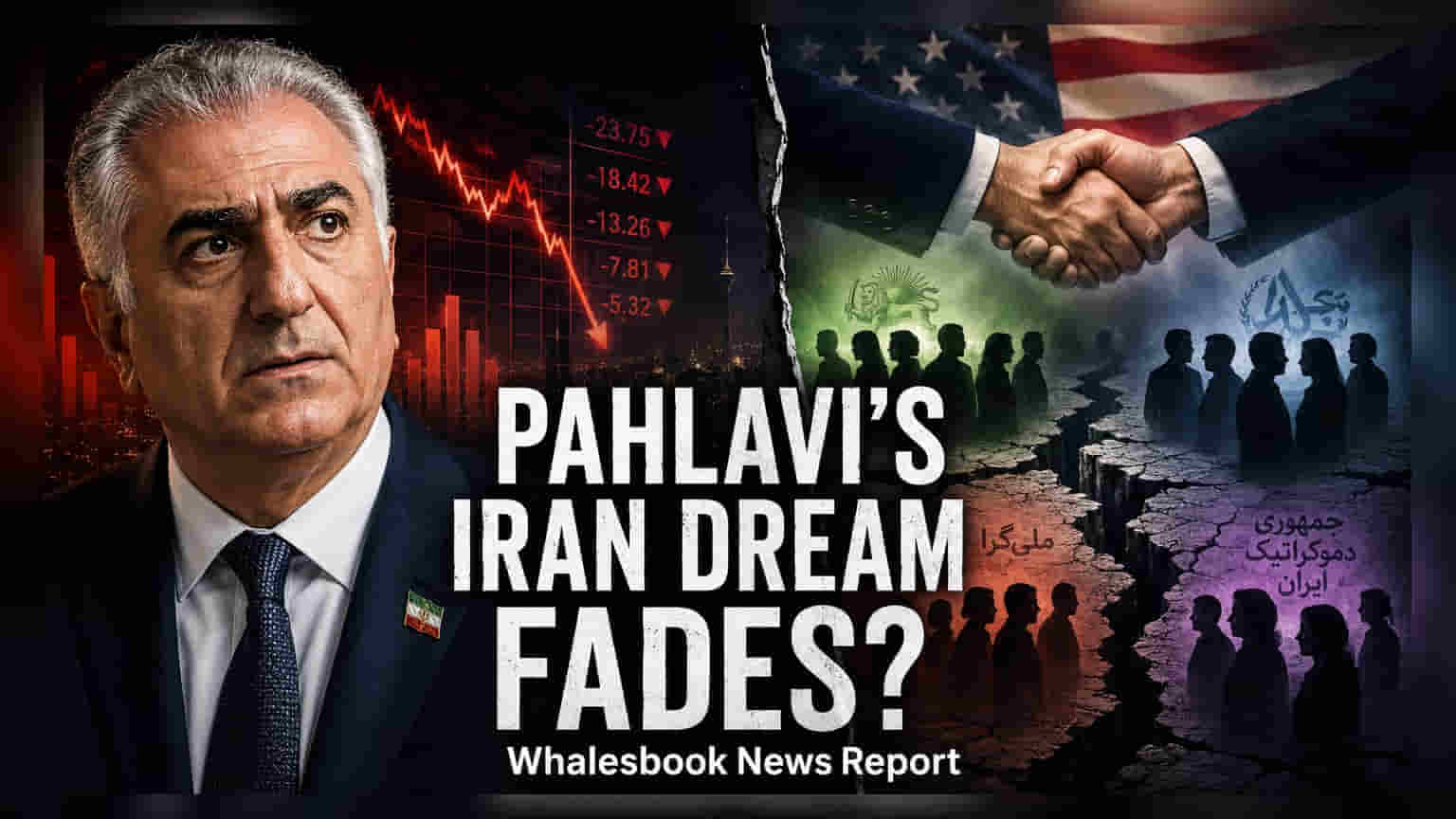
Reza Pahlavi’s campaign to lead a transition in Iran faces setbacks as US political support wavers and opposition groups remain divided. Despite raising over $3 million in donations, his ambition to serve as a transitional leader has struggled to gain traction. Investors and observers note that the lack of unity among diverse opposition factions and questions regarding his domestic standing remain significant hurdles for his movement.
Reza Pahlavi, the son of Iran’s last shah, has faced a challenging period in his long-standing effort to position himself as a central figure for a potential transition in Iran. After nearly five decades in exile, Pahlavi recently ramped up his public campaigning, aiming to leverage regional tensions to advocate for a change in his home country. While he managed to secure more than $3 million in funding from various supporters, recent political shifts have complicated his path.
Shifting Political Winds and Donor Concerns
Initial momentum for Pahlavi’s campaign was marked by appearances at high-profile events, including the Conservative Political Action Conference. However, the political environment has since become less certain. Remarks from former President Donald Trump questioning Pahlavi's domestic popularity, combined with clarifications from Vice President JD Vance that the US is not actively working to install him as a leader, have dampened expectations. This change in tone from major US political figures has led to caution among some of his financial contributors. While donors like Uber CEO Dara Khosrowshahi have supported him, the broader base of financial backing appears to be recalibrating based on the evolving diplomatic realities.
The Challenge of Opposition Consolidation
Beyond external support, Pahlavi’s primary domestic challenge remains the deep fragmentation within Iran's opposition. The movement is composed of varied groups, including republicans, monarchists, and secular activists, who often disagree on the future structure of the nation. Attempts to unify these disparate factions have historically struggled, and critics argue that Pahlavi has not been able to bridge these ideological gaps effectively. There have also been concerns regarding some of his supporters' aggressive tactics and rhetoric, which have created friction within the broader movement. Pahlavi has consistently denied these claims, emphasizing his dedication to non-violence and the formation of a broad, democratic coalition.
Moving Forward
While the Pahlavi name still maintains a degree of recognition among older generations who view his family's era as a time of stability, his long absence from Iran continues to be a point of debate. Critics argue that this distance creates a disconnect with the current generation, whereas his supporters believe he remains a viable figure for national stability. For now, the prospect of his leadership in a post-regime transition remains speculative. Observers will likely track whether Pahlavi can foster genuine unity among opposition groups or if the lack of a cohesive strategy will continue to hinder his political influence.