

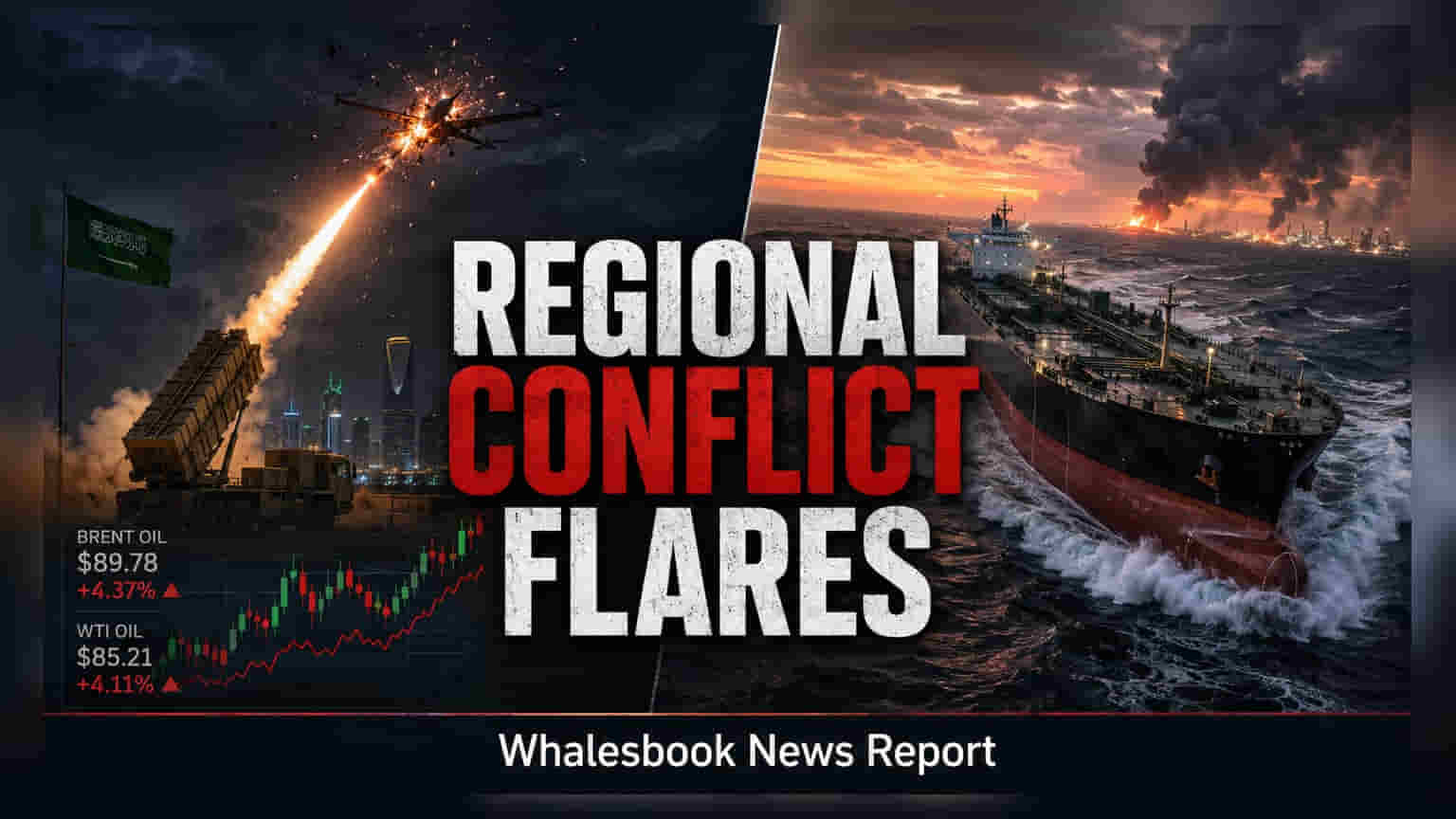
Houthi rebels have reportedly targeted a Saudi Arabian oil tanker, leading to route changes in the Red Sea. These events follow drone interceptions near Saudi petroleum facilities, heightening concerns over potential disruptions to global oil supply chains and shipping routes in the Bab el-Mandeb strait.
Tensions in the Middle East have intensified following reports of multiple security incidents affecting Saudi Arabian infrastructure and maritime operations. On Tuesday, Saudi air defenses intercepted several drones reportedly launched from Iraqi territory, which were aimed at petroleum facilities in the kingdom's eastern region. This marks the second consecutive day of such activity, as confirmed by the Saudi Ministry of Defence.
While the Saudi authorities have attributed these attacks to Iran-affiliated groups, the Islamic Resistance in Iraq has denied involvement, adding to the uncertainty surrounding the source of the drones. Iraqi Prime Minister Ali al-Zaidi has ordered an investigation into the matter, as the Iraqi military faces pressure to maintain control over its borders to prevent further cross-border incidents.
In a simultaneous development, Houthi rebels in Yemen claimed to have attacked the Saudi oil tanker NCC Ghazal. According to reports, the vessel was forced to alter its course following the incident. The United Kingdom Maritime Trade Operations Centre confirmed reports of explosions near a tanker in the southern Red Sea, although the crew and the ship remained safe.
These maritime incidents are particularly significant for energy markets, as they highlight the vulnerability of the Bab el-Mandeb strait. This narrow waterway is a critical passage for global oil shipments. Any sustained blockade or repeated attacks on tankers in this region could lead to increased shipping costs, insurance premiums, and potential delays in the movement of petroleum products to global markets.
These developments occur against a backdrop of fragile regional stability. Although there has been a lull in direct confrontations between the United States and Iran, underlying tensions remain a point of concern for global trade. Investors typically monitor such events for their potential to influence global oil prices, as the region accounts for a significant portion of the world's crude oil supply.
Moving forward, the primary monitorables for the market include the security status of the Red Sea shipping lanes, official statements from the involved governments, and any further actions by maritime authorities to ensure the safety of tankers. Further, any sustained rise in crude oil prices resulting from these security risks could have wider implications for energy-importing economies.