

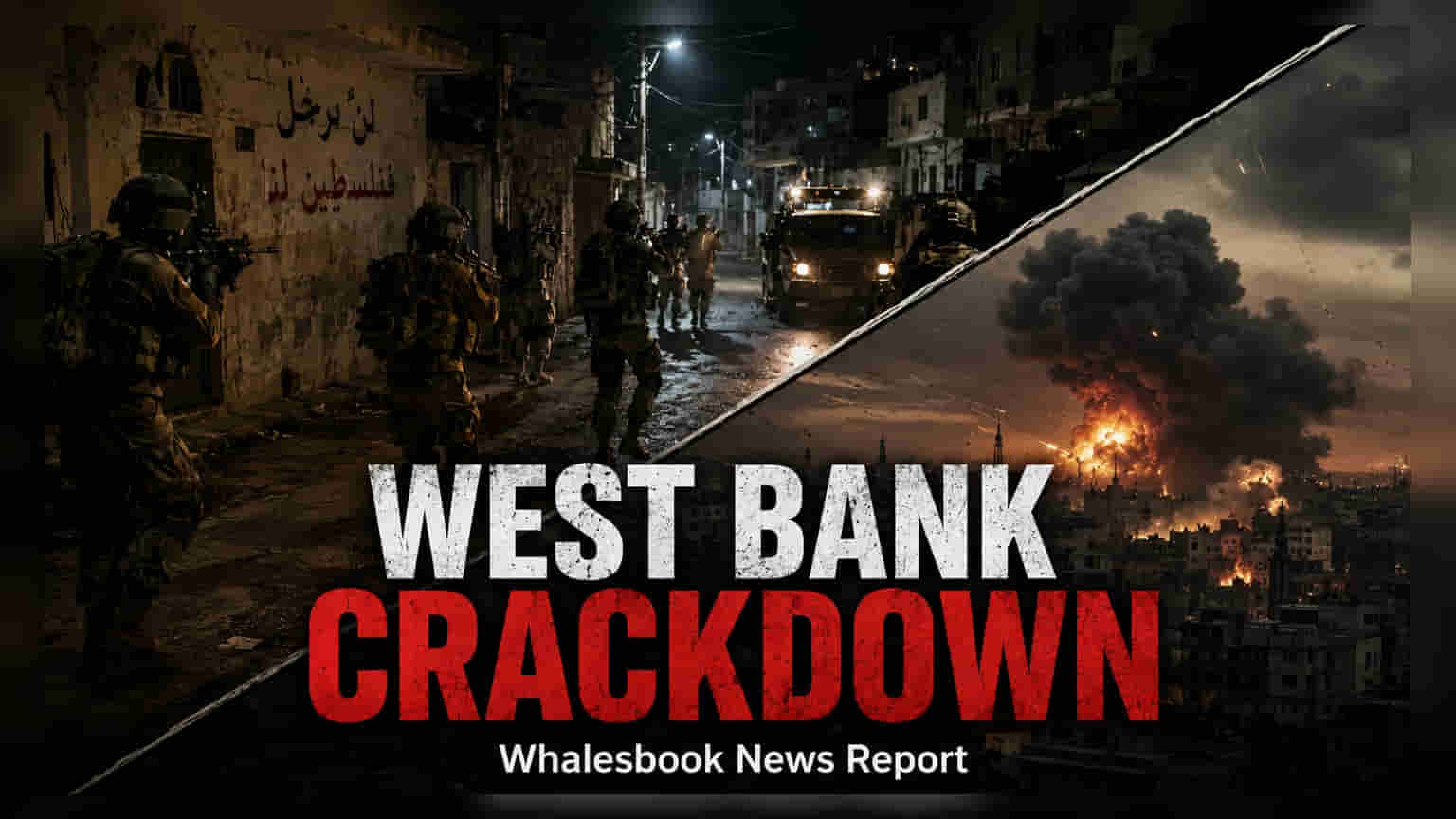
Israeli forces detained over 70 individuals in the West Bank following deadly clashes in Tell that left two soldiers and four Palestinians dead. Ongoing military activity in the region and continued airstrikes in Gaza have raised concerns about the stability of existing ceasefire agreements.
Detailed Coverage
Security tensions in the Middle East intensified this weekend following a series of violent incidents in the West Bank and Gaza. Overnight operations conducted by the Israeli military in the West Bank resulted in the detention of more than 70 people, an action officials described as a response to recent clashes in the village of Tell. During those confrontations, two Israeli soldiers and four Palestinians were killed.
Military Operations and Hospital Access
The Israeli military reported that its forces conducted searches across more than 300 locations throughout the West Bank. According to official military statements, those detained include individuals suspected of arms trafficking and affiliation with militant groups. Concurrently, reports emerged from Nablus, where local officials stated that armed personnel entered the Nablus Speciality Hospital. The facility's director, Ghassan Barkat, reported that medical departments were searched and an injured patient was taken into custody, raising concerns regarding the security of civilian medical infrastructure in the region.
Impact on Regional Stability
While diplomatic efforts to maintain a ceasefire in Gaza have been ongoing, military activity persists. Airstrikes were reported across several areas in Gaza on Saturday, including Khan Younis, Jabaliya, and Gaza City. These strikes resulted in multiple casualties, including a local police official. The Israeli military maintains that its operations are defensive measures directed against militant threats. However, the continued exchange of fire and the expansion of security operations into sensitive areas like hospitals underscore the fragility of the current security environment.
Investor Context and Market Monitoring
For investors and global market watchers, sustained or escalating regional conflict in the Middle East historically introduces volatility in energy prices and supply chain logistics. Disruptions in this region often lead to increased caution in global equity markets, particularly regarding oil and gas, as the area is a critical corridor for energy production and transit. The market impact generally manifests through fluctuations in crude oil prices, which can influence inflation expectations and central bank policies in import-dependent economies like India. Investors often monitor these developments for potential shifts in risk sentiment, which can affect emerging market currencies and overall investor appetite for risk-oriented assets. The next phase for observers involves tracking whether diplomatic channels can successfully de-escalate the situation or if military actions lead to a wider regional impact.