

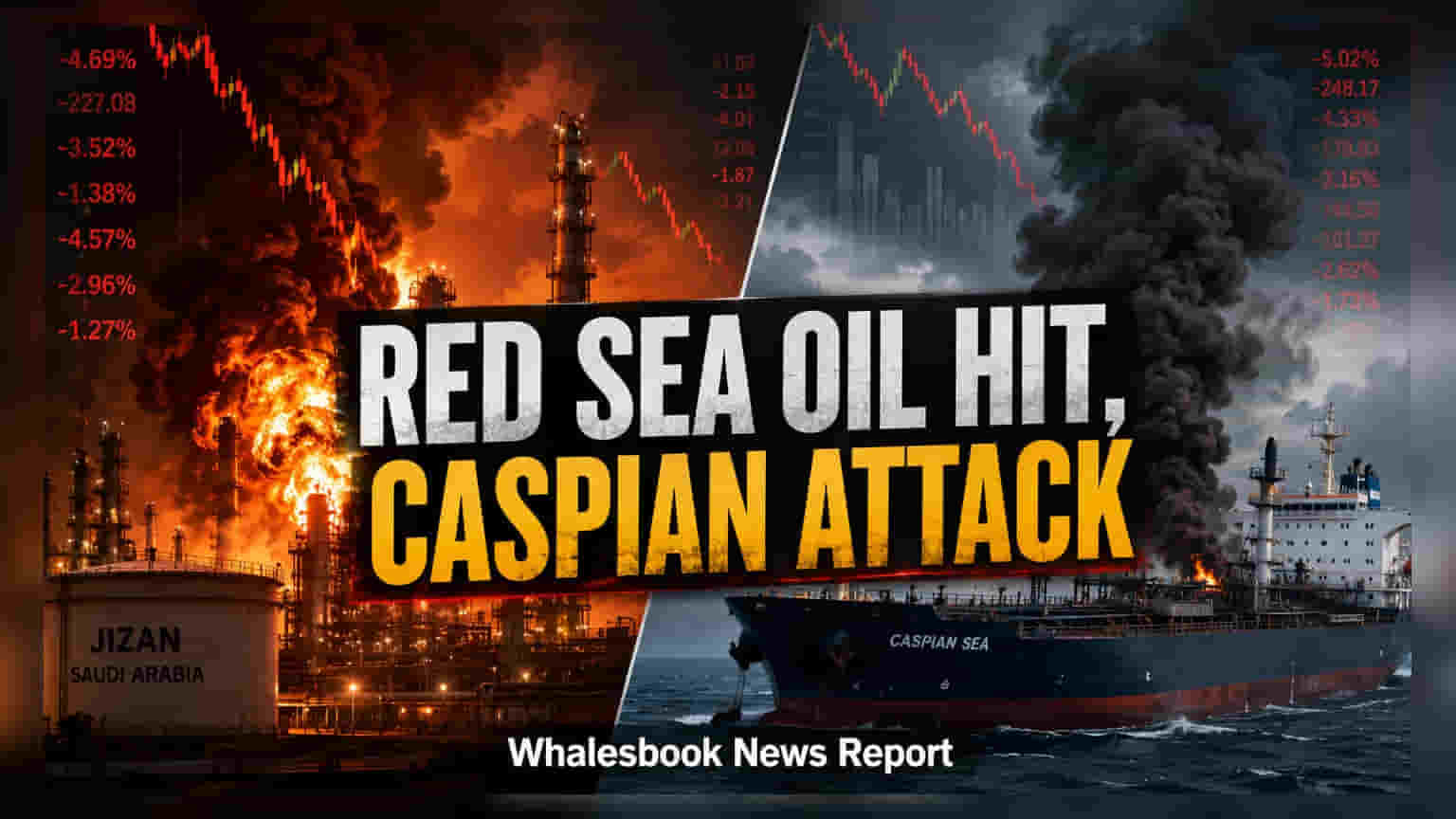
Houthi rebels launched attacks on Saudi Arabian oil facilities in Jizan and Yanbu, raising concerns about potential disruptions to global energy supplies. The escalation comes as regional tensions expand, with reports of a separate incident involving an Iranian vessel in the Caspian Sea.
Detailed Coverage
Tensions in the Middle East intensified over the weekend following attacks on critical energy infrastructure in Saudi Arabia. Yemen-based Houthi rebels targeted oil installations in Jizan and Yanbu, key locations along the Red Sea coast. Reports verified by security sources indicate that while a ballistic missile attack on the Yanbu port was intercepted by defense systems, other strikes near the Aramco refinery in Jizan resulted in visible damage to storage infrastructure. These incidents underscore the heightened risk to energy logistics, as Yanbu serves as a vital alternative route for Saudi oil exports that bypasses the Strait of Hormuz.
Impact on Energy Logistics
The choice of targets highlights a strategic effort to pressure global energy supply chains. Because these facilities are central to Saudi Arabia’s export capacity, any sustained disruption could lead to increased volatility in global crude oil prices. For market participants, the primary concern lies in the potential for higher shipping insurance premiums and supply delays. The Yanbu port is particularly important, as it provides a buffer against transit bottlenecks in more restricted maritime chokepoints. Continued instability in this region may force energy companies to recalibrate their supply routes, potentially increasing operational costs.
Escalating Regional Tensions
Beyond the Red Sea, the regional conflict appears to be widening to the Caspian Sea. The Iranian Foreign Ministry has officially accused Ukraine of attacking an Iranian commercial vessel, an incident that resulted in casualties among the crew. While Ukrainian officials have alluded to long-range capabilities, the formal diplomatic protest lodged by Tehran signifies a cooling of relations and a further broadening of the conflict zone. The summoning of the Ukrainian charge d'affaires in Tehran suggests that diplomatic channels are becoming strained, leaving little room for de-escalation in the near term.
Strategic Uncertainty
While the United States has maintained its naval presence, the pause in direct U.S. air strikes has introduced uncertainty regarding the next phase of the conflict. Official statements suggest a focus on diplomatic avenues, though concerns regarding military resource depletion and the stability of global markets remain prominent. For investors, the immediate focus will remain on the frequency of these attacks and whether the Saudi-backed government's recent retaliatory strikes against Houthi launch sites lead to a prolonged period of regional instability. Market observers will track future reports from Saudi Aramco and global oil pricing benchmarks to gauge the extent of any physical impact on production and export volumes.