

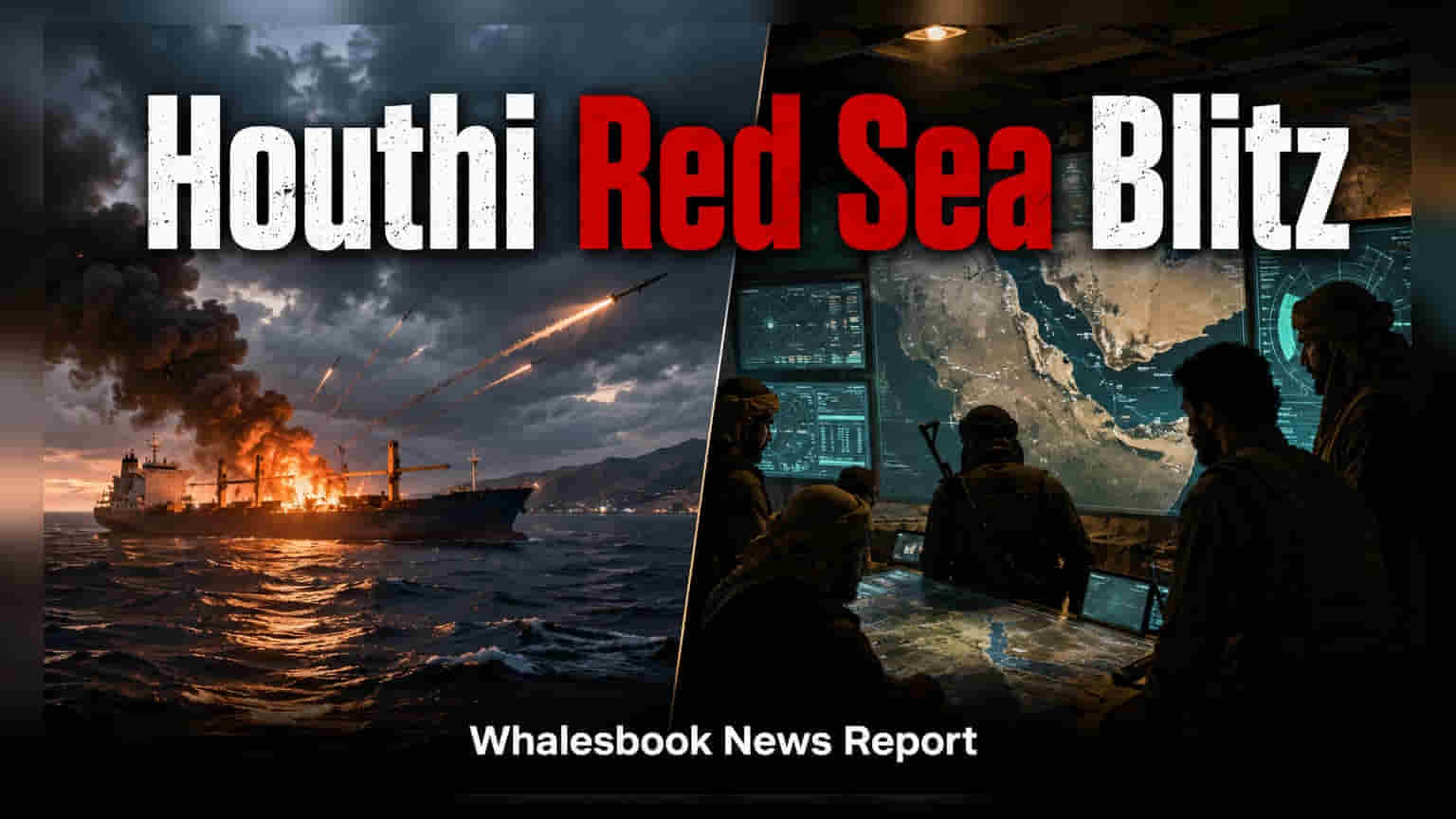
Houthi rebel attacks in the Red Sea and Bab al-Mandeb Strait have killed six people, raising fresh concerns over maritime security. The escalating violence threatens to disrupt vital trade routes, potentially impacting Indian shipping costs, insurance premiums, and supply chains for exporters and importers using this gateway.
Security concerns in the Red Sea have intensified following recent military operations claimed by Houthi rebels near the Bab al-Mandeb Strait. On August 11, 2026, a commercial cargo vessel named Tihamah was hit by ballistic missiles in a 'double-tap' attack—where a second strike followed rescue efforts—resulting in the deaths of six crew members and rescue workers. This incident, combined with fresh Houthi claims of targeting military sites in Yemen’s Marib and Mocha regions on August 13, has prompted international concern regarding the safety of merchant vessels operating in this critical waterway.
For investors and businesses, the primary issue is the potential for severe disruption to global maritime trade. The Red Sea is a major artery for Indian exports to Europe and North Africa, as well as for energy and commodity imports. The primary risk arising from this volatility is an increase in freight and insurance costs. When security threats rise, shipping companies often face higher 'war risk' insurance premiums and may opt for longer routes to avoid the danger zones, which adds to travel time and fuel expenses. These added costs can eventually impact the profit margins of companies heavily reliant on maritime logistics.
While initial reports linked these attacks to a Saudi-owned vessel, subsequent data indicates the Tihamah is Tanzania-flagged with ownership interests in Egypt and Yemen, highlighting the indiscriminate nature of the recent threats to commercial shipping. The Yemeni government’s Presidential Leadership Council has vowed to respond to these actions, adding another layer of uncertainty to the regional situation. The United Nations Security Council is scheduled to discuss the situation, which will be a key event for those monitoring the stability of this maritime corridor.
Investors may monitor the trends in global shipping freight indices and cargo insurance rates. Further, companies in the shipping, oil, and export-import sectors may see short-term volatility if security issues lead to shipment delays or increased operational expenses. The ongoing developments regarding the security of the Bab al-Mandeb Strait remain a critical factor for international supply chains, and market participants will likely look for updates on any protective measures or alternative route requirements that could affect the cost of doing business.