

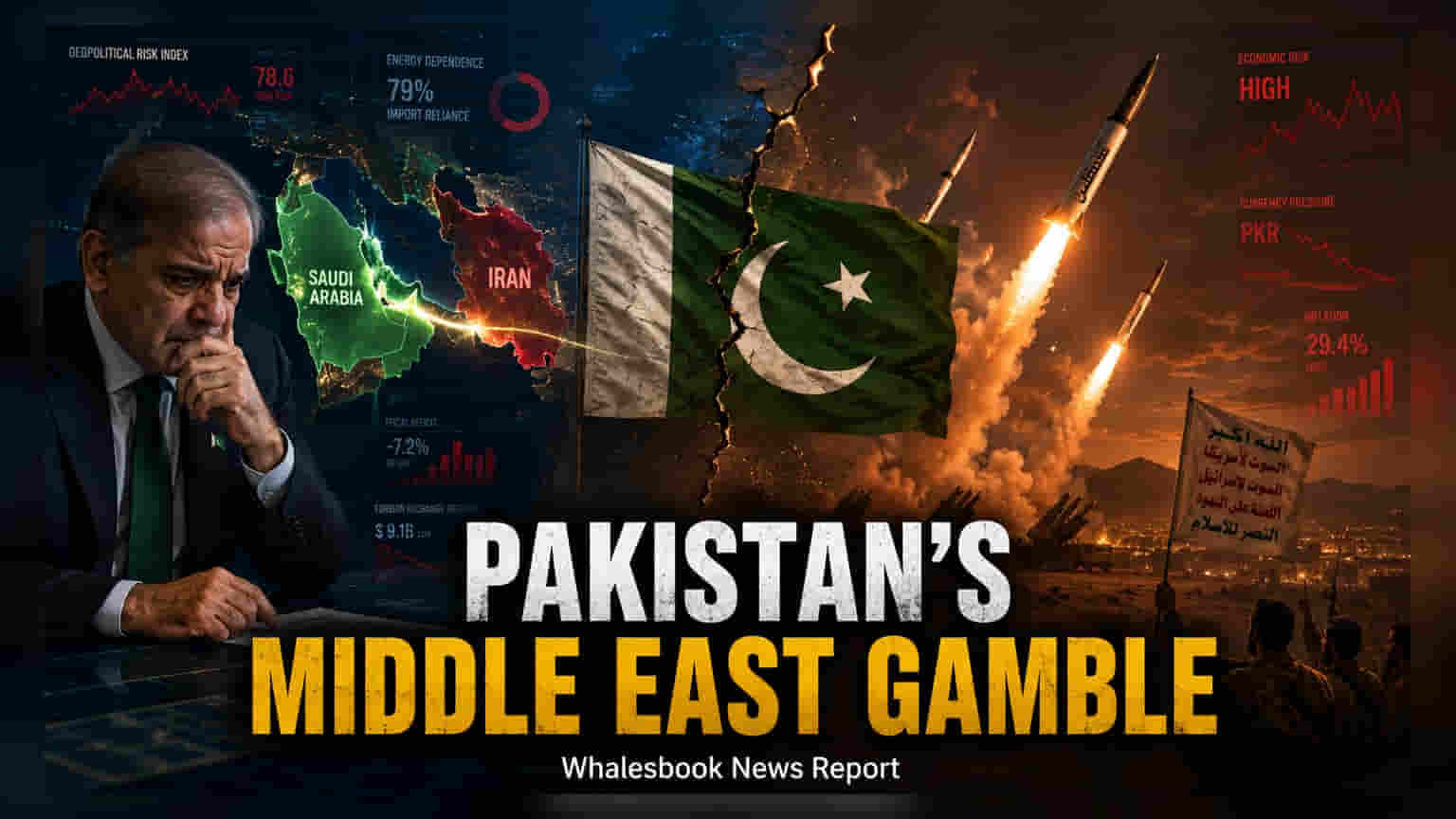
Pakistan faces a difficult diplomatic balancing act as escalating Houthi missile strikes on Saudi Arabia pressure its military and regional partnerships. The potential for conflict threatens key trade routes and fuel import stability, posing risks to Pakistan's already fragile economy.
Pakistan is navigating a complex geopolitical challenge as renewed Houthi missile attacks on Saudi Arabia threaten to pull the country into a regional conflict. Islamabad, which has sought to act as a diplomatic bridge between the United States and Iran, now finds its neutral stance complicated by a firm defense agreement with Riyadh. This pact, signed last year, designates Saudi Arabia as a primary military ally, with thousands of Pakistani personnel currently stationed within the kingdom.
Security Commitments Versus Diplomatic Mediation
The situation has created a sharp tension between Pakistan's diplomatic objectives and its military obligations. While Islamabad continues to facilitate discussions to ease US-Iran tensions, senior civil and military leadership have clearly defined attacks on Saudi Arabia as a red line. This position implies that any sustained threat to the kingdom could compel Pakistan to honor its defense commitment, potentially undermining its role as a regional mediator. The recent Houthi strikes, which follow the breakdown of a long-standing truce, have intensified concerns among Pakistani officials regarding the safety of their troops positioned near the Yemeni border.
Economic Risks of Regional Instability
Beyond the immediate military implications, the conflict poses a significant threat to Pakistan’s economic stability. The nation remains heavily dependent on energy imports that transit through the Red Sea and the Strait of Hormuz. Any disruption to these vital maritime trade routes could lead to increased fuel costs and supply shortages. Pakistan’s economy is already under strain, and further volatility in global oil markets could exacerbate inflationary pressures and widen the trade deficit. With emergency measures already in place to manage domestic fuel supplies, policymakers are concerned that a broader escalation could overwhelm existing fiscal buffers.
The Path Ahead for Islamabad
Despite the escalating risk, Pakistan is maintaining its diplomatic efforts. An Iranian delegation recently visited Islamabad to discuss regional security, signaling that the government intends to pursue dialogue as long as possible. However, the internal political dynamics within Iran and the hardening stances of regional actors have narrowed Pakistan's room for maneuvering. Investors and analysts will be monitoring whether these diplomatic channels can prevent further military escalation or if Pakistan will be forced to transition from its role as an intermediary to an active participant in the regional defense framework. The primary focus for stakeholders remains the security of energy transit routes and the potential for increased defense spending should the conflict deepen.