

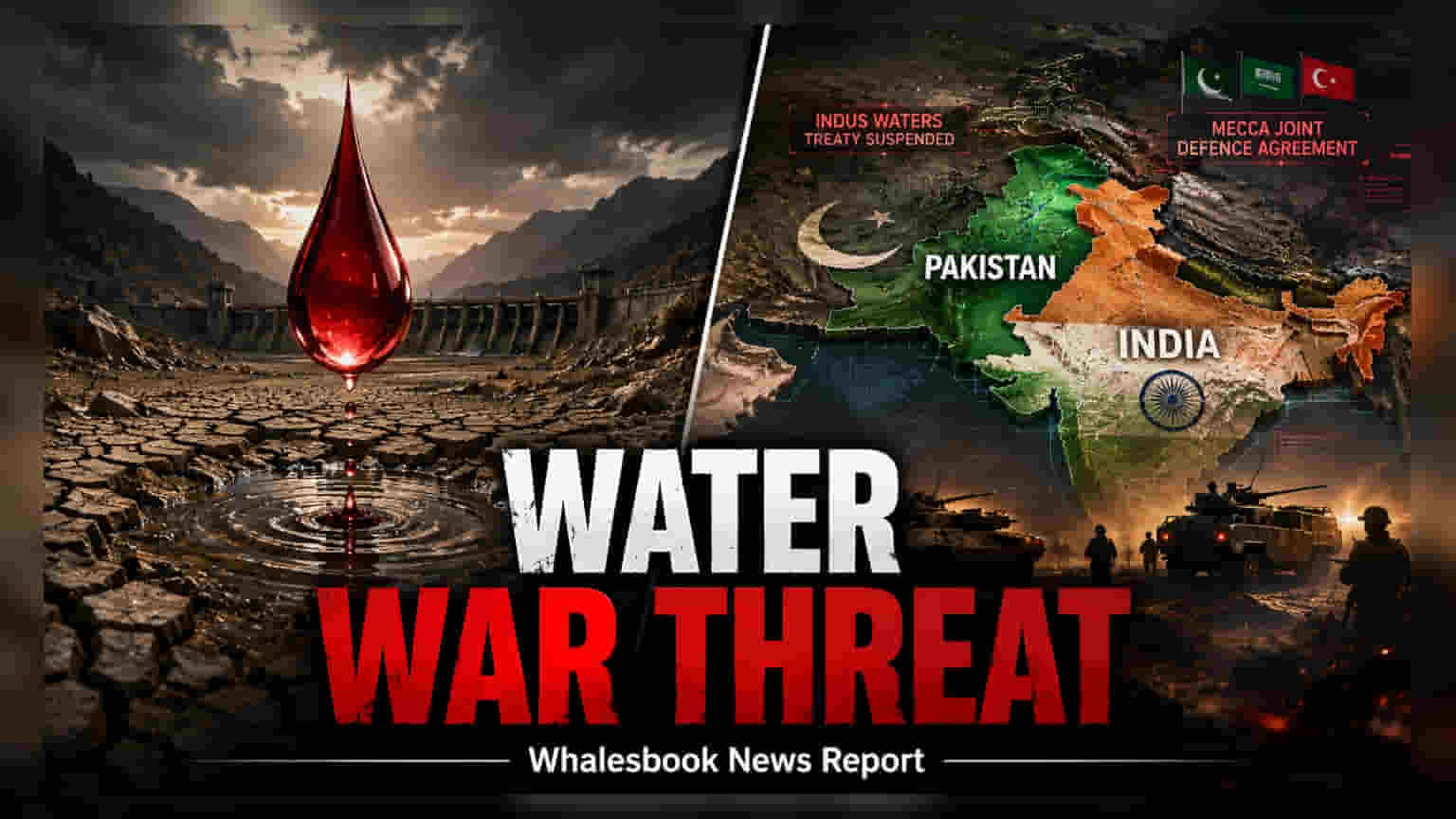
Pakistan Prime Minister Shehbaz Sharif issued a sharp warning on August 14, 2026, declaring the nation's water reserves a 'red line' amid the ongoing suspension of the Indus Waters Treaty. This rhetoric follows the formalization of a new trilateral defense pact, intensifying geopolitical risk factors that investors often monitor for potential impacts on regional security and economic stability.
Prime Minister Shehbaz Sharif used Pakistan's Independence Day platform on August 14, 2026, to deliver a sharp warning regarding water resources. He declared that "every single drop" of the country's water constitutes a "red line," signaling a deepening diplomatic impasse between Islamabad and New Delhi. This statement follows the prolonged suspension of the Indus Waters Treaty, which has remained in abeyance since April 2025, when India moved to halt the agreement following a terror attack in Pahalgam.
The rhetoric comes against the backdrop of heightened regional geopolitical developments. On August 7, 2026, Pakistan, Saudi Arabia, and Turkey formally signed the "Mecca Joint Defence Agreement." This trilateral framework includes a collective defense clause, stipulating that an attack on one signatory is considered an attack on all members. This new alliance adds a complex layer to regional dynamics, as the agreement fundamentally changes the defense architecture involving countries across South Asia and the Middle East.
For the investment community, such geopolitical developments are generally evaluated through the lens of risk assessment and regional stability. While markets often factor in long-standing tensions, shifts in alliances or escalations in official rhetoric typically result in increased scrutiny of the defense and aerospace sectors in India. Investors and analysts frequently track these changes to gauge potential adjustments in national defense spending, border security policies, and the overall foreign investment climate.
Furthermore, the economic impact of the suspended water treaty remains a point of focus. The lack of a functioning, bilateral water-sharing mechanism creates uncertainty for agricultural and economic planning in the region. As with previous periods of heightened tension, market participants are expected to monitor diplomatic communications and any official updates regarding the status of the Indus Waters Treaty or the implementation of the new defense pact. These variables directly influence the risk premium that financial institutions and institutional investors may assign to the region, making them key monitorables for those keeping a close eye on the broader macroeconomic environment.