

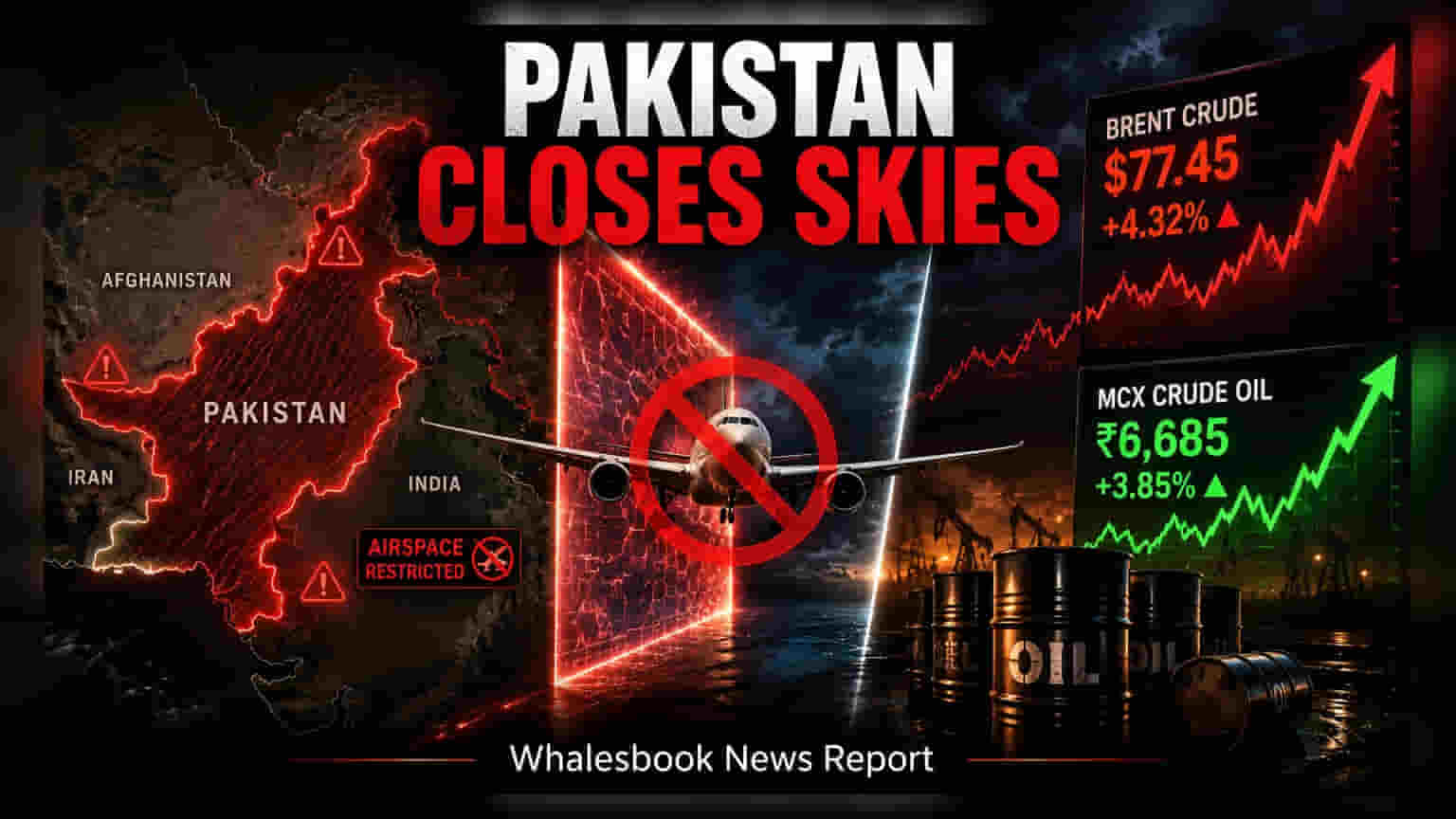
Pakistan has extended its airspace restrictions for Indian aircraft until August 24 amid regional security tensions. Additionally, the country will now revise fuel prices daily to manage volatility caused by the West Asia conflict. These measures highlight the impact of geopolitical instability on regional transport and commodity pricing.
Pakistan’s aviation authorities have officially extended the closure of their airspace to Indian aircraft, with the restriction now set to remain in place until August 24. This directive continues to impact flight paths that typically traverse Pakistani territory, forcing airlines to adjust routes, which often results in longer flight times and increased fuel consumption for carriers operating these sectors.
The timing of this extension coincides with broader regional security developments. While the specific reasons for the extension were linked to security concerns, the decision occurs during a period of heightened geopolitical activity in West Asia. These regional tensions have introduced significant unpredictability into global crude oil markets, creating a ripple effect on the domestic economies of neighboring countries.
Impact of Daily Fuel Price Revisions
To address the volatility in international oil prices stemming from the conflict in West Asia, Pakistan has introduced a policy of daily petroleum price revisions. By moving away from longer-term pricing cycles to a daily model, the government is attempting to pass on market fluctuations to consumers more rapidly. For investors in the aviation and logistics sectors, this shift is a critical indicator of how supply chain costs are becoming increasingly difficult to predict. The ability of companies to manage these rapidly changing fuel costs will be a key factor in their operational efficiency and profit margins in the coming months.
Regional Security and Cooperation
Beyond aviation and energy policy, officials from Shanghai Cooperation Organisation (SCO) member states, including representatives from India and Pakistan, have recently held discussions regarding security along shared borders. These exchanges are intended to foster regional stability through information sharing. While these diplomatic efforts are aimed at long-term cooperation, the ongoing airspace restrictions highlight the contrast between security-focused diplomatic dialogue and the practical realities of regional travel and logistics. Investors should continue to monitor updates regarding flight path reopenings, as any shift in these restrictions or further changes to regional energy policies could have direct implications for transportation costs and operational planning for companies with significant cross-border exposure.