 Whalesbook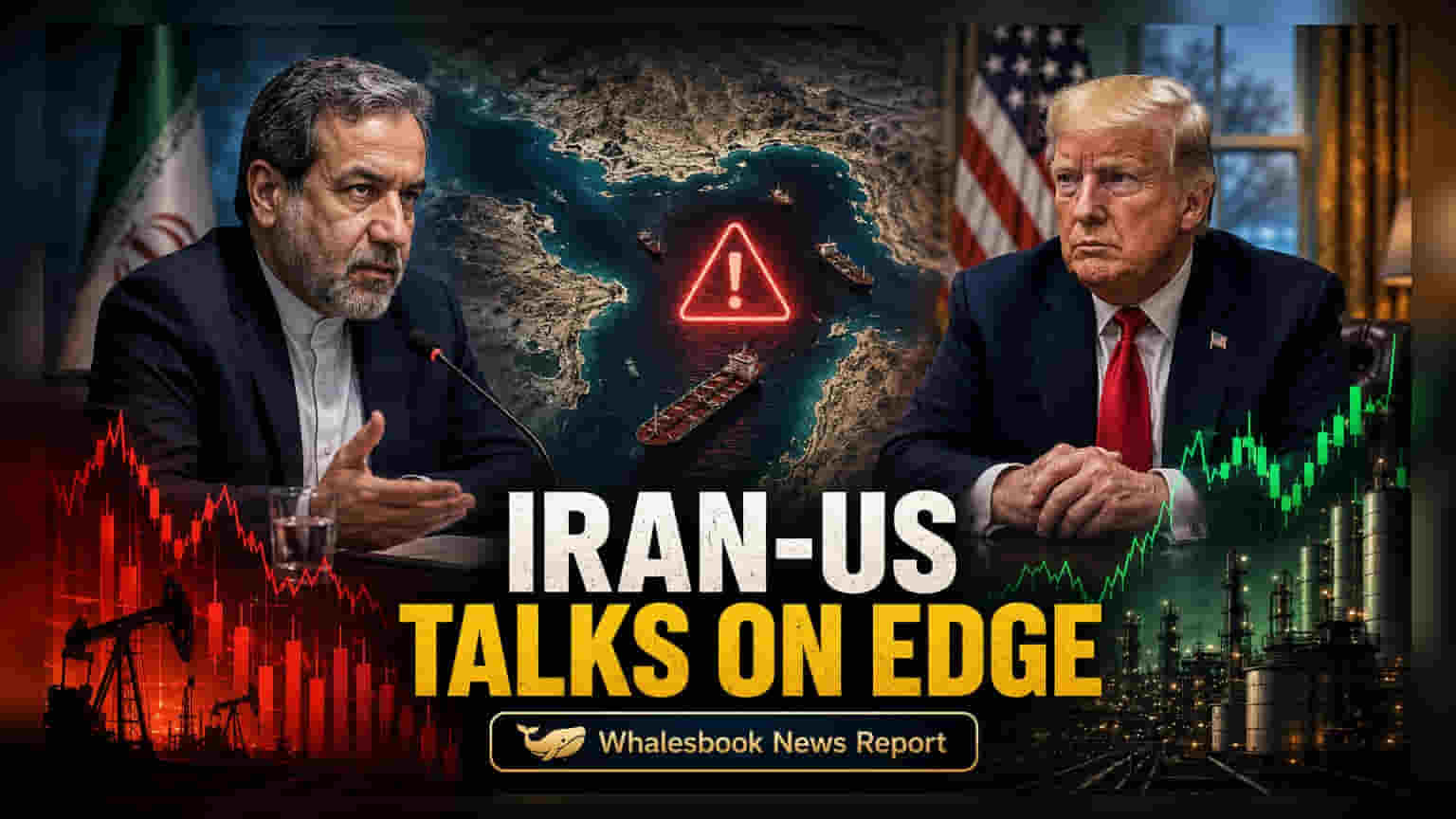


Pakistan's Crucial Mediation
Pakistan's Army Chief, Asim Munir, has engaged in significant talks with Iranian Foreign Minister Abbas Araghchi in Tehran, aiming to ease tensions. However, Iran's Foreign Ministry has cautioned against expecting breakthroughs, stating that "deep and significant" disagreements persist, highlighting the challenge of bridging the gap between the two nations. The visit occurred as reports suggest the U.S. administration was considering military actions if talks failed, increasing the urgency for mediation.
Volatile Negotiations Climate
U.S. President Donald Trump has described the current negotiations as precariously balanced, with the outcome potentially leading to either an agreement or a return to conflict. This delicate situation has fueled speculation and intensified diplomatic activity. The fragility of the talks is amplified by Iran's assertion that U.S. demands are pushing the peace process toward a breaking point.
Broader Diplomatic Push and Economic Fallout
Foreign Minister Araghchi is also engaging with counterparts from Turkey, Iraq, Qatar, and Oman, in addition to communicating with the UN Secretary-General. This broad diplomatic outreach signals a comprehensive strategy to preserve the peace process. The ongoing regional conflict, which began with U.S.-Israeli strikes in late February, has severely impacted the global economy, primarily due to the continued closure of the Strait of Hormuz. Despite a ceasefire in early April followed by talks, the Strait remains largely blocked, exacerbating an escalating oil supply crisis.
Core Risks in the Relationship
The central challenge in the U.S.-Iran relationship lies in the persistent and substantial disagreements, most notably Iran's view of U.S. demands as "excessive." This indicates a fundamental difference in objectives, making a stable resolution difficult. The possibility of renewed military conflict, as suggested by President Trump's "borderline" assessment, remains a considerable threat that could further destabilize global energy markets. The ongoing closure of the Strait of Hormuz, a vital route for global oil transport, clearly illustrates the economic consequences of the unresolved regional conflict, affecting supply chains and energy prices worldwide. The lack of a lasting agreement despite weeks of negotiation and a prior ceasefire points to significant structural hurdles in achieving lasting peace.