 Whalesbook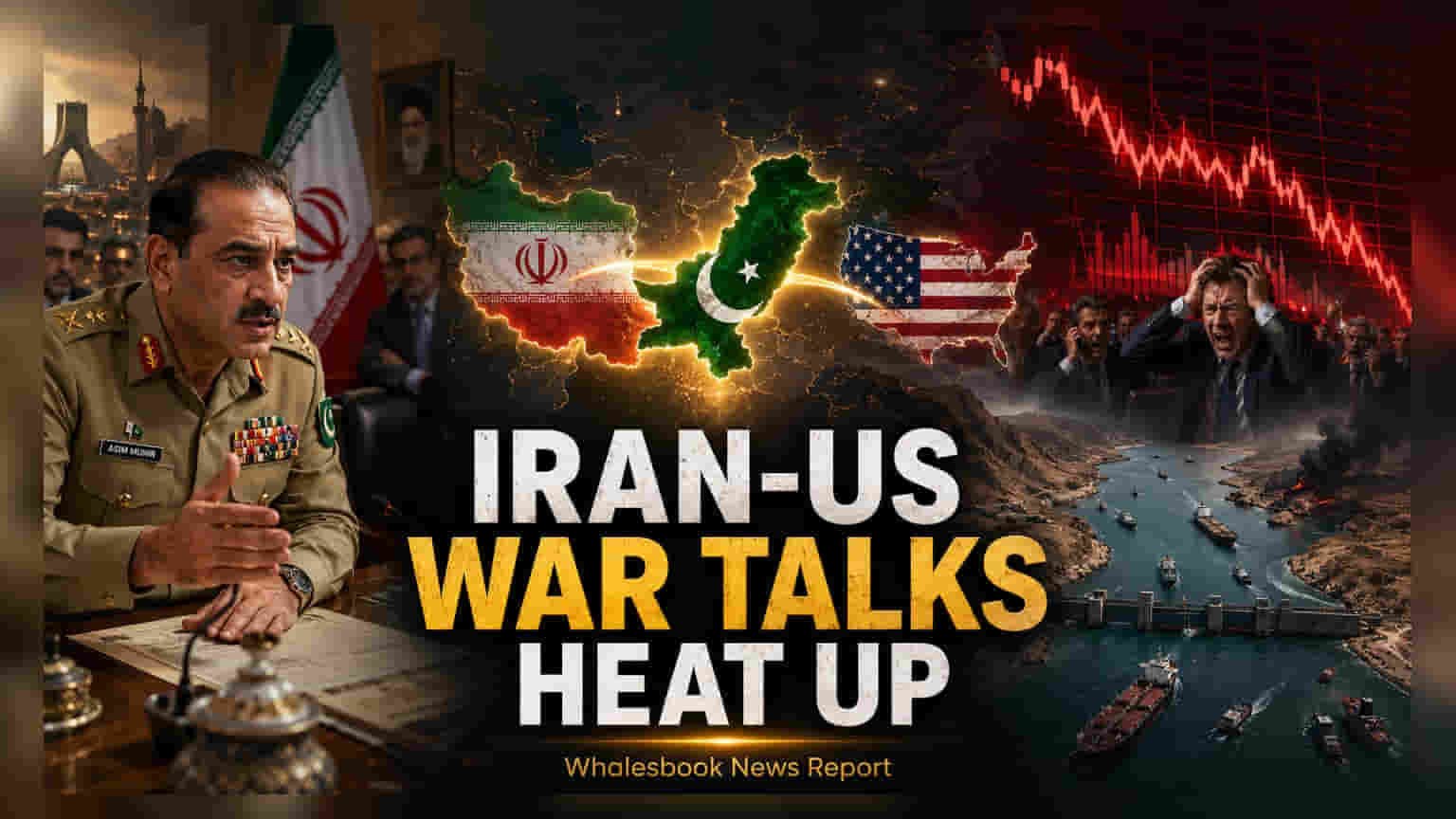


Pakistan's Army Chief Asim Munir's diplomatic push highlights a critical moment in US-Iran relations, focusing on de-escalation as European sanctions approach.
Geopolitical Negotiation Pivot
Field Marshal Asim Munir's visit to Tehran underscores Pakistan's ongoing role as a mediator in the US-Iran conflict. This is his second trip to the Iranian capital for mediation, following previous Pakistani-brokered ceasefires. The primary goal is to end hostilities, a objective confirmed by Iran's Foreign Ministry spokesperson, Esmaeil Baghaei, who called the mediation a "turning point" despite "deep and significant" differences between Tehran and Washington. Discussions are intentionally excluding nuclear issues to focus on immediate de-escalation.
Strained Diplomacy and Sanction Threats
U.S. President Donald Trump has suggested Iran is open to a deal and stressed preventing nuclear proliferation, though his administration reports only "slight progress." Concurrently, the European Union is preparing sanctions against Iranian officials and entities for actions in the Strait of Hormuz, citing violations of international law. These EU actions could complicate the current mediation. The EU also maintains existing sanctions on Iran related to support for Russia and human rights abuses, which could be expanded.
Fragile Mediation Amid Geopolitical Pressures
The mediation's success is challenged by inconsistent U.S. policy and significant geopolitical pressures. Iran's actions in the Strait of Hormuz have major economic implications for global energy markets and are directly leading to punitive measures from blocs like the EU. This situation of negotiation alongside potential sanctions creates a volatile environment. The acknowledged "deep gaps" between the US and Iran suggest a resolution is distant and depends on broader geopolitical shifts, not just bilateral talks. Focusing on de-escalation without resolving fundamental strategic issues, particularly nuclear matters, leaves room for future instability.
Future Outlook
Field Marshal Munir's mediation efforts face the challenge of bridging the significant divide between the US and Iran, a task made harder by the approaching EU sanctions. The outcome of these talks remains uncertain, with a definitive resolution not guaranteed in the near future.