

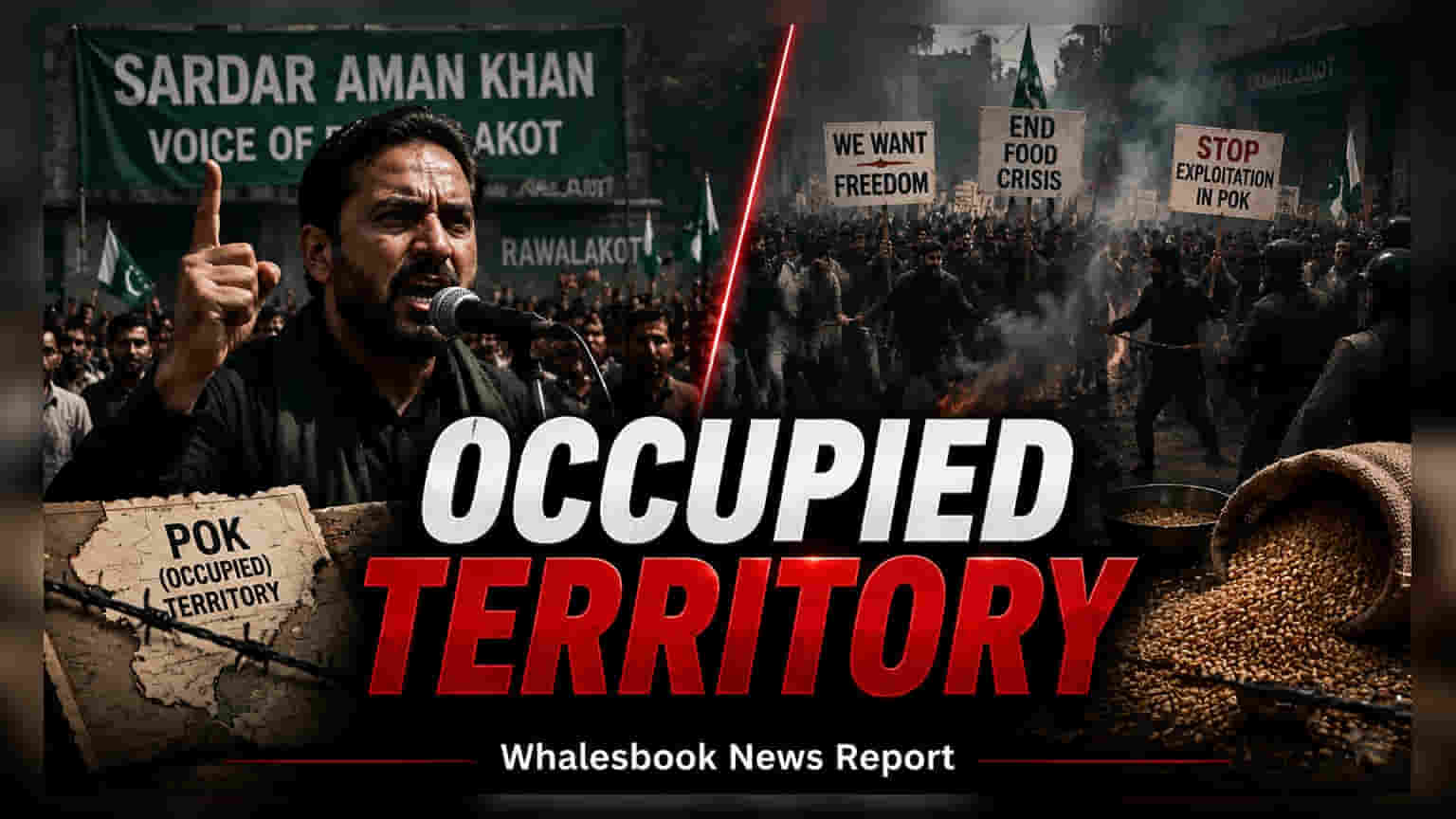
Protest leaders in Pakistan-occupied Kashmir have rejected Islamabad’s official narrative, labeling the region as occupied territory. This 40-day movement is driven by severe shortages of food, fuel, and electricity, signaling heightened political and economic instability near the Line of Control.
A significant escalation in the 40-day protest movement within Pakistan-occupied Kashmir (POK) has emerged, with local leaders directly challenging Islamabad’s official stance on the region. Sardar Aman Khan, a prominent figure in the ongoing agitation, publicly declared the region as occupied territory during a large assembly in Rawalakot, rejecting the long-standing official Pakistani designation of the area as 'Azad Kashmir.'
Economic Hardships and Supply Disruptions
The protests, which have now spanned more than five weeks, are fundamentally rooted in severe economic grievances. Demonstrators have consistently highlighted the impact of restrictions placed by Pakistani authorities on the supply of essential goods, including food grains, flour, and daily necessities. The regional leadership alleges that these supply blockades are a deliberate effort by authorities to suppress political dissent by creating artificial shortages and deepening a humanitarian crisis.
Beyond immediate supply issues, the movement has unified around a 38-point charter of demands. These include concerns over rising electricity costs, unemployment, a lack of local governance, and long-standing allegations of political discrimination. The protesters contend that the current economic pressure is unsustainable and have warned of exploring alternative political paths if their demands remain unaddressed.
Strategic Implications and Regional Stability
The rhetoric coming from the Rawalakot gathering has moved beyond localized complaints, incorporating strong political rebukes against Islamabad. Suggestions from protest leaders regarding potential marches toward the Line of Control have heightened concerns about regional security and the possibility of further escalation. By framing the region's status in direct opposition to Pakistan’s official narrative, the movement has transformed into a pointed challenge to the central administration's control.
As the situation unfolds, investors and regional analysts are closely monitoring how Islamabad manages the growing unrest. The government has increasingly characterized these demonstrations as a security concern rather than a civil protest, a framing that suggests a higher likelihood of continued or increased force to maintain control. The key monitorable for the coming weeks will be whether the authorities opt to restore essential supply lines to de-escalate the situation or if the ongoing blockade leads to further social and political instability near the border.