

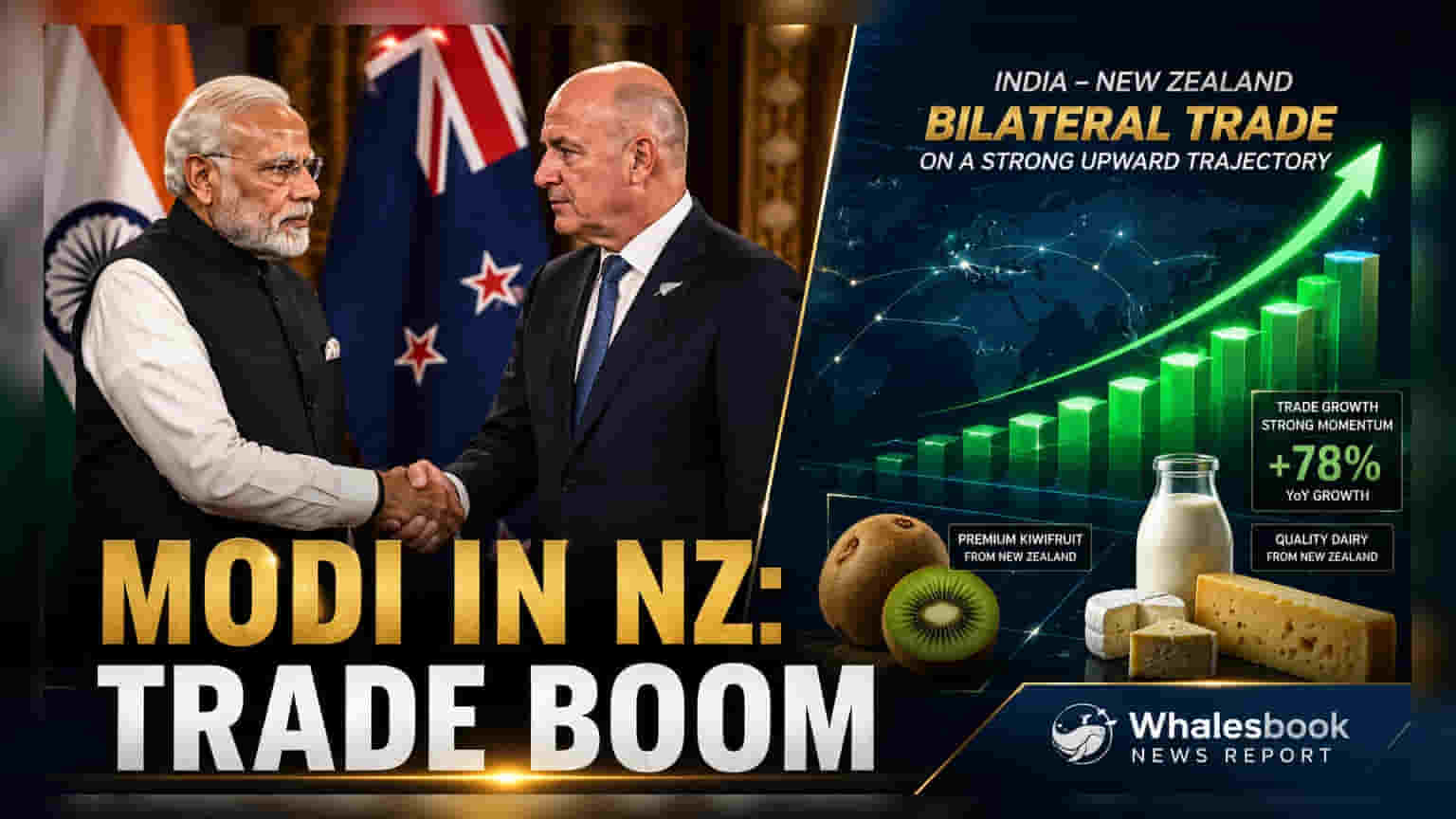
Prime Minister Narendra Modi will visit New Zealand on July 10-11, the first such trip in 40 years, following the April 2026 Free Trade Agreement. Investors are watching for business announcements that may impact companies involved in sectors like agriculture, dairy, and digital technology.
What Happened
Prime Minister Narendra Modi is scheduled to visit New Zealand on July 10 and 11, 2026. This trip marks a significant diplomatic milestone, as it is the first bilateral visit by an Indian Prime Minister to the country in four decades. New Zealand Prime Minister Christopher Luxon announced the visit, framing it as a move to deepen the strategic and economic partnership between the two nations. The visit follows the finalization of the India-New Zealand Free Trade Agreement (FTA) in April 2026, which aims to reduce trade barriers and increase economic cooperation.
The Economic Context of the Trade Pact
The April 2026 Free Trade Agreement is the foundation of current bilateral discussions. Under this pact, India agreed to phase out tariffs on roughly 95% of goods imported from New Zealand. For the New Zealand market, this opens significant opportunities for agricultural and food products, including kiwifruit, apples, meat, wine, and dairy alternatives. Conversely, Indian businesses in the services and technology sectors are looking for improved market access and easier regulatory frameworks for Indian professionals operating in New Zealand.
Impact on Trade and Investment
While the visit is primarily diplomatic, business communities in both nations are observing the event for potential follow-up announcements. The trade deal covers services, digital trade, and investment facilitation. Investors may track whether the leadership discussions lead to specific joint ventures or institutional support for companies operating in clean energy, education, and digital technology. These sectors are currently key areas of interest for Indo-Pacific regional cooperation.
Business Reality Check
For investors, the primary impact of this engagement is indirect. Companies with significant export-import exposure to New Zealand—particularly in the dairy, food processing, and textile sectors—may face changing competitive landscapes as tariffs are phased out. While the FTA aims to lower costs for consumers and businesses, it also introduces increased competition for domestic producers in India as New Zealand products gain easier access to the Indian market.
What Investors Should Track
The most important monitorable for investors will be any specific government statements regarding the implementation timeline of the FTA or new Memorandums of Understanding (MoUs) signed during the visit. Investors in Indian companies with high exposure to food and agriculture should keep an eye on import data and local pricing trends for products like kiwifruit, apples, and wine. Furthermore, any updates regarding digital trade protocols or service sector visas could serve as a potential tailwind for IT and professional services firms looking to expand their footprint in the Oceania region.