

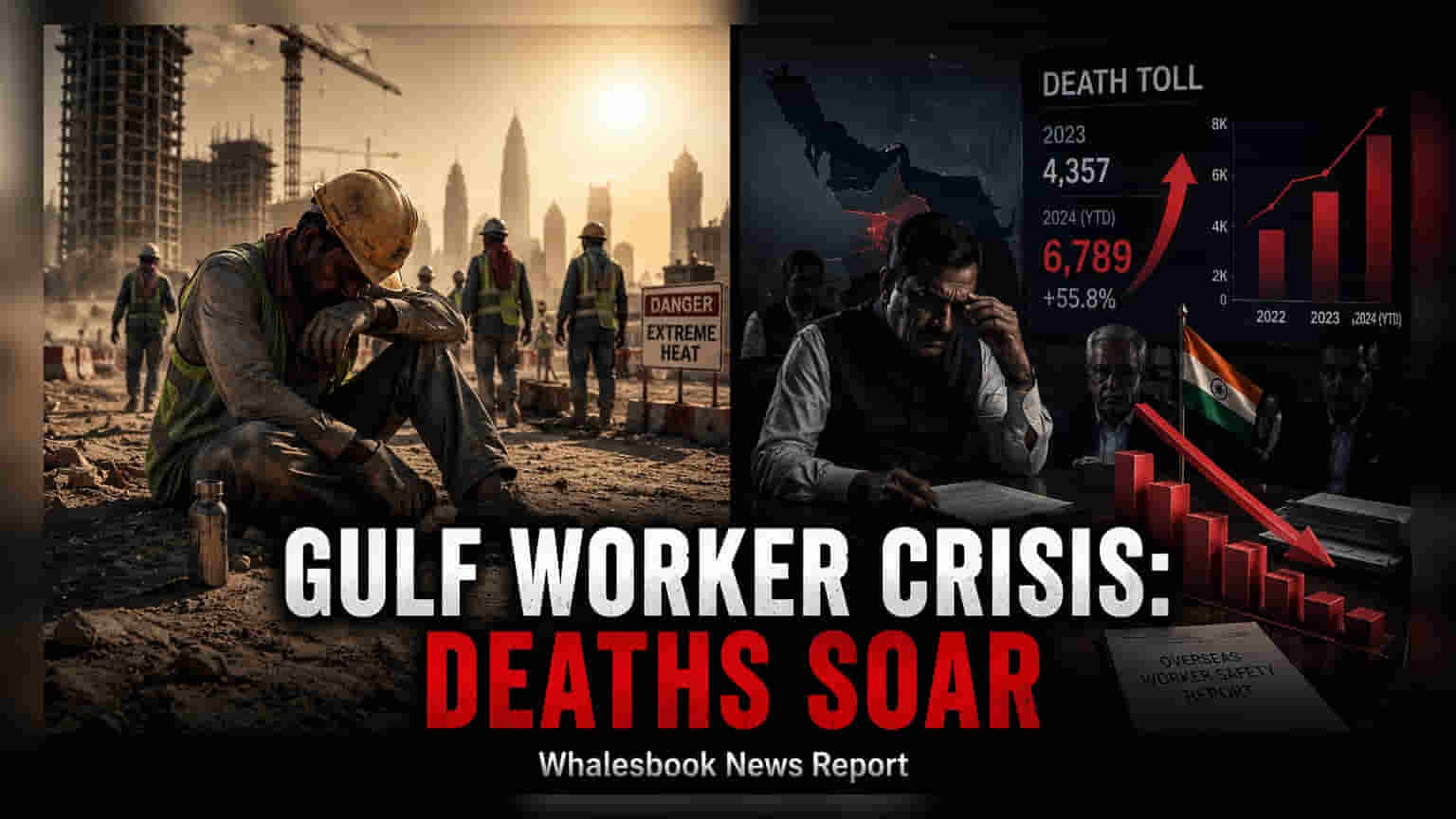
Ministry of External Affairs data reveals that workplace accidents in Gulf countries claimed an average of over three Indian lives per week between 2023 and 2025. This persistent safety crisis for the nine million-strong Indian diaspora poses long-term risks to worker welfare and labor stability in the region.
A recent disclosure by the Ministry of External Affairs to Parliament has highlighted a persistent and serious issue regarding the safety of Indian workers in Gulf nations. Between 2023 and 2025, workplace accidents resulted in an average of more than three fatalities per week among the Indian expatriate population. This data focuses on official reports of workplace-related deaths, though observers have often noted that the actual figures could be higher due to reporting gaps.
Systemic Safety Challenges for Expatriates
The Indian diaspora in the Gulf, numbering over nine million people, plays a vital role in the region's economy, particularly in sectors such as construction, energy, and infrastructure. However, the recurring nature of these fatalities suggests systemic problems in workplace safety enforcement. Reports from various labor advocacy groups and government data indicate that high-hazard industries often operate with insufficient safety protocols.
Cases like the tragic explosion at Qatar's Ras Laffan gas field, which resulted in the deaths of 12 Indian workers, underscore the physical dangers associated with these roles. Beyond physical hazards, the community also faces significant psychological stress, with foreign office data noting a high frequency of suicides among workers in the region, often linked to extreme living conditions and the pressure of working in harsh climates.
Regulatory and Economic Pressures
Beyond direct workplace accidents, the welfare of migrant workers is further threatened by long-standing practices such as passport retention by employers. This practice can restrict the mobility of workers and leave them vulnerable to exploitation. As the Gulf region faces potential economic shifts due to geopolitical volatility and fluctuations in shipping and energy markets, there is a legitimate concern that companies may look to cut costs. If businesses prioritize cost-saving measures, safety standards—which are already under scrutiny—could face further pressure.
For the Indian government, these statistics present an urgent need for stronger diplomatic and regulatory engagement. The protection of migrant workers is essential not only for humanitarian reasons but also for maintaining the stability of the labor-intensive partnerships that exist between New Delhi and various Gulf states.
The primary monitorable for the coming months will be whether India and its counterparts in the Gulf can establish more rigorous, long-term safety oversight mechanisms. Investors and stakeholders involved in companies with significant operations or project sites in the Middle East may track updates on labor policy, safety audits, and potential shifts in international hiring regulations, as these factors could influence operational continuity and human capital costs for firms operating in the region.