

Global oil prices climbed above $86 a barrel as military actions in the Middle East intensified for the seventh straight night. The conflict, which has effectively blocked shipping through the Strait of Hormuz since late February, is impacting regional energy and water infrastructure. Investors are monitoring these supply risks as transit volumes remain near multi-week lows.
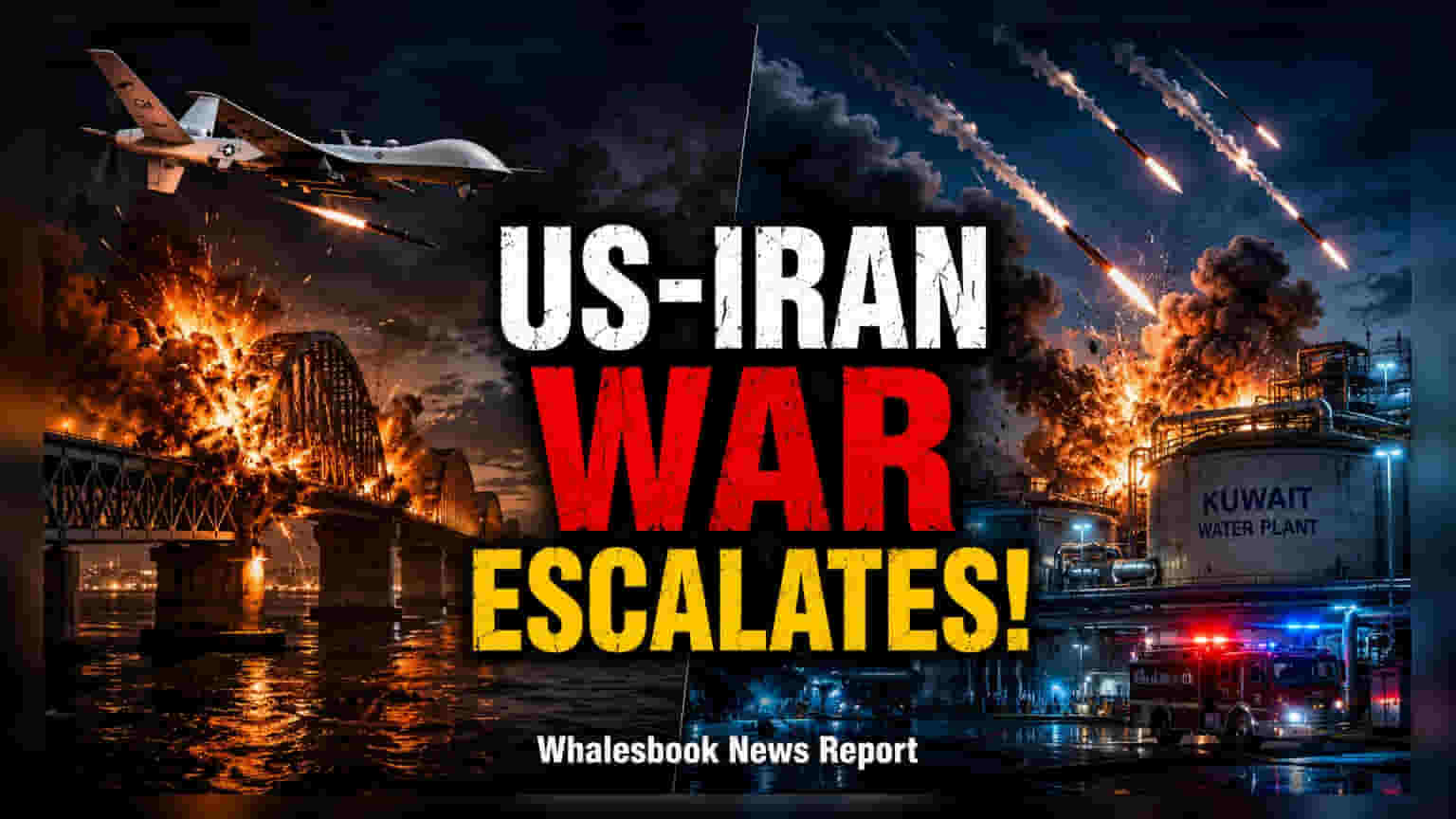
Global crude oil prices moved above $86 per barrel on Friday as heightened geopolitical tension between the United States and Iran continued to disrupt energy and logistics routes. The current situation marks the seventh consecutive night of US military operations targeting infrastructure in Iran, specifically focusing on transport links near the Bandar Abbas port region, which is a key hub for the country’s maritime and interior trade.
The conflict, which has been ongoing since late February, centers largely on the Strait of Hormuz. This narrow waterway is a critical passage for global oil shipments. Following the start of hostilities on February 28, Iranian authorities effectively closed the strait to regular shipping traffic. Market data indicates that transit volumes through this essential corridor have dropped to a three-week low, raising concerns about potential supply shortages and the stability of global energy markets.
Infrastructure Damage and Regional Impact
The scope of the conflict has expanded beyond the initial target areas, with reports indicating significant impact on infrastructure across allied nations. In Kuwait, a major power and water desalination plant sustained damage during recent missile activity, creating concerns over local utility supplies. Similar incidents were reported in Qatar, where missile interceptions occurred, and in northern Iraq, where operations targeted specific local groups. Jordan’s military also confirmed the interception of missiles over its territory, highlighting the broader regional reach of the ongoing instability.
Market Implications for Investors
For investors, the primary concern remains the continued closure of the Strait of Hormuz and its direct influence on oil prices. When shipping routes through this area are restricted, the resulting logistical bottlenecks often lead to increased uncertainty in global energy pricing. As of the latest update, the conflict shows no clear signs of a diplomatic resolution, and the persistent nature of these disruptions makes the supply chain outlook difficult to predict.
The next monitorable factors for the market include any updates on shipping transit volumes, official statements regarding the stability of regional energy infrastructure, and shifts in global oil price benchmarks. Investors are likely to track how prolonged supply constraints in the Middle East influence production costs and commodity-dependent sectors in the coming weeks.