

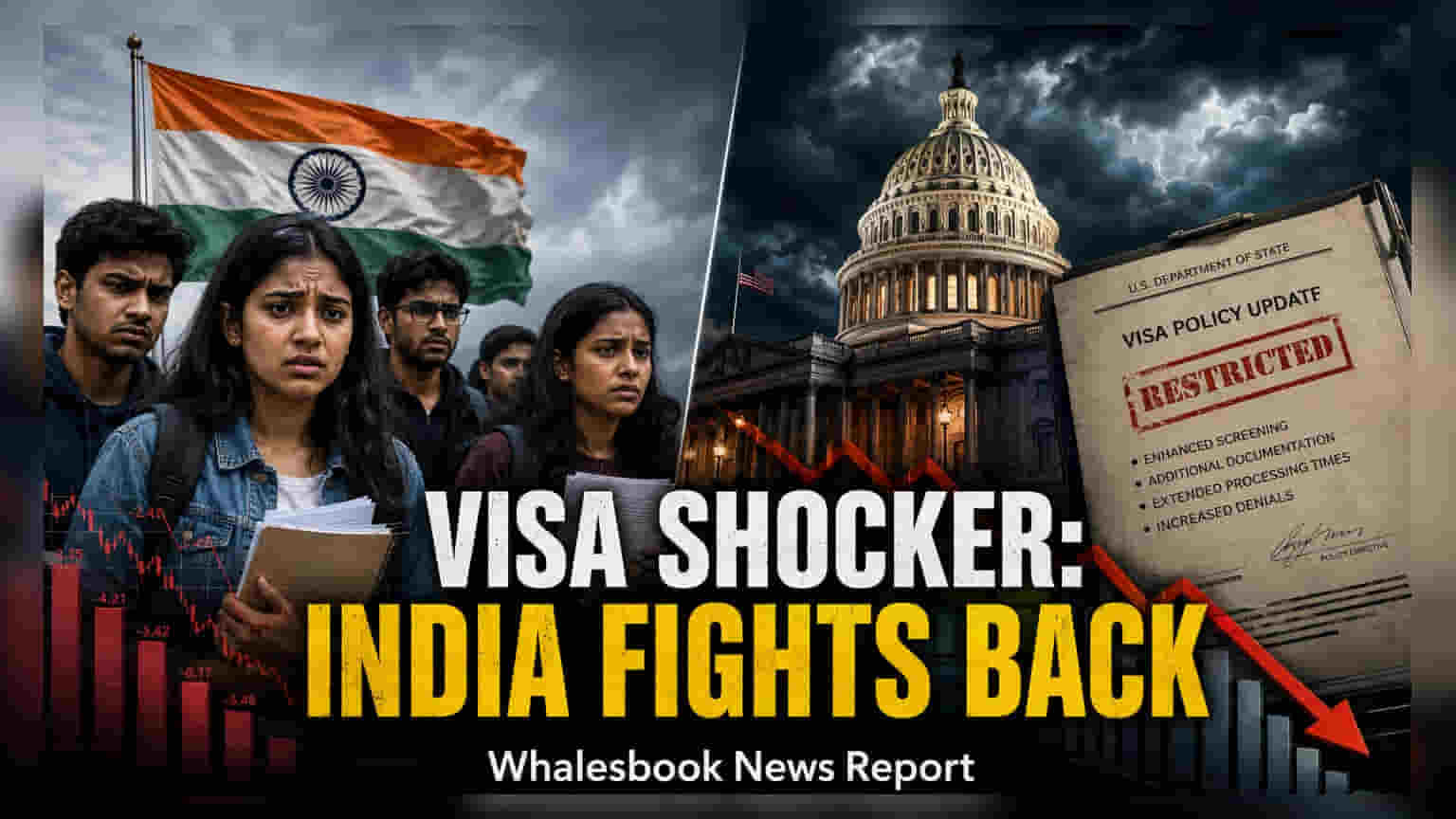
The US Department of Homeland Security has tightened visa rules for F, J, and I visa holders, reducing the post-program grace period from 60 days to 30 days. This policy shift affects Indian students and academic visitors, prompting the Indian government to engage with US authorities to address potential difficulties for travelers.
The United States Department of Homeland Security has introduced stricter regulations for non-immigrant visa holders, a move that directly impacts Indian students and exchange visitors currently in the US or planning to travel there. The updated framework replaces a previous policy that permitted certain visa holders to stay in the country for longer, less-defined periods. Under the new guidelines, there is now a strict, bounded timeframe for residency.
Impact on F, J, and I Visa Holders
The revised policy specifically targets F, J, and I visa classifications, which include students, academic exchange visitors, and media professionals. The most immediate change involves the grace period granted after the completion of a degree or program. Previously, F visa holders—the category used by most international students—had 60 days after graduation to either leave the country, transfer to another institution, or apply for a change in legal status. This window has now been officially reduced to 30 days.
This shift creates a tighter timeline for students to navigate administrative requirements, such as securing employment-based visas or enrolling in further academic programs. Failure to complete these transitions within the new 30-day window could potentially lead to loss of legal status, creating significant logistical pressure for those caught in the transition.
India's Diplomatic Engagement
External Affairs Ministry spokesperson Randhir Jaiswal addressed the policy update on Friday. While acknowledging that immigration and visa policies remain the sovereign right of any nation, Jaiswal confirmed that New Delhi is actively communicating with American officials. The Indian government’s objective is to highlight the practical difficulties these changes pose to genuine travelers and students. The ministry has committed to intervening in cases where Indian citizens face undue hardship to ensure their transition remains manageable.
Investor and Economic Context
The education and travel sectors often feel the indirect impact of such policy shifts. For Indian investors, the move is relevant as it reflects potential changes in the movement of talent between the two nations. Historically, the US has been the primary destination for Indian students seeking higher education in STEM and business fields. Increased regulatory friction can influence long-term trends in student migration, which in turn affects the business models of various ed-tech companies, study-abroad consultants, and international recruitment firms that cater to this segment.
Investors may monitor whether these tighter regulations lead to a shift in student preference toward other countries with more flexible post-study work or residency policies. The ultimate impact on the sector will depend on how quickly and effectively the Indian government’s diplomatic efforts can ease these new compliance burdens for students.