

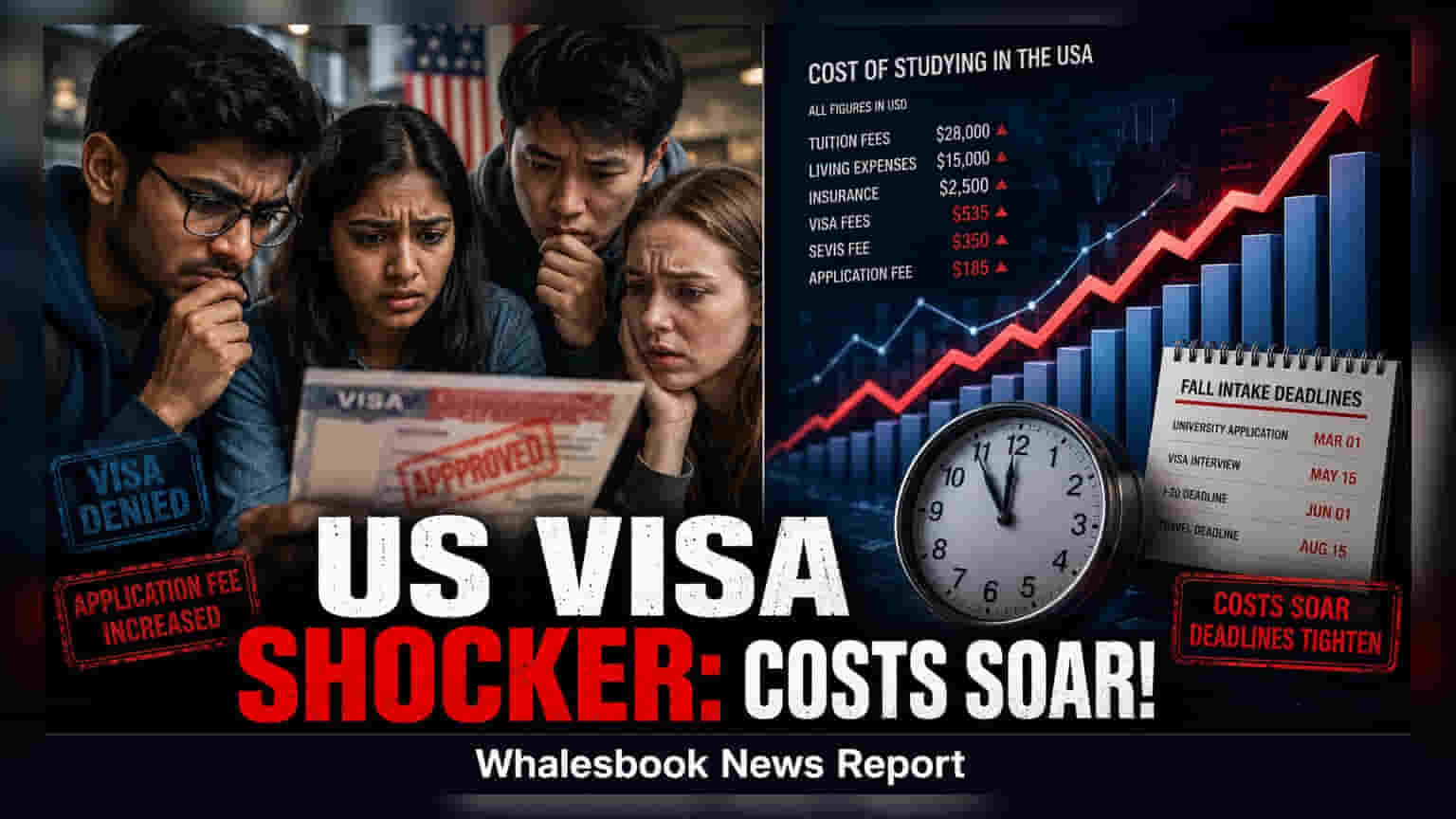
The US Department of Homeland Security has ended the 'duration of status' framework for student visas, replacing it with fixed stay periods. This change adds significant administrative costs and shortens grace periods, impacting Indian students planning for long-term careers in the US tech sector.
The United States Department of Homeland Security has introduced major changes to its student visa policy, moving away from the flexible 'duration of status' system. Previously, F, J, and I visa holders were allowed to remain in the US for the entire length of their academic programs. Under the new rules, international students are granted visas for a fixed, predetermined period.
Administrative Hurdles and Costs
This shift creates a more complex path for students who need to extend their stay. Extensions no longer rely on university-level administrative processes via the SEVIS system but now require direct applications to U.S. Citizenship and Immigration Services (USCIS). This change adds a new layer of bureaucracy and potential for processing delays. Students now face increased filing fees, with reports indicating costs rising by $300 to $500 per application. For those requiring faster approvals, a premium processing option is available for an additional $1,900, aimed at providing a decision within five months.
Impact on Work and Job Stability
Changes to practical training rules are likely to affect how graduates transition into the American workforce. The grace period following the completion of Optional Practical Training (OPT) has been halved from 60 days to 30 days. Furthermore, regulations regarding Day 1 Curricular Practical Training (CPT) for students pursuing additional degrees at the same academic level have been tightened. These adjustments effectively force students to secure job offers and employer sponsorship significantly earlier than in the past.
For Indian students, particularly those in the technology and artificial intelligence sectors, these rules create pressure to plan their career trajectory well before graduation. The limitations on CPT options reduce the flexibility students previously had if they failed to secure an H-1B visa immediately upon completing their studies.
Strategic Planning for Future Talent
Companies that rely on international talent may face increased difficulty in retaining graduates due to these stricter immigration requirements. Experts suggest that students must now develop more robust contingency plans early in their academic journey. This includes exploring alternative visa pathways such as O-1 visas for individuals with extraordinary abilities, cap-exempt H-1B sponsorships, or L-1 intra-company transfers. The key monitorable for students and their families remains the USCIS processing timeline and the increased financial overhead, which could influence the decision-making process for future enrollment in US academic institutions.