

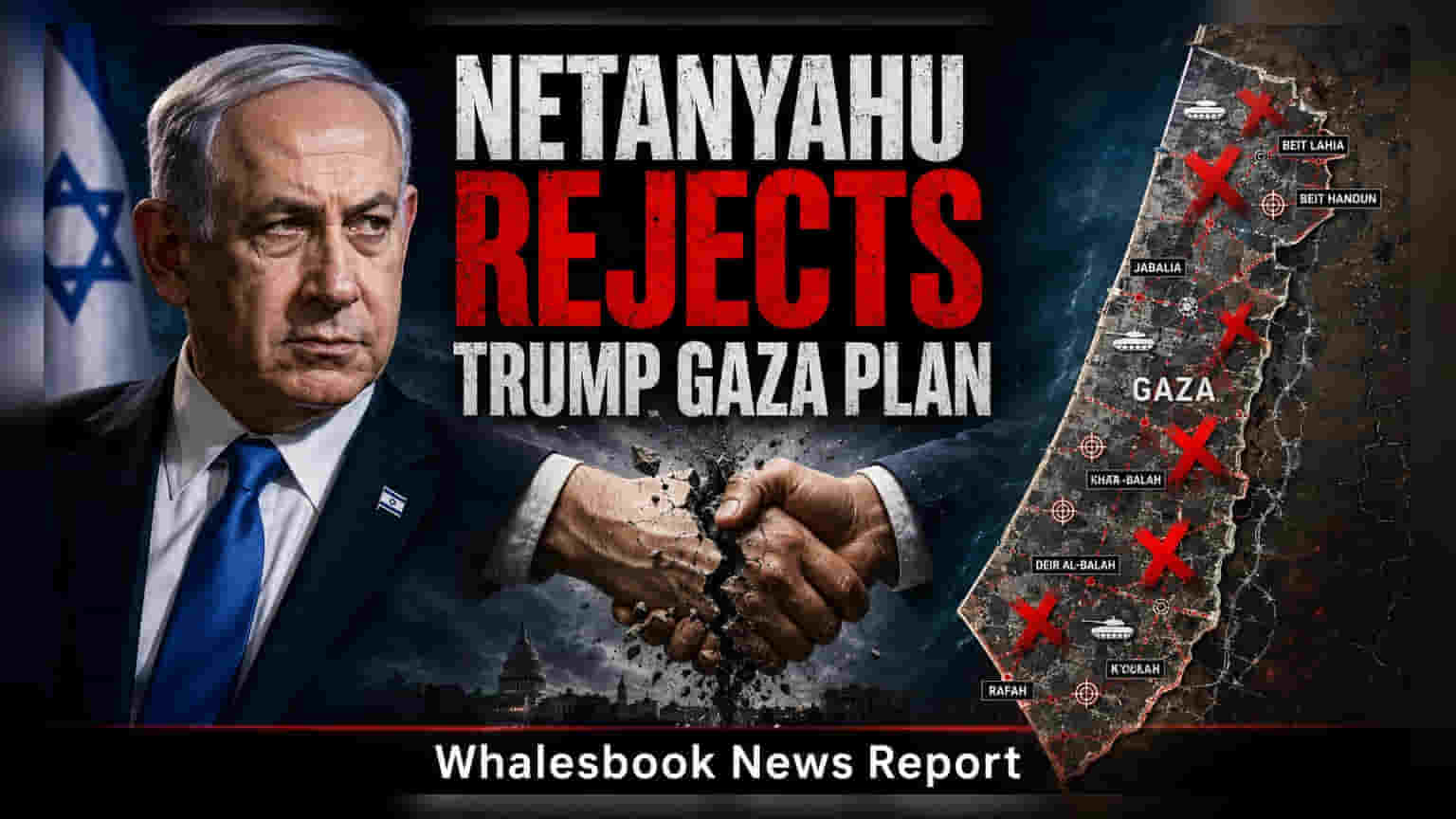
Israeli PM Benjamin Netanyahu has formally rejected a peace roadmap proposed by the Trump administration, insisting that military operations in Gaza will continue. The diplomatic standoff increases geopolitical uncertainty, an area often monitored by investors for its potential impact on global crude oil prices and market sentiment.
Israeli Prime Minister Benjamin Netanyahu has formally rejected a ceasefire and disarmament plan for Gaza proposed by the Trump administration. In a public statement, the Prime Minister clarified that Israeli forces will not withdraw from their current positions until Hamas is completely disarmed and eradicated. This decision highlights a clear disagreement between Jerusalem and the current U.S. leadership regarding the path toward peace in the region.
The proposed roadmap, supported by the U.S. government, aimed to transition security in Gaza to a new structure. However, the Israeli government has stated that this plan does not align with its national security interests. Netanyahu noted that his administration has submitted formal feedback to U.S. representatives, expressing firm reservations about the terms of the draft proposal. According to the Prime Minister, Israel remains committed to its original objective of dismantling Hamas, arguing that the group has attempted to rearm following the October 2025 ceasefire.
For investors, the developments in the Middle East are significant because the region is a critical supplier of global energy. Increased geopolitical tension often leads to higher volatility in global crude oil prices, which directly impacts India’s import bill and can influence local inflation and market sentiment. While equity markets generally focus on corporate earnings and domestic policy, prolonged conflicts in oil-producing regions often trigger a flight to safe-haven assets, such as gold, and can lead to fluctuations in currency markets like the USD-INR exchange rate.
The timing of this disagreement adds another layer of complexity. With Israeli elections scheduled for October 2026, political pressure on the leadership is intense. Analysts and market observers often monitor these diplomatic rifts to assess the likelihood of a prolonged military engagement. The refusal to halt operations means that the status quo remains unchanged, keeping global focus on the security and humanitarian conditions within the territory.
The situation remains fluid as both governments navigate these conflicting strategic views. The next important update will be whether further negotiations can bridge the gap between the U.S.-backed roadmap and Israel's security requirements. Until a diplomatic solution is reached, market participants may continue to watch for updates on military activities, potential shifts in regional alliances, and their indirect effects on global commodity and energy markets.