

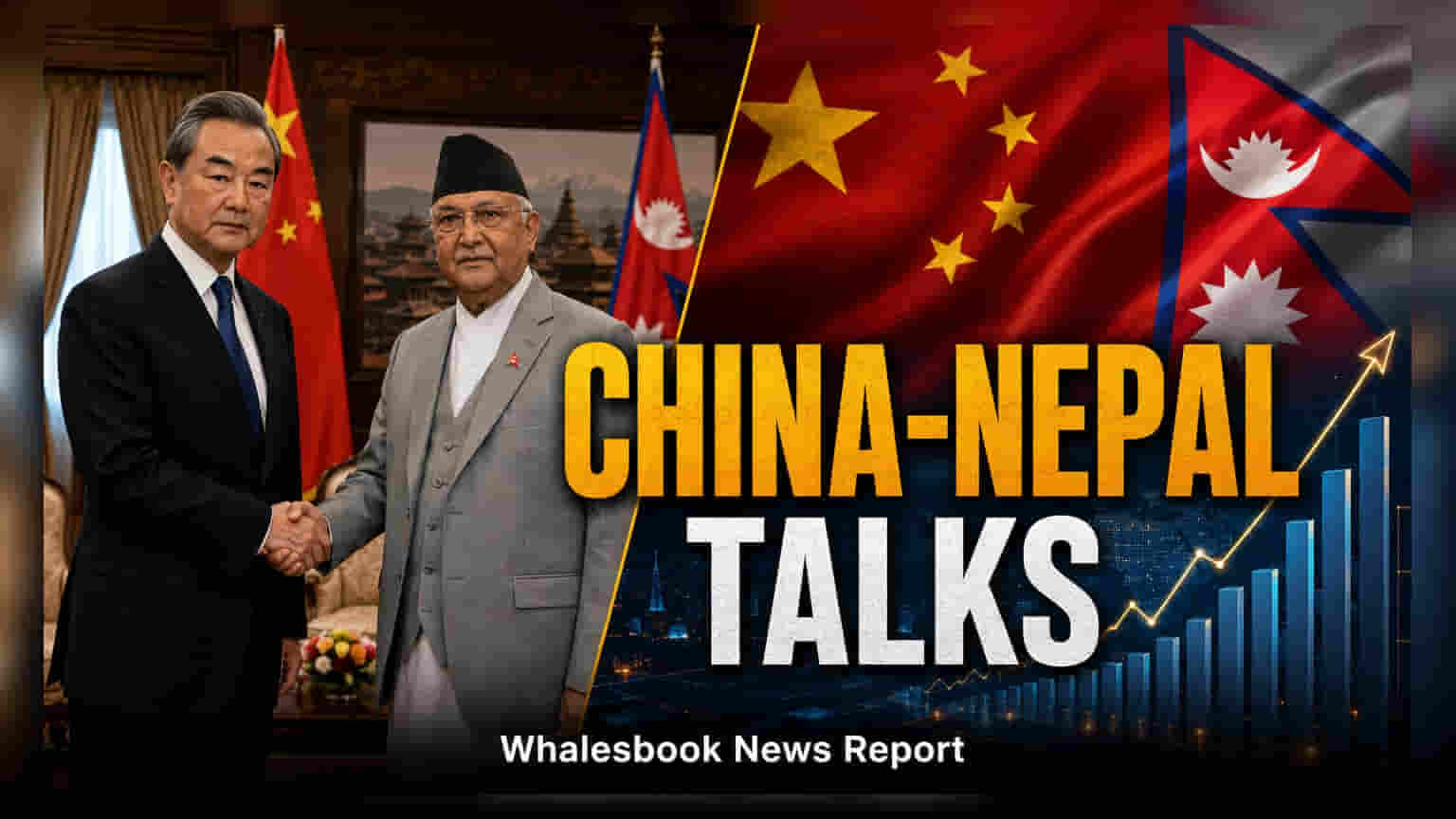
Nepal's Prime Minister Balendra Shah held high-level meetings with the Indian and Chinese ambassadors on August 10, 2026, ending a 100-day hiatus on one-on-one diplomatic engagements. This policy shift is significant for regional stability and economic cooperation. For businesses, monitoring Nepal's foreign policy approach is essential, as it directly impacts cross-border trade, infrastructure development, and potential investment climate in the Himalayan nation.
Nepal's Prime Minister Balendra Shah held direct, one-on-one discussions with the ambassadors of India and China on Monday, August 10, 2026, in Kathmandu. This event marks a departure from his administration's previous stance of avoiding individual meetings with foreign envoys, a policy that had been in place for over 100 days since he took office in late March 2026. Following these discussions, the Prime Minister is also scheduled to meet with the United States Embassy Chargé d'Affaires on Tuesday, August 11, 2026.
The discussions with Indian Ambassador Naveen Srivastava and Chinese Ambassador Zhang Maoming focused on strengthening bilateral relations, mutual economic interests, and ongoing development partnerships. For Indian stakeholders, Nepal remains a key partner for cross-border infrastructure projects, hydropower cooperation, and regional trade. Stability in Nepal's diplomatic outreach is often viewed as a positive signal for long-term project execution and regulatory clarity for investors involved in the region's energy and infrastructure sectors.
This renewed engagement comes after a period of domestic challenges in Nepal, including recent communal violence in districts such as Sunsari. Such internal volatility often poses risks to the business environment and can influence the pace of policy implementation. By resuming high-level diplomatic dialogue, the government appears to be prioritizing the balancing of its relationships with immediate neighbors and global powers to ensure economic stability and continued development support.
The shift in diplomatic approach is part of a broader strategy to manage Nepal's foreign policy amidst complex regional dynamics. While the resumption of talks is a positive development for diplomatic continuity, businesses and observers will likely watch for how these meetings translate into concrete policy action and project stability. The success of this approach will depend on the government's ability to maintain a delicate balance between competing regional interests and navigate internal security challenges that have previously hindered administrative focus. Investors tracking the region should continue to monitor upcoming statements and policy decisions from the Prime Minister's office regarding foreign investment guidelines and infrastructure project timelines.