

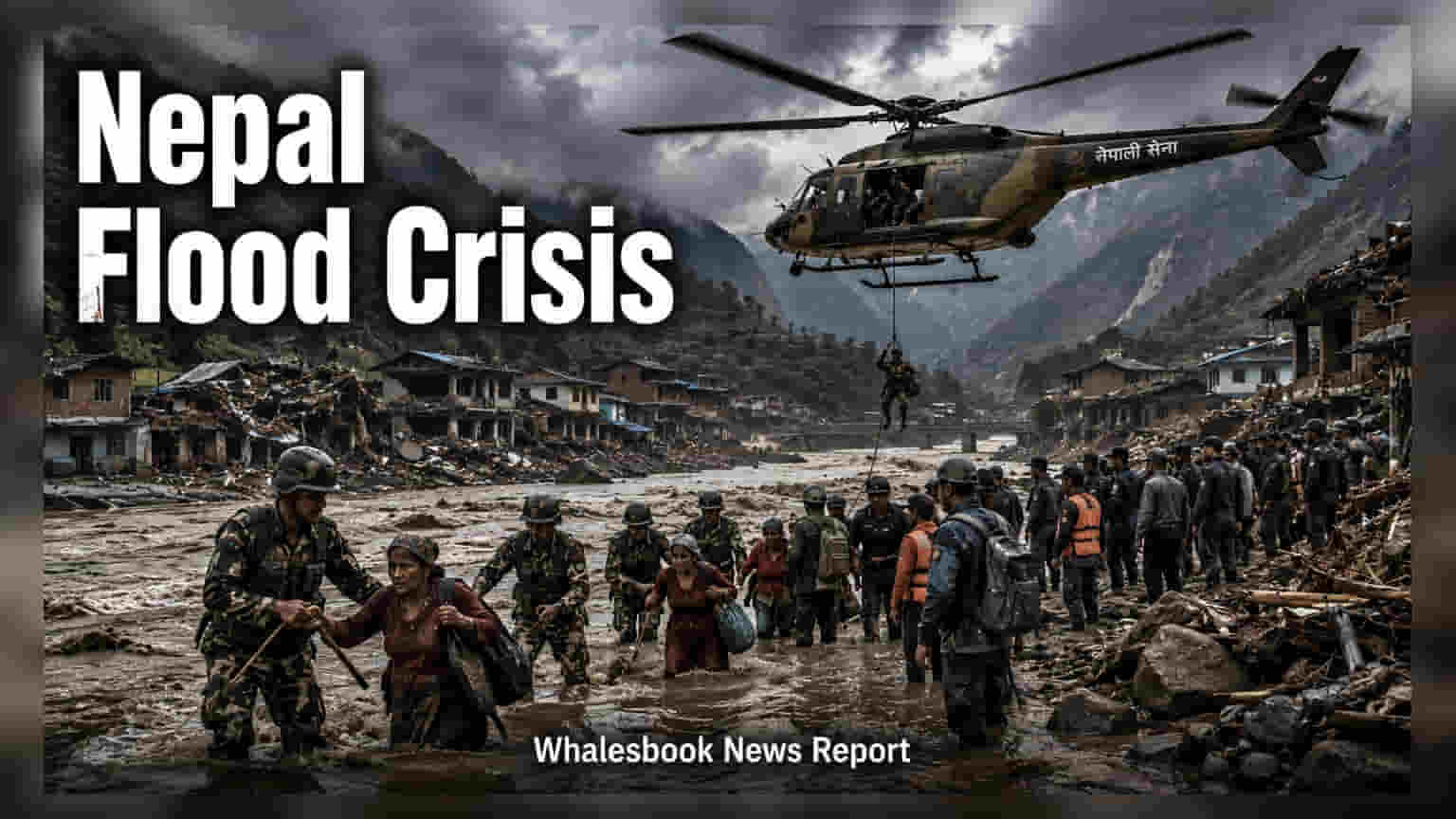
Nepal has launched a massive rescue mission following a deadly flash flood triggered by a glacier collapse in Tibet, which struck the Bhotekoshi river region. The operation involves over 13,000 security personnel, with 359 confirmed deaths and 910 individuals reported missing. Authorities are currently prioritizing the evacuation of stranded residents and the restoration of critical road infrastructure.
A catastrophic flash flood, triggered by a glacier collapse in Tibet, has caused widespread devastation across the Bhotekoshi river region in Nepal. As of August 27, 2026, the situation remains critical, with the government reporting 359 confirmed deaths and over 900 people missing. The disaster has severely impacted regions including Rasuwa, Nuwakot, and Dhading, resulting in significant damage to bridges, roads, and residential areas.
To manage the humanitarian crisis, the government of Nepal has surged its response, deploying 13,295 security personnel. This unified force includes 7,250 officers from the Nepal Police, 4,200 soldiers from the Nepal Army, and 1,845 personnel from the Armed Police Force. Prime Minister Balendra Shah has conducted on-site inspections in the most severely affected districts to oversee the coordination of relief efforts and to direct the mobilization of state machinery for rehabilitation.
Logistical operations are currently focused on reaching isolated communities, with the air force completing at least 69 sorties to airlift stranded individuals. The infrastructure damage is substantial, with authorities confirming the destruction of 19 bridges and approximately 40 kilometers of road network. This damage has led to the suspension of critical transport routes, including the Indo-Nepal Maitri Bus services, which directly impacts regional mobility and cross-border transit between India and Nepal.
Financial support has been released for immediate relief, with funds transferred to the most affected districts to secure temporary housing and medical supplies for approximately 3,500 displaced residents. Triage camps have been established at military barracks in Dhunche and Bidur to manage the intake of the injured, while the National Disaster Risk Reduction and Management Authority works to streamline the distribution of essential food and bedding materials.
The outlook for the coming days remains challenging. Officials have highlighted the ongoing risk of secondary floods due to the formation of new barrier lakes upstream in the Bhotekoshi region. Furthermore, the difficult mountainous terrain and unstable weather conditions continue to hamper both air and ground rescue efforts. Investors and regional observers are monitoring the situation for its impact on infrastructure restoration and the potential economic pressure on Nepal’s economy, as the government faces the dual challenge of managing immediate rescue costs and long-term reconstruction expenses.