

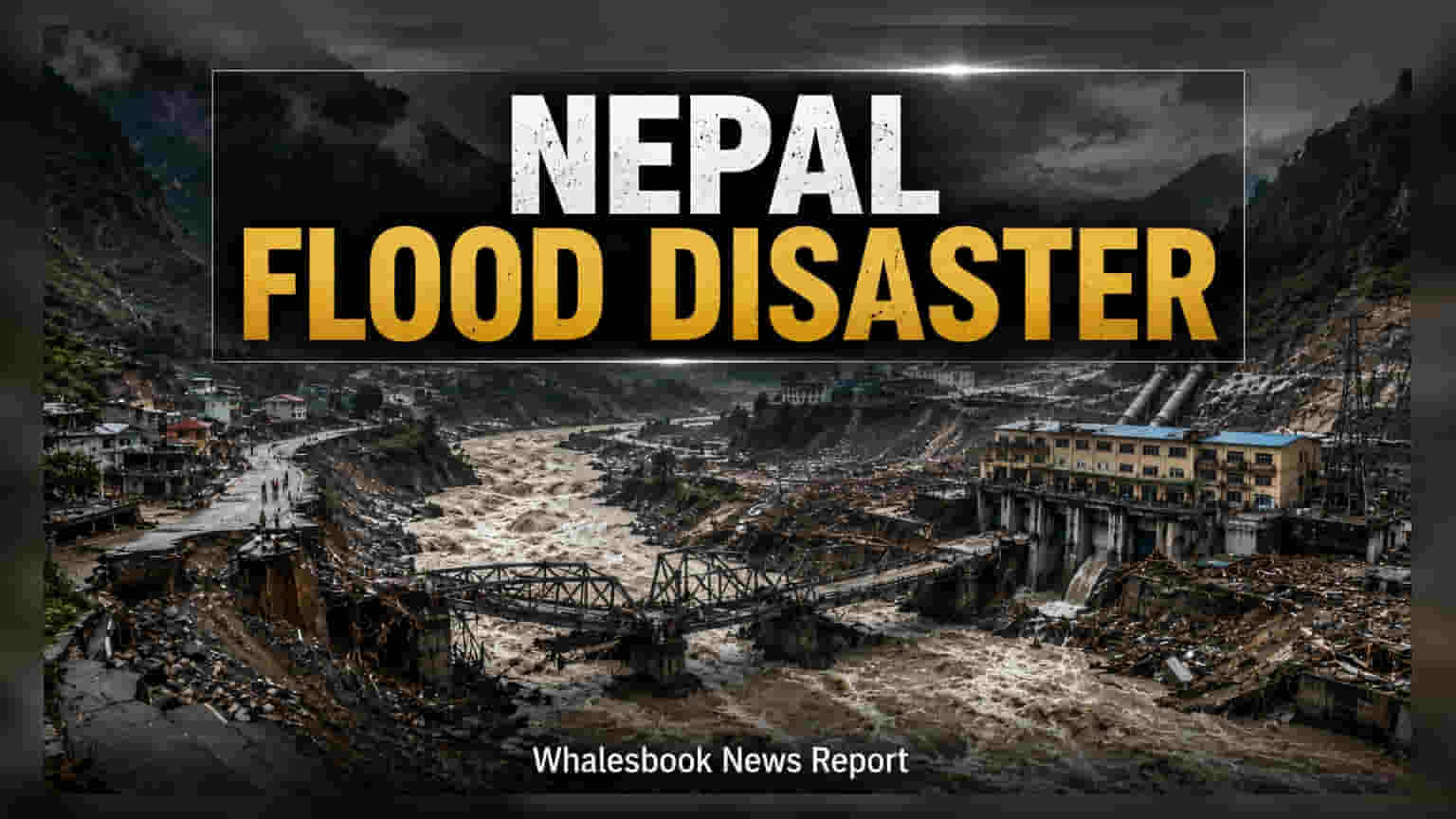
Massive glacial flooding in Nepal has caused an estimated Rs 200 billion in infrastructure damage, impacting over 430 MW of operational hydropower capacity. The disaster has severely hit transport routes and energy projects, triggering volatility in hydropower and insurance stocks due to concerns over revenue loss and rising insurance claims.
The catastrophic glacial lake collapse and subsequent flooding in Nepal on August 26, 2026, has caused an estimated Rs 200 billion in infrastructure damage. The destruction is concentrated along the Bhote Koshi and Trishuli river corridors, leading to the loss of critical transit hubs, 41 bridges, and 42 kilometers of roadway. This physical damage has effectively paralyzed logistics in the affected regions.
The energy sector has faced a significant setback, with the disaster removing over 430 MW of operational hydropower capacity from the national grid. Major facilities, including the 111 MW Rasuwagadhi hydropower project, have been forced to suspend operations due to heavy debris and structural damage. In addition to the plants already in use, approximately 470 MW of capacity currently under construction has been impacted. These delays in project completion and the loss of operational plants could affect power generation capacity and increase project costs significantly.
The Nepal Stock Exchange (NEPSE) witnessed a sharp market reaction to the news. On August 26, hydropower and non-life insurance sub-indices experienced notable declines. For hydropower companies, the primary concern for investors is the immediate loss of revenue and the high capital cost required for repairs. For insurance companies, the catastrophe creates financial pressure due to the high volume of expected claims related to damaged infrastructure and assets.
Beyond the immediate physical and financial damage, the region remains at risk of secondary disasters. Hydrological experts and authorities have warned about barrier lakes formed upstream, which are at risk of breaching. This threat complicates the long-term task of clearing riverbeds and restoring the damaged infrastructure. The situation remains precarious for downstream recovery efforts.
The most important updates for investors and stakeholders in the region will be the timeline for restoration of the damaged power plants and transport routes. Additionally, the final assessment of insurance claims will be a key factor in understanding the financial impact on the insurance sector. The market will also track any official updates on energy output recovery and the safety status of the upstream barrier lakes.