

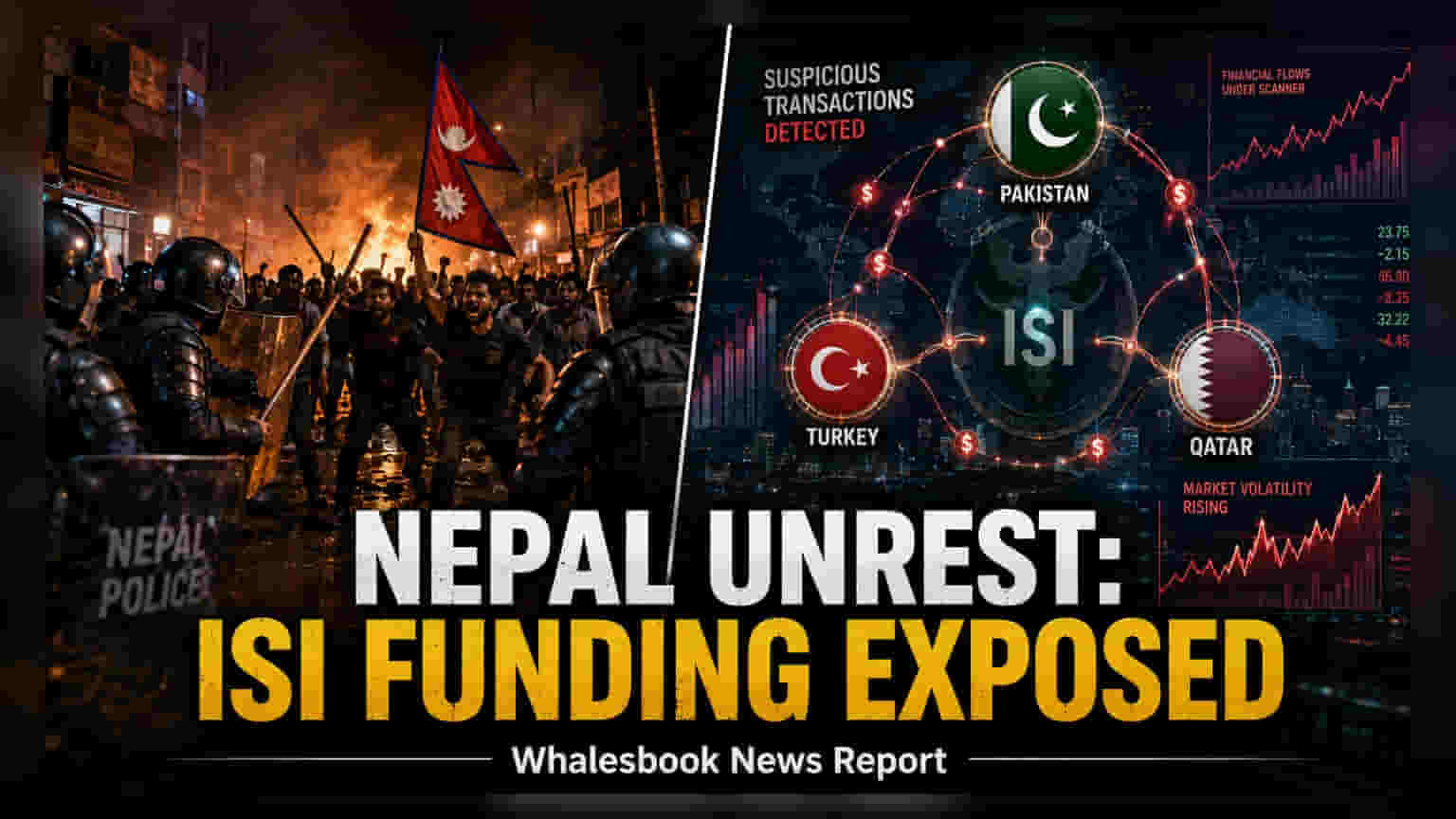
Nepal’s National Investigation Department is probing evidence suggesting that illicit funds from Turkey and Qatar were used to fuel recent riots, with potential ISI involvement. The ongoing inquiry focuses on cross-border security concerns, which investors track for potential impacts on regional stability and trade sentiment along the India-Nepal border.
Nepal’s National Investigation Department (NID) has launched a formal inquiry into the origins of recent communal violence in the Rupandehi district, following evidence that suggests external influence and illicit funding channels. Preliminary reports submitted to the Ministry of Home Affairs indicate that the disturbances may have been fueled by funds routed through networks linked to Pakistan, Turkey, and Qatar.
The investigation highlights concerns regarding the involvement of foreign actors in inciting local tensions. Investigators are currently examining the movements of specific individuals, including a Turkey-based cleric of Pakistani origin, Mohammad Ilyas Ghuman, who was reportedly present in border regions shortly before the unrest began. The clashes, which erupted during religious gatherings, resulted in casualties and injuries, subsequently spreading to other parts of the southern Terai region.
For investors and market participants, these developments are significant due to the implications for regional stability. The India-Nepal border is a critical artery for cross-border trade and logistics. Geopolitical instability or security concerns in the border districts can impact sentiment, disrupt local supply chains, and create uncertainty for businesses operating in or trading with the region. Market analysts often monitor such reports to assess the stability of the operating environment in neighboring South Asian markets.
The NID report also underscores broader concerns regarding the potential exploitation of border districts for activities that could affect India’s national security. Authorities are reviewing the influx of foreign clerics and the growth of unregistered religious institutions along the border. These concerns are not entirely new; historical precedents, such as the 1999 Indian Airlines hijacking and recent arrests involving intelligence-linked modules, have kept border security high on the radar of Indian agencies.
The key monitorable for investors and stakeholders in the region will be the findings of the final government inquiry and any subsequent policy measures taken by Nepalese authorities to tighten border security. The outcome of the investigation into funding channels—specifically regarding the alleged involvement of institutions from Turkey, Qatar, and other nations—will be important for understanding the future security posture of the region. As with any geopolitical development in emerging markets, sustained stability remains the primary factor that supports a predictable and conducive environment for cross-border commercial activity.