

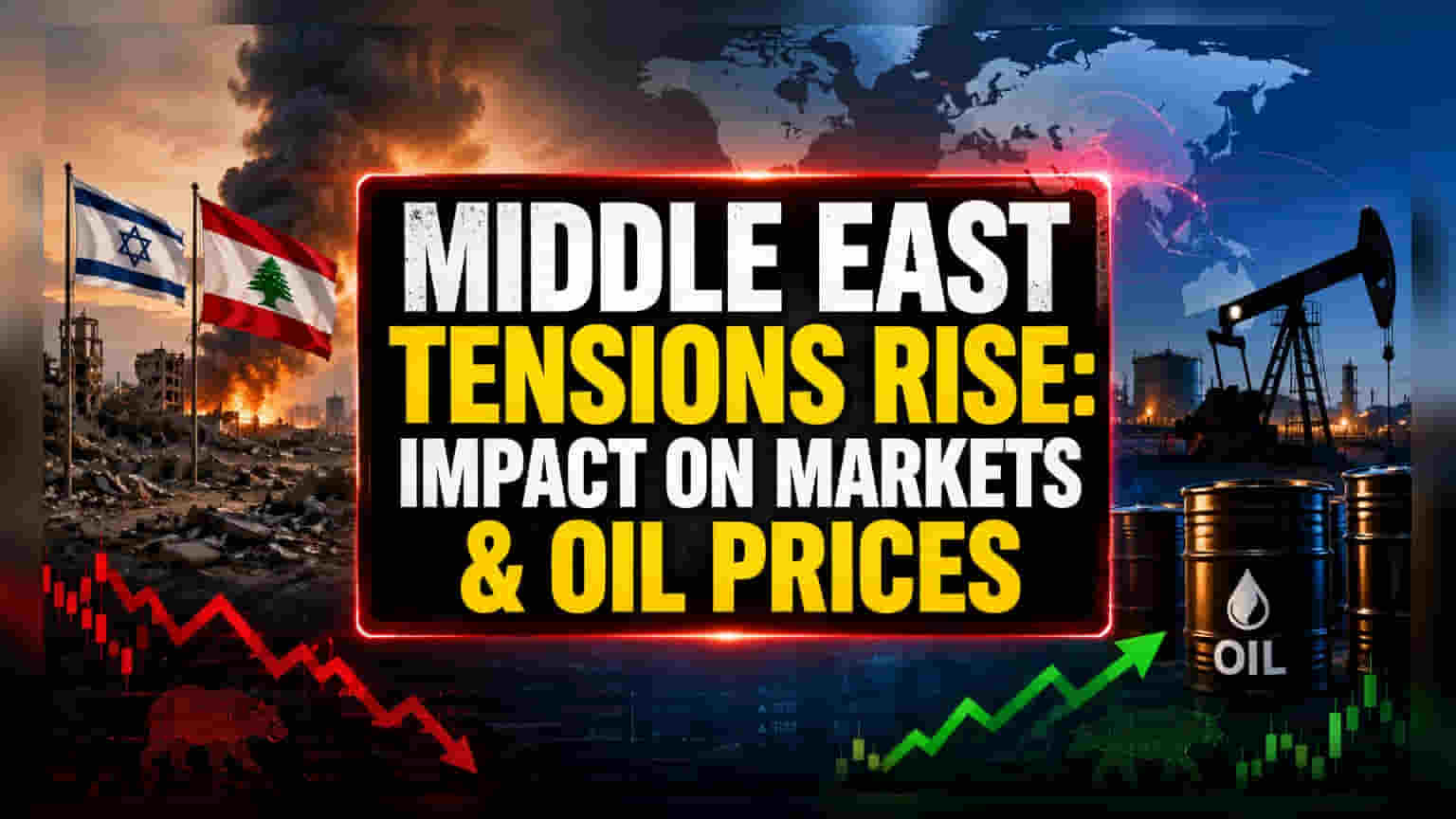
A renewed military incident between Israel and Lebanon has raised concerns about the stability of a fragile ceasefire. For Indian investors, the primary monitorable is the potential impact on global crude oil prices, which influences market sentiment, inflation, and sectors sensitive to fuel costs.
What Happened
A ceasefire between Israel and Lebanon is facing renewed strain following reports of military engagement in southern Lebanon. The incident, which resulted in fatalities, has led to increased tensions in the region. This development follows a period of a fragile truce that had been aimed at de-escalating the ongoing conflict, with international mediators attempting to facilitate further negotiations.
Why This Matters for Investors
Geopolitical instability in the Middle East often acts as a catalyst for increased volatility in global financial markets. For Indian investors, the direct concern is rarely the geopolitical event itself, but rather the resulting impact on the global economy. When instability rises in oil-producing or oil-transiting regions, market sentiment often shifts toward a 'risk-off' approach, where investors may reduce exposure to emerging markets in favor of safer assets. This can lead to broader fluctuations in the Nifty and Sensex.
The Crude Oil Connection
India is a net importer of crude oil, meaning its trade deficit and inflation levels are highly sensitive to energy prices. Historical market trends show that conflict in the Middle East can lead to supply concerns or fears of supply disruptions, which typically push crude oil prices higher. If oil prices climb significantly, it increases the import bill for the country, which can put pressure on the rupee and create inflationary risks for the domestic economy.
Sectors to Monitor
Investors typically watch specific sectors when energy prices or market volatility increase. Oil Marketing Companies (OMCs) are directly impacted by crude price changes, as their marketing margins can fluctuate depending on their ability to pass on costs to consumers. Additionally, sectors such as aviation and paints, which rely heavily on crude-derivative products like jet fuel and solvents, may face margin pressure if energy costs remain elevated for an extended period. Conversely, domestic upstream oil companies may see different dynamics based on global price movements.
What Investors Should Track Next
The immediate monitorable is the movement of global crude oil benchmarks, such as Brent Crude, in the coming trading sessions. Beyond commodity prices, investors will be observing Foreign Institutional Investor (FII) flows, as geopolitical uncertainty often causes these investors to reassess their positions in emerging markets like India. Additionally, any official statements from involved parties regarding the future of the ceasefire or further escalation will be critical for assessing the duration of the geopolitical risk.