

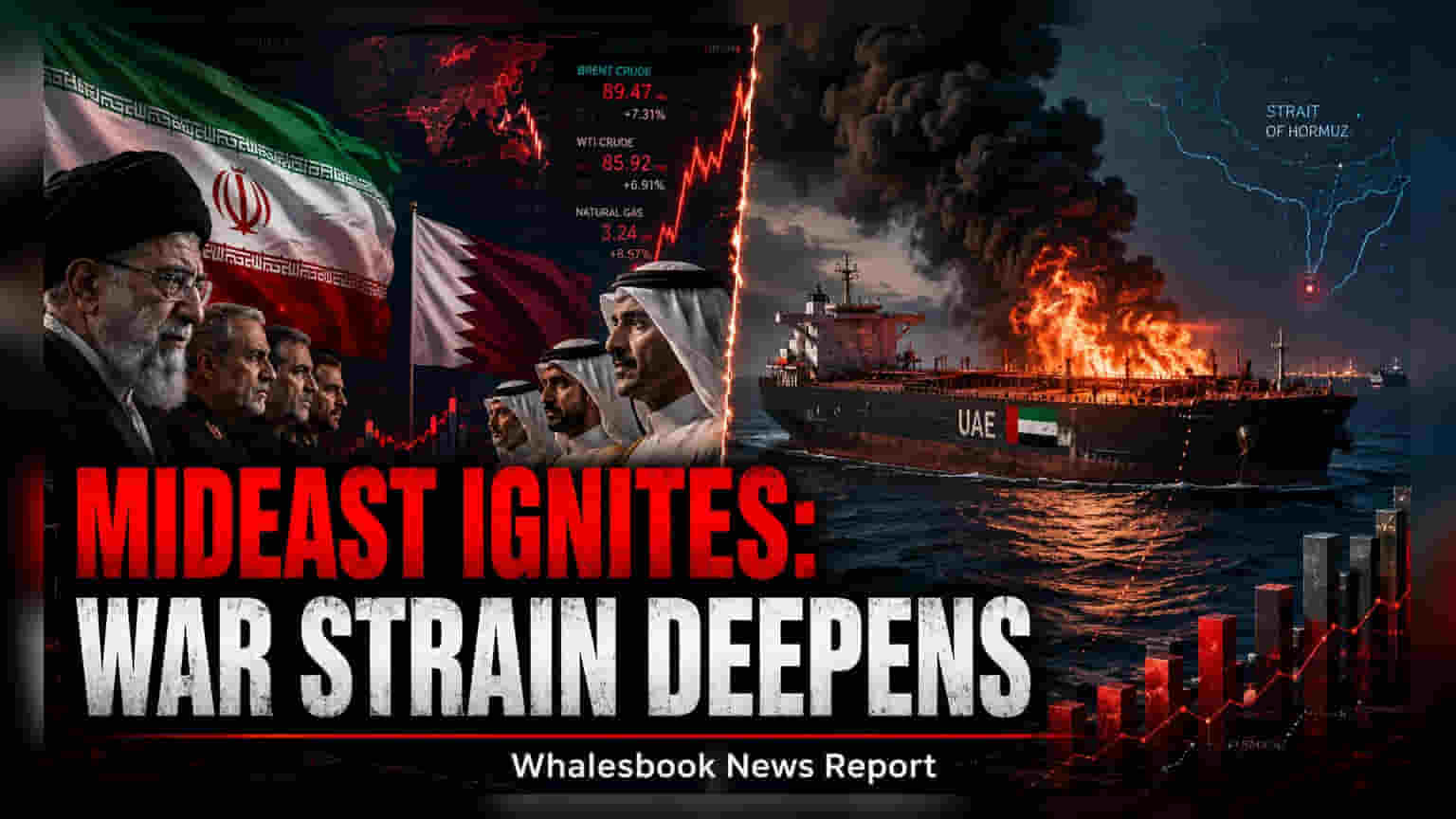
Geopolitical tensions spiked on August 15, 2026, following attacks on oil vessels in the Strait of Hormuz and intensified conflict in Lebanon and Yemen. These events have sparked concerns regarding global energy supply chain security and potential volatility in oil markets. Investors are closely monitoring how these simultaneous flashpoints could influence shipping costs, insurance premiums, and regional economic stability.
Geopolitical tensions across the Middle East intensified significantly on August 15, 2026, creating fresh uncertainties for global energy markets and international shipping corridors. The escalation involves multiple flashpoints, including reported attacks on vessels operated by the Abu Dhabi National Oil Company (ADNOC) in the Strait of Hormuz, alongside renewed military activity in southern Lebanon and Yemen.
The most immediate concern for investors and global markets is the instability in the Strait of Hormuz. As one of the world's most critical maritime chokepoints for oil transit, any disruption here creates immediate anxiety regarding the security of energy supply chains. Markets historically react to such threats with increased volatility in crude oil prices, as traders assess the potential for supply delays. For companies involved in energy and logistics, this means a heightened environment of uncertainty.
Simultaneously, the situation in Yemen has disrupted port operations. Houthi forces launched ballistic missile strikes on the Red Sea port of Mokha, forcing a suspension of activities. This event, coupled with the ongoing conflict in southern Lebanon, suggests a widening scope of regional hostilities. For Indian investors, the Middle East holds significant weight due to the country’s reliance on crude oil imports from the region. While the situation does not impact Indian listed stocks directly, prolonged instability can influence global oil prices, which in turn affects the profit margins of energy-intensive industries and domestic inflation levels.
Maritime insurance premiums and logistics costs often rise during periods of instability, as shipping companies reassess the risks of transiting through volatile waters. The combination of vessel attacks and infrastructure damage at ports like Mokha creates a complex environment for global trade. Investors typically look for stability in these corridors to ensure predictable pricing and reliable supply chains.
The broader regional context also includes diplomatic strain between Iran and Qatar regarding the detention of pilots, which adds another layer of unpredictability to the geopolitical outlook. While the immediate focus remains on energy and maritime security, the situation requires caution. The key monitorables for market participants include any further disruption to oil tanker traffic, changes in global crude oil benchmarks, and updates regarding shipping insurance rates. As the conflict across Lebanon and Yemen continues, the primary concern for the business community remains the extent to which these hostilities could expand or impact the safe passage of energy and commodities through critical regional waterways.