

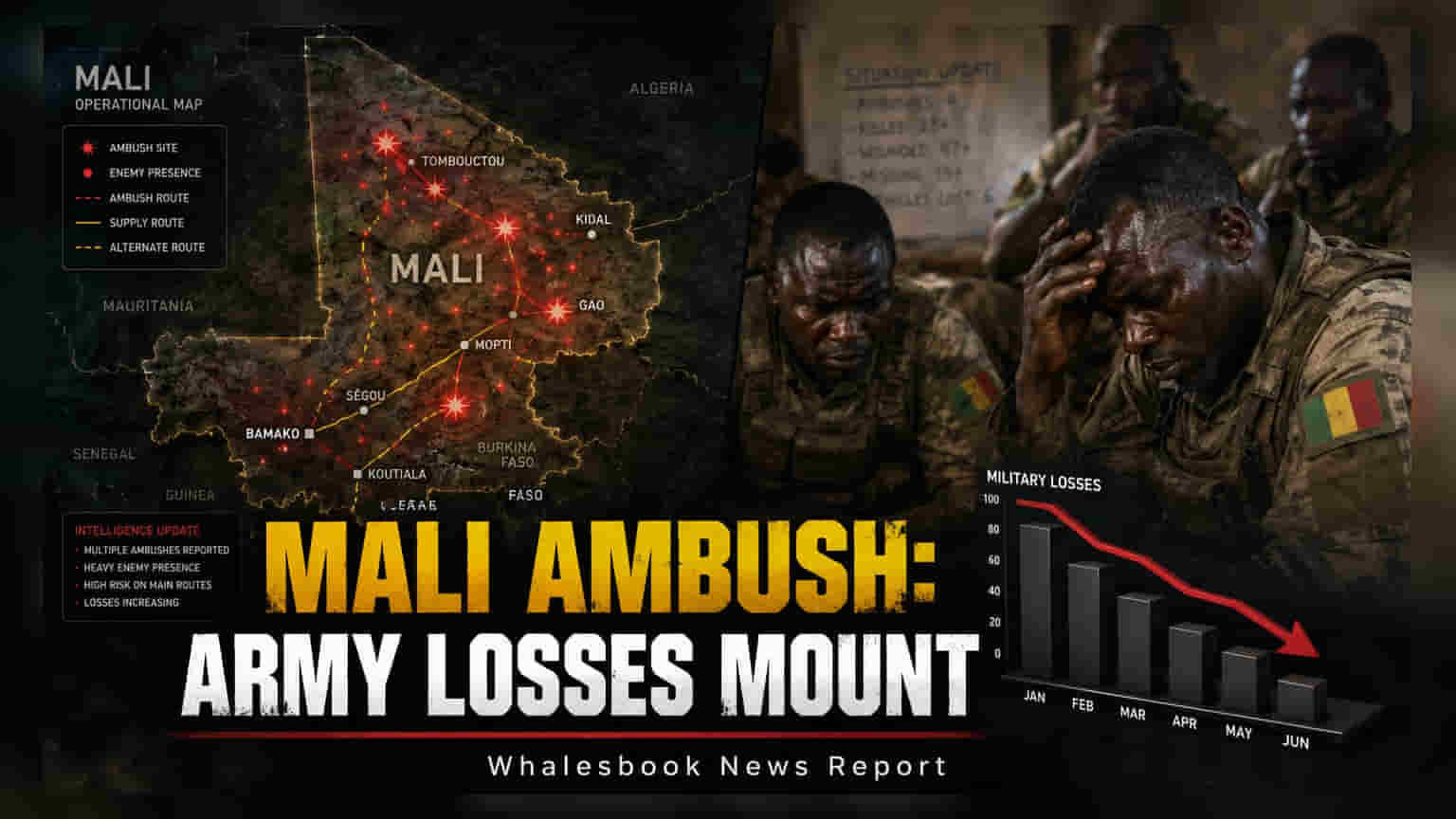
A Malian army convoy was ambushed by an alliance of JNIM and FLA militants in the Gao region on Saturday. The attack marks an escalation in the cooperation between extremist groups and separatist forces in the Sahel. The Malian government has confirmed the incident and announced that a counter-offensive is currently underway to address the security threat.
The Malian military faced a significant security challenge on Saturday following an ambush on an army convoy in the remote Gao region of northern Mali. The attack was reportedly carried out by a coordinated alliance between Jama'at Nasr al-Islam wal Muslimin (JNIM), an al-Qaida-affiliated militant group, and the Azawad Liberation Front (FLA), a separatist organization. Both groups have claimed responsibility for the incident, citing significant casualties among the government forces and the capture of soldiers.
Escalating Militant Cooperation in the Sahel
The incident in Gao is viewed by regional security analysts as evidence of a deepening operational partnership between extremist elements and separatist groups. This alliance poses a growing threat to stability in the Sahel, a region already strained by years of conflict. The cooperation between JNIM and the FLA was previously highlighted during a major coordinated assault earlier in April 2026, which signaled a change in tactics for these groups.
Security Challenges for the Malian Government
Mali has been battling persistent insecurity for over a decade, primarily driven by Tuareg-led separatist movements in the north seeking the establishment of a state called Azawad. The consolidation of various factions into the Azawad Liberation Front in 2024 has further complicated the government's ability to maintain control in northern territories. The recent ambush on an army convoy highlights the limited reach of government authority in the Gao region and the increased technical and tactical capabilities of the rebel alliance.
The Malian army has issued a brief confirmation of the ambush and stated that a counter-offensive is underway to regain control and address the losses. For observers and international stakeholders, the primary monitorable in the coming weeks will be the government's ability to stabilize the region and the potential for further coordinated attacks by the JNIM-FLA alliance. The sustainability of this rebel cooperation and its impact on regional infrastructure and local security remain key areas of concern as the government attempts to suppress the insurgency.