

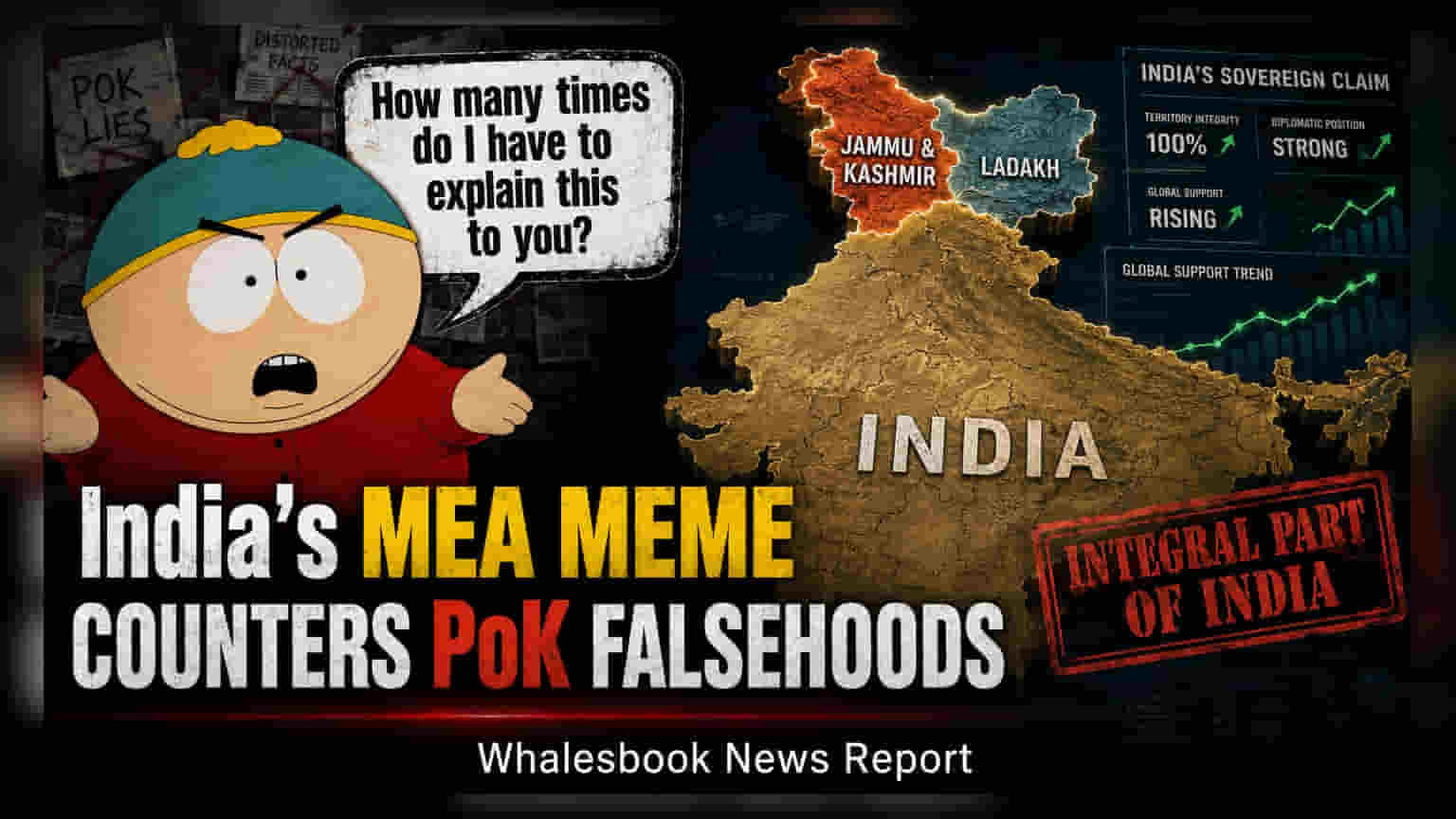
India's Ministry of External Affairs has officially dismissed Pakistan's claims regarding Jammu and Kashmir, labeling recent elections in the occupied region a cosmetic exercise. This diplomatic response follows reports of escalating protests and violence in the area, highlighting ongoing geopolitical instability.
The Ministry of External Affairs (MEA) has issued a firm rejection of claims made by Pakistan concerning the status of Jammu and Kashmir and Ladakh. In a statement released on Wednesday, the ministry emphasized that these Union Territories remain inseparable parts of India, including areas currently under Pakistan's control.
Official Stance on PoK Elections
The Indian government characterized the ongoing electoral processes within Pakistan-occupied Kashmir (PoK) as a cosmetic exercise. According to the MEA, these actions are intended to mask the illegal occupation of the territory and deflect attention from significant human rights concerns. The ministry reiterated that such activities do not alter the legal status of the region, which remains an inalienable part of India.
This diplomatic reaction comes as the MEA actively monitors misinformation campaigns regarding the region. By utilizing digital platforms to clarify India's position, the government aims to counter persistent narratives that label the territories as disputed under international resolutions.
Impact of Regional Instability
The diplomatic exchange coincides with reports of significant civil unrest in PoK. Demonstrations led by the Jammu & Kashmir Coordination Committee (JAAC) have intensified, with protesters raising concerns over systemic economic exploitation and the denial of fundamental rights. Recent reports indicate that tensions have escalated into physical confrontations, with security forces allegedly using force against demonstrators in areas such as Rawalakot and Mirpur.
While the situation remains volatile, the JAAC has sought an independent international investigation into the reported violence and casualties. Investors and observers often monitor such geopolitical developments as they can influence regional trade stability, security-related government spending, and the broader macro-political environment affecting cross-border relations.
Market participants tracking these developments will likely focus on official statements from the government regarding security measures and any potential impact on infrastructure or trade corridors in northern India. Future updates will depend on the stability of the region and the government's official assessment of the evolving security situation.