

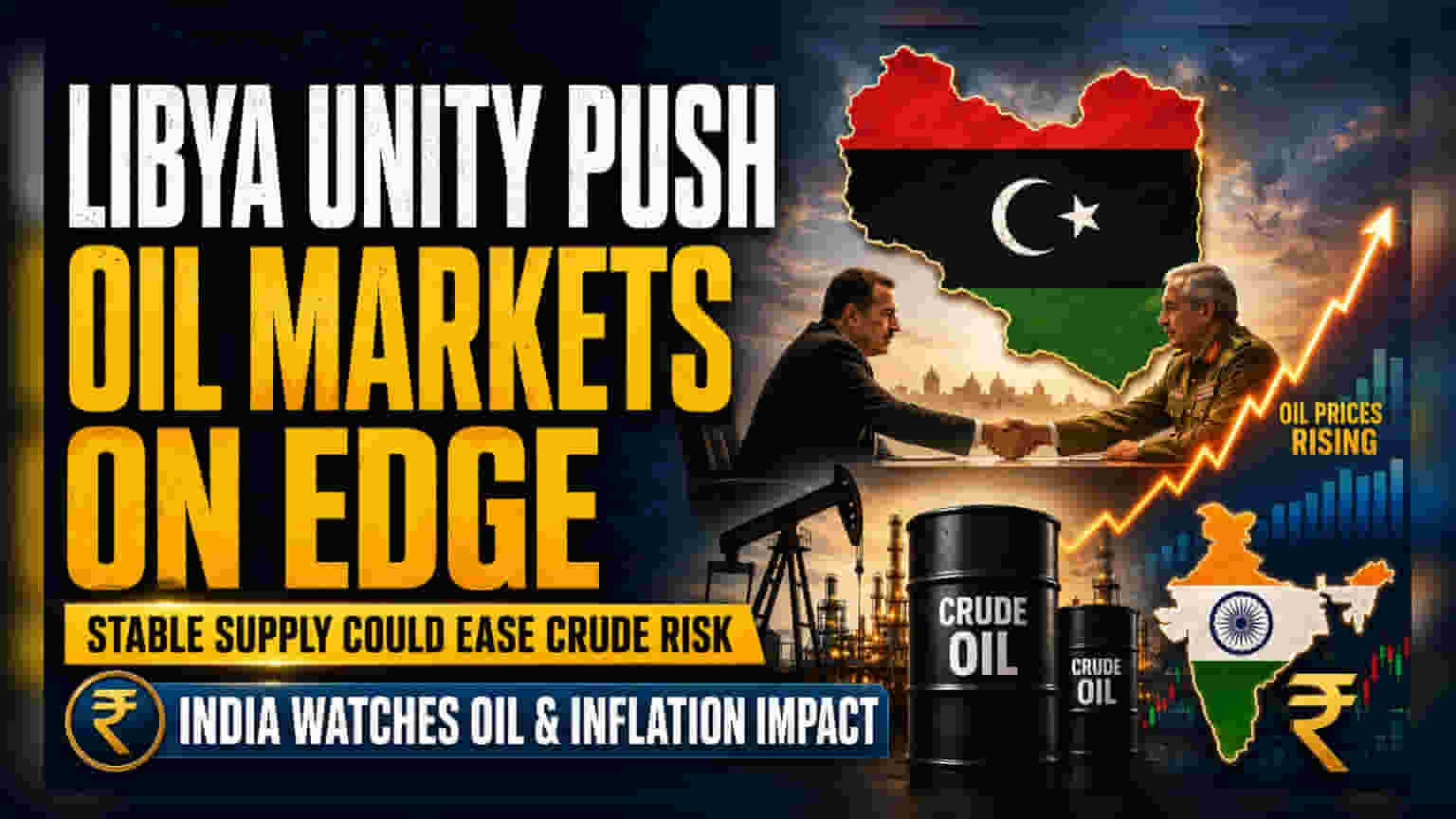
A U.S.-led proposal to unify Libya's government is gaining political backing, potentially impacting the nation's oil output. For investors, stability in Libya is vital as it influences global crude oil prices. Since India is a major oil importer, any shift in supply dynamics from this region directly impacts input costs for domestic oil companies and the broader inflation outlook.
What Happened
A U.S.-backed initiative aimed at unifying Libya’s divided government and integrating its state institutions is gaining support. Led by U.S. adviser Massad Boulos, the plan seeks to consolidate the country’s executive authorities. Recently, the proposal received endorsement from key political and military figures, including former commander Abdul Hakim Belhaj and forces associated with military commander Khalifa Haftar. The initiative is being discussed against a backdrop of intensified regional diplomacy involving Egypt, Saudi Arabia, and Turkey, all aiming to foster more stable political arrangements within the North African nation.
Why Global Oil Markets Watch Libya
Libya holds some of the largest oil reserves in Africa. Because the country has been politically fractured for years, its oil production has frequently faced disruptions. For the global energy market, a stable Libya means more predictable oil supply. Conversely, if political disagreements or power struggles persist, supply disruptions can occur, putting upward pressure on global crude oil prices. Oil markets are highly sensitive to any news that might threaten output from major producers, making the success or failure of this unification plan a significant factor for energy prices.
The Impact On Indian Investors
India imports a large portion of its crude oil requirements. When global oil prices are volatile or rise due to supply uncertainty in regions like Libya, it increases the import bill for India. This can put pressure on the margins of Indian Oil Marketing Companies (OMCs) if they cannot pass on the costs to consumers. Additionally, sustained high oil prices can influence domestic inflation and interest rate trends, which are key variables for the Indian stock market. While this initiative is geopolitical, it serves as a monitorable for investors tracking energy sector stability and inflationary pressures.
Risks To The Proposed Deal
There are significant criticisms surrounding the initiative. Some political factions, such as members of the High Council of State, have expressed skepticism about the genuineness of the support for the plan. There are concerns that the proposal may prioritize quick power-sharing deals between specific individuals over deep-seated governance reform. Reports have noted that key figures mentioned in the plan, such as Saddam Haftar and Ibrahim Dbeibah, have previously been linked to illicit oil smuggling and financial misappropriation. If the plan is viewed as favoring these individuals rather than stabilizing institutions, it could face local backlash or lead to further instability, negating any potential benefits for oil production.
What Investors Should Track Next
Investors may track whether this initiative translates into concrete steps toward unified governance or if it stalls due to political infighting. The key monitorable is the sustainability of the agreement between the eastern and western factions. If the deal moves forward, markets will look for signs of increased and consistent oil output. If reports emerge of corruption or continued deadlock, it could signal that supply risks remain, keeping oil prices potentially volatile.