 Whalesbook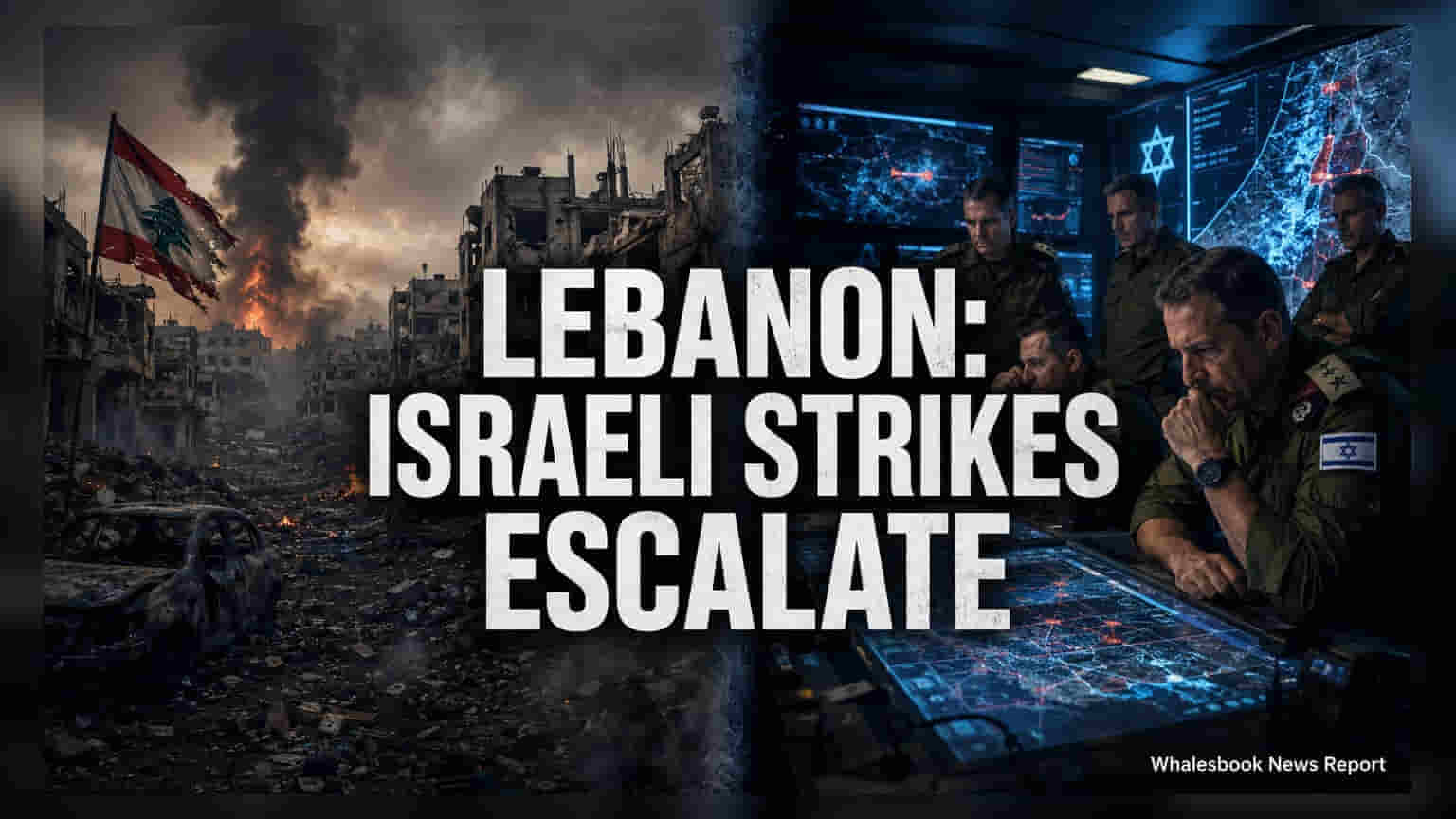


Escalating Conflict Intensifies Regional Tensions
Market participants are closely observing Israel's expanding military operations in Southern Lebanon, which have moved beyond initial tactical expectations. The advance of ground forces past the Zahrani River, aiming to establish a security zone, signals a significant shift from localized skirmishes to a broader regional conflict. This development immediately affects aerospace companies and increases volatility in energy markets, as Hezbollah's drone and artillery exchanges challenge the resilience of regional defense systems.
Defense Stocks Surge Amidst Supply Chain Strain
Unlike previous periods of tension, the current intensity of operations is creating considerable disruption to regional shipping and supply chain logistics. Market analysis shows that defense equities, especially those focused on air defense systems like Iron Dome, are experiencing sustained demand due to high combat expenditure rates. This engagement level, compared to similar conflicts over the last two decades, has led to a noticeable decrease in regional liquidity, prompting institutional investors to shift capital towards safer assets like dollar-denominated holdings and core defense investments.
Infrastructure Risks and Investor Concerns
A primary concern for risk mitigation is the potential for damage to critical infrastructure, including energy transmission lines and water reservoirs. The destruction of facilities near key sites such as the Qaraoun Dam highlights the vulnerability of the region's economic base. There are also significant institutional worries about the long-term fiscal sustainability of maintaining these high-intensity military operations. Any signs of dwindling defensive supplies or a breakdown in diplomatic efforts could lead to a sharp decline in local market indices. Institutional investors are particularly wary of the 'long-tail' risk, where the conflict's duration exceeds current pricing models for regional insurers and multinational corporations operating in the Mediterranean.
Market Outlook Remains Uncertain
The ongoing conflict is expected to continue causing civilian displacement and infrastructure damage. Current market sentiment suggests that regional indices will likely trade within a narrow, highly volatile range, reflecting the extreme uncertainty surrounding the escalation's potential limits. Future market stability will depend on the progress of ground operations and the ability of both sides to sustain logistical support for their front-line forces.