

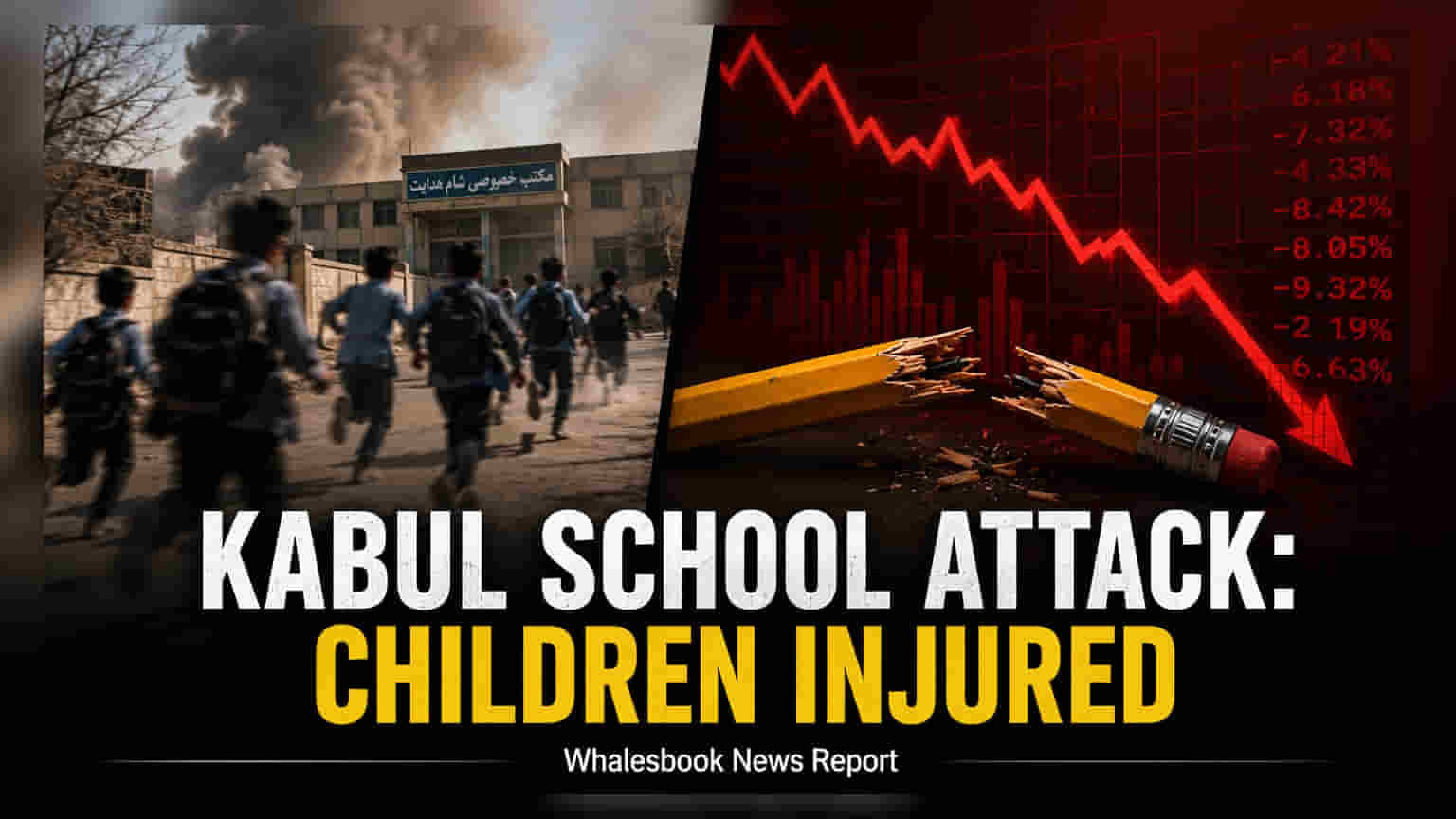
A hand grenade attack at a school in Kabul’s Dasht-e-Barchi neighborhood left at least 42 children injured on Monday. The incident, which occurred in an area populated by the Hazara ethnic minority, has prompted United Nations officials to call for a thorough investigation into the ongoing security risks facing educational institutions in the region.
A violent incident occurred on Monday at the Sham-e-Hedayat private school in the Dasht-e-Barchi neighborhood of Kabul, Afghanistan, resulting in injuries to at least 42 children. The victims, ranging from nine to 14 years old, were wounded as students were leaving the school premises. Local police officials confirmed the incident involved a hand grenade, though specific details regarding the perpetrators remain under investigation.
The United Nations Assistance Mission in Afghanistan (UNAMA) verified the injuries and joined international calls for an independent inquiry into the event. Richard Bennett, the UN Special Rapporteur for Afghanistan, publicly condemned the attack, describing it as a heinous act that has once again targeted the Hazara community.
The Dasht-e-Barchi area is predominantly inhabited by the Hazara ethnic minority, a group that has historically faced persecution and targeted violence by various extremist organizations in the region. This incident adds to a troubling pattern of security threats against Hazara-populated areas, which have been frequently targeted in recent years.
Beyond the immediate security crisis, the event highlights broader challenges within Afghanistan’s education sector. International observers and humanitarian groups have repeatedly noted that the safety of students and schools is critical to maintaining educational access, which remains fragile due to underfunding and systemic instability. As of Tuesday, no group had officially claimed responsibility for the attack, and local authorities continue to examine the circumstances surrounding the blast. For those monitoring geopolitical developments in the region, the security situation for civilians and schools remains a key focus area.