

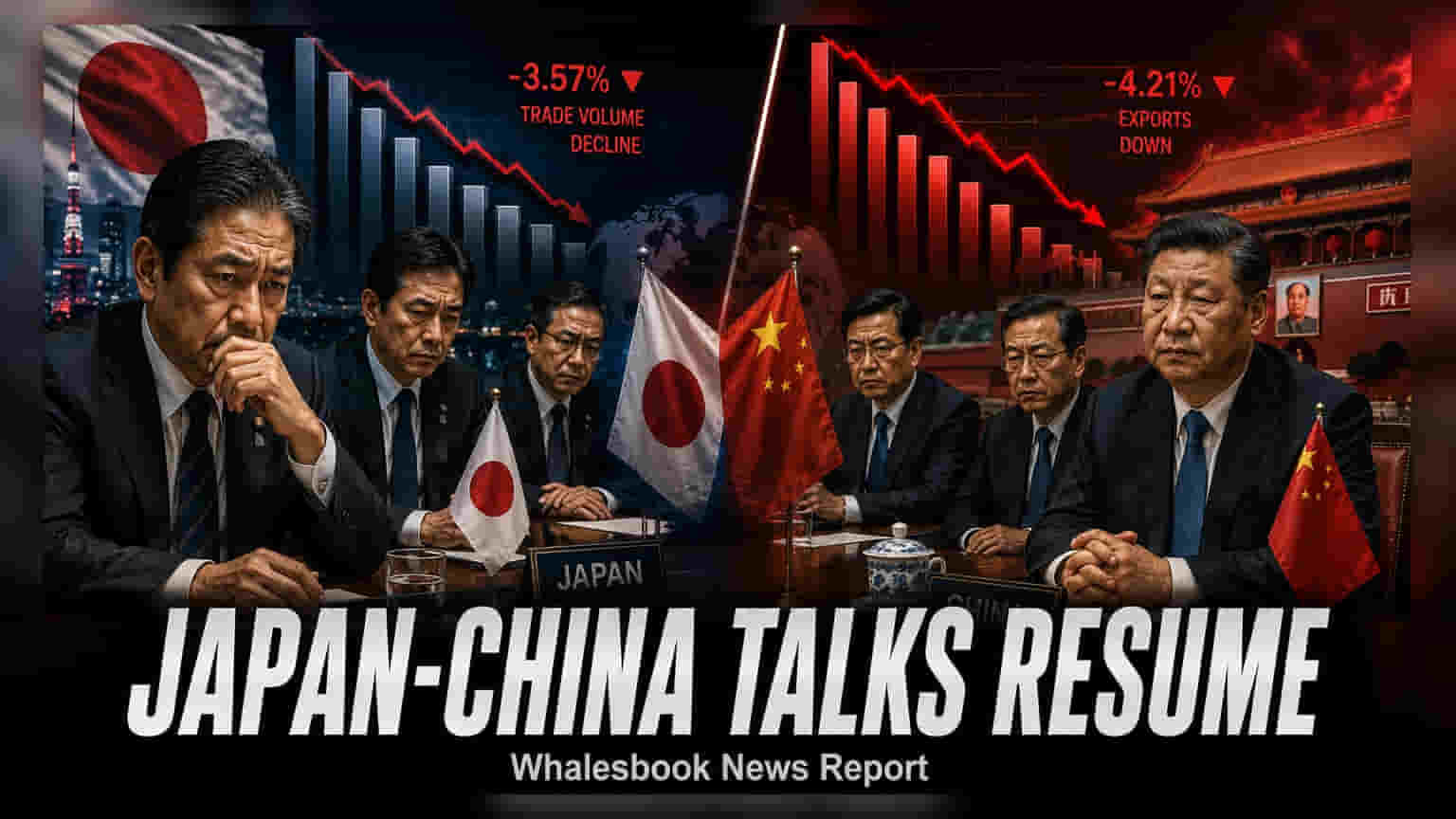
A cross-party delegation of Japanese lawmakers arrived in Beijing on August 24, 2026, for a four-day mission to restore diplomatic channels. The visit follows months of strained relations and trade friction caused by comments regarding Taiwan. Investors are watching for potential shifts in trade policy and regional geopolitical stability.
A delegation of Japanese lawmakers arrived in Beijing on Monday, August 24, 2026, marking the first high-level engagement between the two nations since diplomatic channels were largely frozen in late 2025. This visit, scheduled to conclude on Thursday, aims to establish a path for dialogue to address the deep-seated tensions that have impacted bilateral trade and regional stability.
Origins of the Diplomatic Chill
The current diplomatic freeze began in November 2025, following parliamentary remarks by Japanese Prime Minister Sanae Takaichi. During that period, the Prime Minister described a potential Chinese military action against Taiwan as an 'existential crisis' for Japan, suggesting it could justify a defensive military response. This statement prompted a sharp reaction from Beijing, which views Taiwan as an integral part of its territory and considers such rhetoric as interference in its internal affairs.
Impact on Trade and Economy
The diplomatic fallout has had tangible economic consequences. Following the remarks, Beijing implemented various retaliatory measures, which included trade restrictions on specific Japanese exports such as seafood and certain dual-use industrial items. The tension also contributed to a decline in bilateral tourism and ministerial-level communication, disrupting business interactions that are vital for supply chains in the East Asia region.
Why Investors Are Watching
For investors and businesses operating in Asia, the key concern lies in the potential for these talks to de-escalate regional tensions. Because Japan and China are major trading partners, the state of their diplomatic relationship directly influences supply chain reliability, export-import costs, and the regulatory environment for multinational companies. Any sign of a thaw in relations could lead to a reduction in trade barriers, though experts remain cautious about the speed of recovery given the fundamental nature of the security disputes.
Geopolitical Risks and Next Steps
The success of this 'semi-official' diplomatic effort remains uncertain. While both sides have expressed a desire to reopen communication, the underlying disagreements regarding regional defense policies and Taiwan remain unresolved. The market will monitor the outcome of these meetings for any official easing of trade restrictions or clearer signals on future diplomatic cooperation. If the talks fail to produce concrete progress, the risk of further trade friction or additional retaliatory measures remains a possibility, which could continue to affect investor sentiment regarding regional market stability.