

A 7.1 magnitude earthquake in Japan’s Kyushu island has caused infrastructure damage and forced major tech companies to halt production. The event has led to factory evacuations and transport disruptions, with investors monitoring the potential impact on global supply chains for semiconductors and electronics.
Detailed Coverage
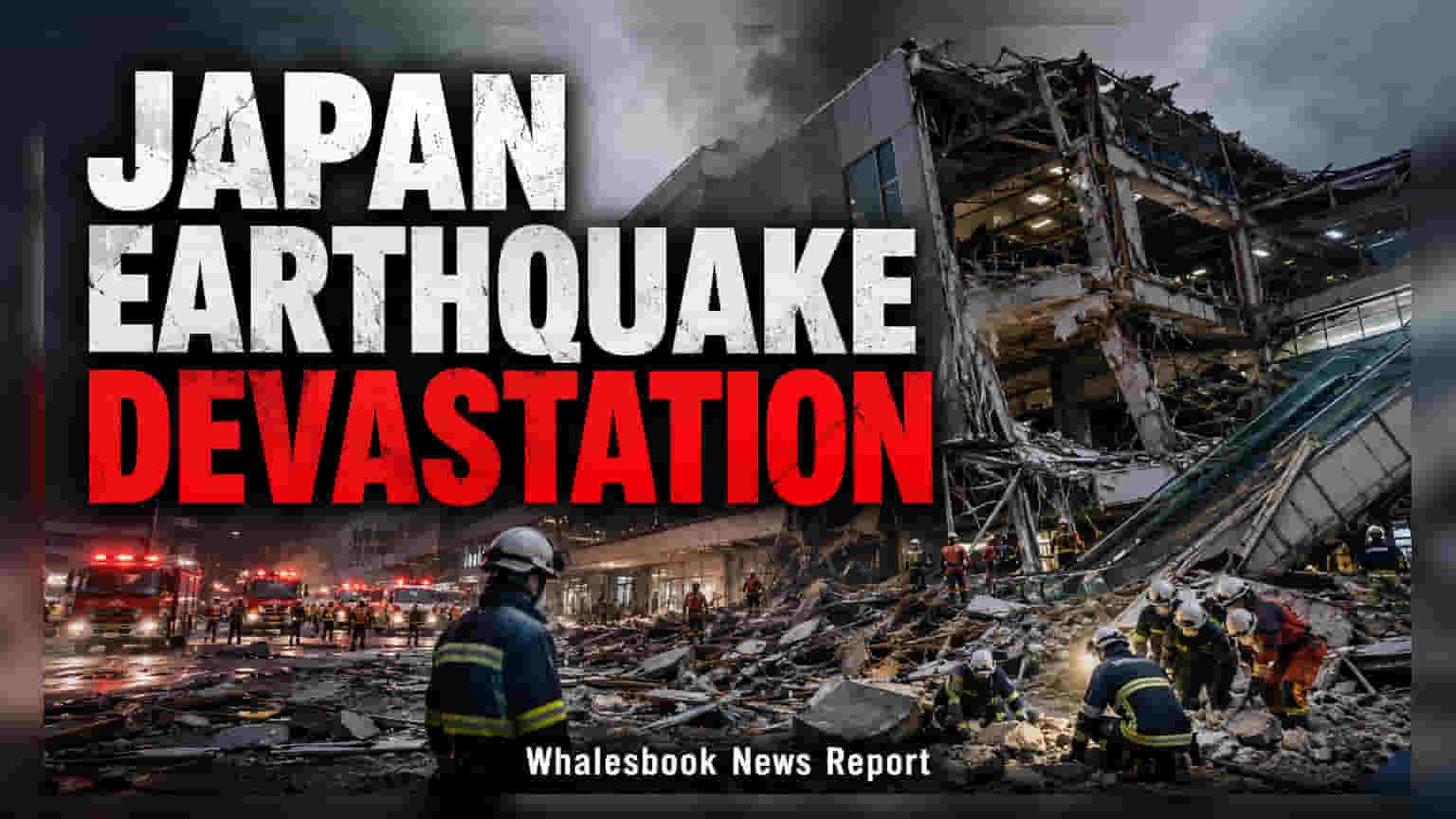
A powerful 7.1 magnitude earthquake struck Japan’s Kyushu island on Tuesday, causing significant infrastructure damage and prompting several global technology giants to suspend local operations as a safety precaution. The tremor has led to reports of collapsed buildings, including a partial collapse at an Aeon Mall in Kumamoto, and widespread power outages across the region.
Impact on Tech Supply Chains
Among the manufacturers impacted is Taiwan Semiconductor Manufacturing Company (TSMC), which evacuated its facility in the affected region to ensure employee safety. Similarly, Sony and Fujifilm have moved staff out of nearby plants to conduct necessary safety inspections before resuming production. For investors, these halts are significant because the Kyushu region serves as a critical hub for high-tech manufacturing and electronics production. Any extended downtime at these facilities could cause temporary supply chain delays, particularly for semiconductor components and optical products.
Infrastructure and Regional Disruption
The earthquake caused severe damage to local infrastructure, including cracked highways and damaged bridges. Rail operator JR Kyushu has suspended all services, including Shinkansen bullet trains, which has disrupted transport for thousands of commuters. Kumamoto Airport also temporarily closed its runway, leading to numerous flight cancellations. Beyond transportation, the loss of power to tens of thousands of homes and mobile network failures have created significant operational challenges for local businesses.
Risks and Future Monitoring
Authorities have issued warnings regarding the potential for significant aftershocks over the coming week, which may increase the risk of landslides in the mountainous areas of Kyushu. The immediate focus for local authorities remains on rescue efforts, with approximately 3,600 soldiers deployed to assist in the region.
For market participants, the key monitorable will be the duration of the operational suspensions at the affected manufacturing plants. While companies often conduct safety checks and resume operations quickly after such events, any reports of structural damage to specialized manufacturing equipment could lead to longer production delays. Investors may also look for official updates from these companies regarding their specific facility status and any anticipated impact on their quarterly supply capabilities.