 Whalesbook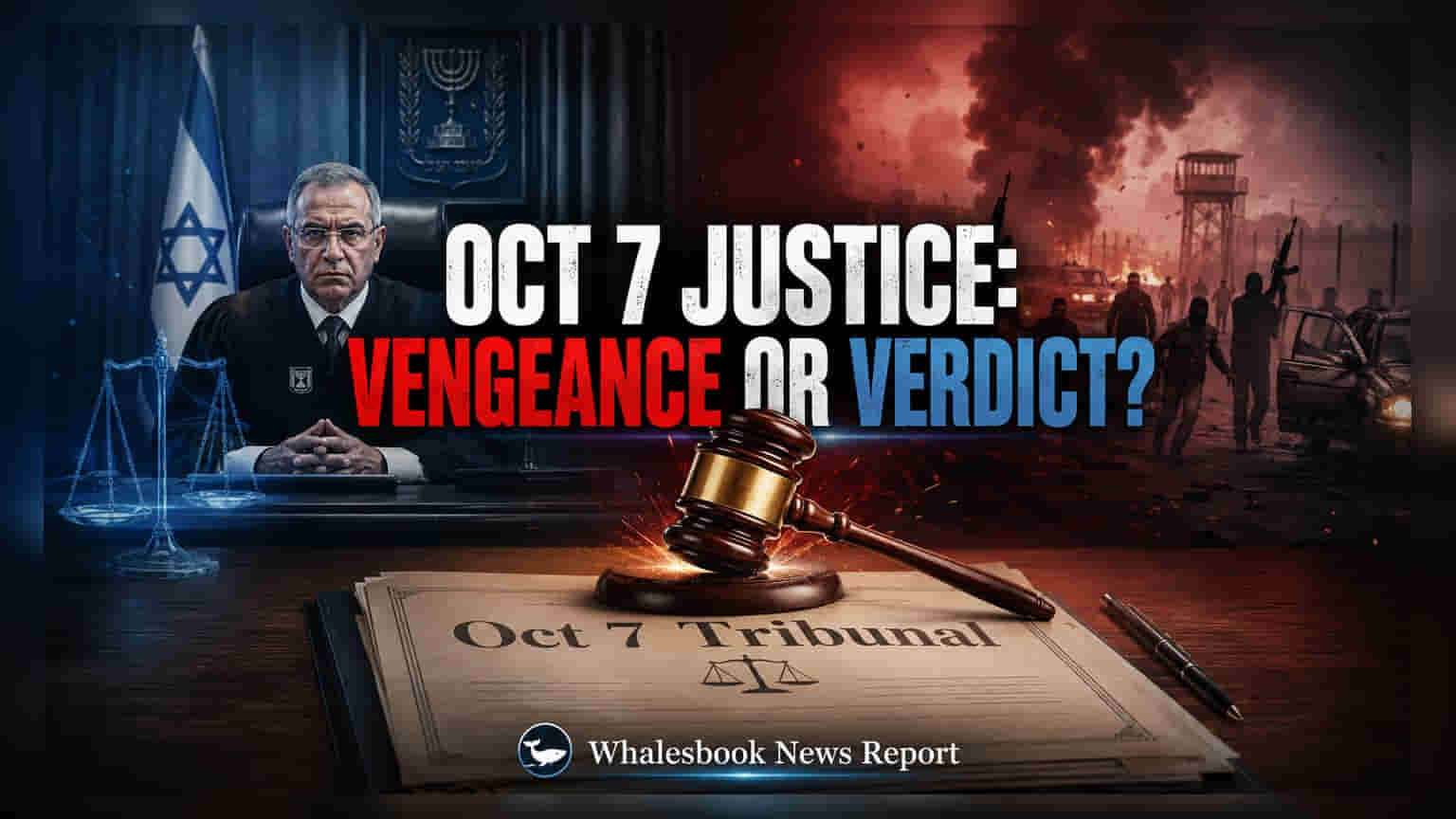


Tribunal Authority and International Backlash
Israel's decision to approve a specialized military tribunal for those accused in the October 7 Hamas-led assault gives the court the power to sentence defendants to death. This follows widespread public exposure to graphic accounts of the attacks, which resulted in 1,139 fatalities and 250 hostages. The tribunal's creation has triggered significant international concern over its compliance with established legal norms. United Nations Human Rights Chief Volker Turk has urged the repeal of the legislation, stating that a process deviating from international standards cannot deliver legitimate justice. The International Bar Association (IBA) has also expressed apprehension, citing the risk of unfair trials due to coercive tactics and forced confessions, which could lead to miscarriages of justice.
Critiques on Justice and Governance
Major human rights organizations, including Amnesty International, Human Rights Watch, and Israel's B'tselem, have condemned the legal framework. Yossi Mekelberg, a senior fellow at Chatham House, has questioned Israel's commitment to impartial justice, suggesting the tribunal might serve as an instrument of vengeance rather than accountability. Mekelberg pointed to past instances where Israeli officials, such as National Security Minister Itamar Ben-Gvir, have allegedly faced insufficient consequences for their actions, citing a Gaza flotilla incident as an example of systemic issues.
Political Rhetoric and Legal Procedures
Political discussions in Israel have extended blame for the October 7 attacks to the entire Palestinian population, with President Isaac Herzog stating that "an entire nation out there is responsible." This narrative has been amplified by figures like Minister Ben-Gvir and Finance Minister Bezalel Smotrich, who have often conflated all Palestinians with terrorists. The tribunal's legal procedures reportedly include secret evidence and the exclusion of indicted individuals from entire hearing segments, bypassing standard fairness protocols. The legislation, passed by a large majority in the Knesset, permits the death penalty under these proceedings.
Accountability Demands and Political Strategy
Amid high public support in Israel for punishing those involved in the attacks, scrutiny continues regarding the government's preparedness and response leading up to October 7. Persistent calls for an official inquiry into the government's actions that day remain. Former captive Rom Bralavski has been among those demanding accountability from parliamentarians, advocating for resignations and a state commission to investigate failures and prevent future occurrences. Political analyst Ori Goldberg suggests that the televised trials and potential executions could function as a diversion, deflecting attention from demands for governmental accountability. Goldberg believes Prime Minister Benjamin Netanyahu's approach may prioritize political preservation over addressing domestic criticism, characterizing his actions as strategic 'gambles' and 'stunts' aimed at maintaining power.