

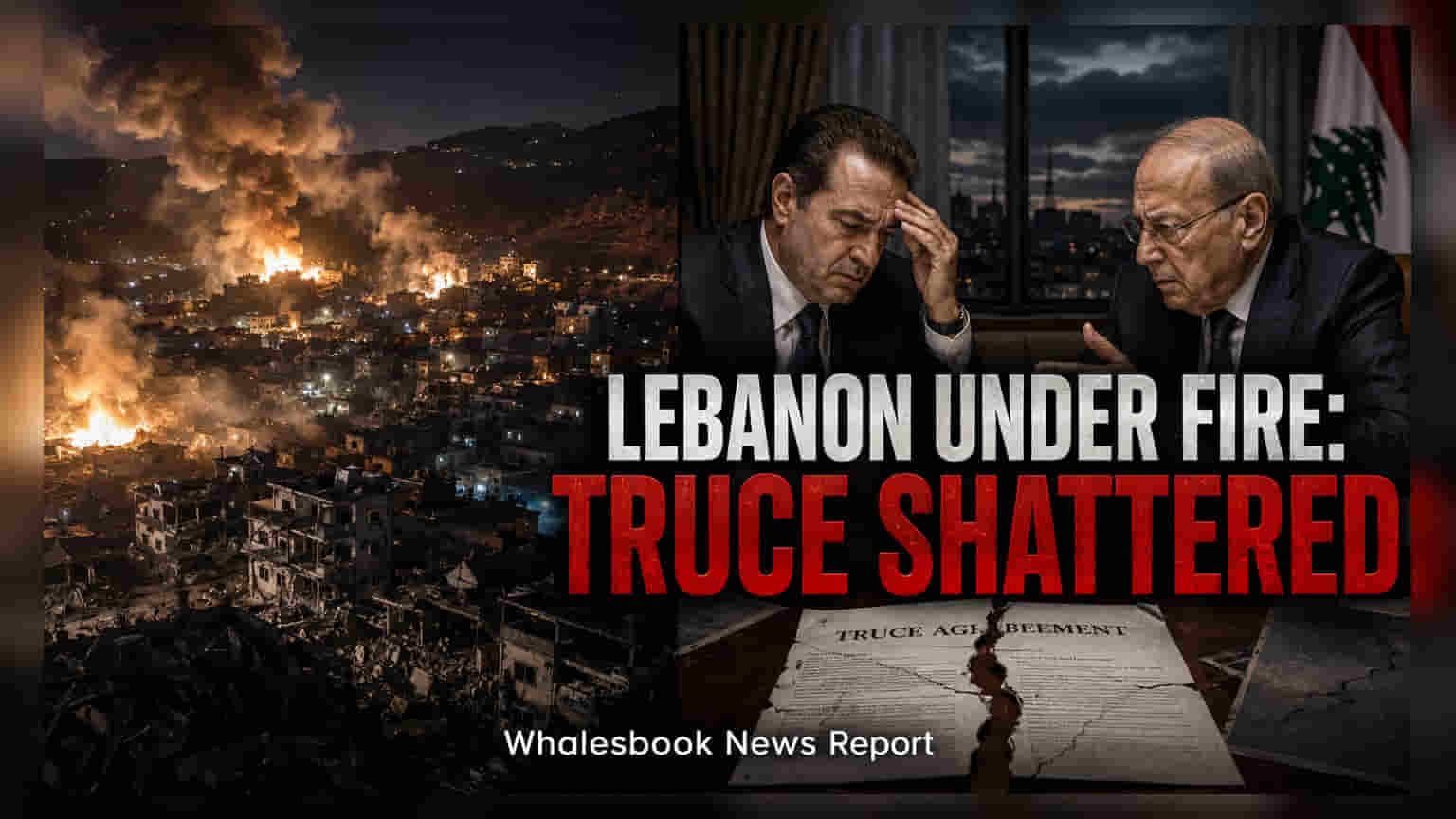
Israeli airstrikes on August 15, 2026, killed 11 people in southern Lebanon, marking a significant breach of the truce established in June. The renewed violence threatens the viability of ongoing peace talks and creates uncertainty regarding regional stability, which is often a key factor for global energy and shipping markets.
Israeli airstrikes in southern Lebanon on August 15, 2026, resulted in 11 deaths, including three children, marking the deadliest escalation since a fragile truce began on June 20. The attacks targeted residential areas in the towns of Ansar and Deir al-Zahrani, leading to widespread condemnation from Lebanese officials who stated the raids jeopardize stabilization efforts.
Impact on Peace Frameworks
This spike in violence comes despite a framework agreement announced on June 26, which aimed to facilitate an Israeli withdrawal from southern Lebanon in exchange for the disarmament of Hezbollah. The agreement had provided a brief period of relative calm. However, the latest hostilities have reignited concerns about the viability of these diplomatic channels. Lebanese authorities have argued that the strikes serve as a disruption to ongoing peace efforts and U.S.-mediated negotiations, while the Israeli military stated the operations were aimed at targeting Hezbollah infrastructure in response to activity near the Ali Taher Ridge area.
Broader Market and Geopolitical Context
For investors, the primary concern stemming from Middle East instability is the potential impact on global energy prices and shipping routes. Heightened tension in this region historically influences crude oil prices, which can affect inflation and corporate operating costs in oil-importing nations like India. Additionally, any sustained conflict can disrupt supply chains or impact the sentiment of foreign institutional investors regarding emerging markets.
Hezbollah has rejected the current peace negotiations, characterizing them as concessions, and the group has warned against attempts to impose a new reality. This hardening of stances leaves little room for immediate diplomatic resolution, raising the risk of prolonged volatility in the region.
What Investors May Monitor
Market observers will likely track the response of diplomatic mediators and the potential for these strikes to escalate into a broader regional conflict. Key indicators to watch include fluctuations in global crude oil benchmarks, updates on the scheduled peace talks in Rome, and any further statements from both parties regarding the June framework agreement. Any sign of de-escalation or a return to the negotiating table could help stabilize market sentiment, whereas a continued breakdown in the truce may keep risk premiums elevated.