 Whalesbook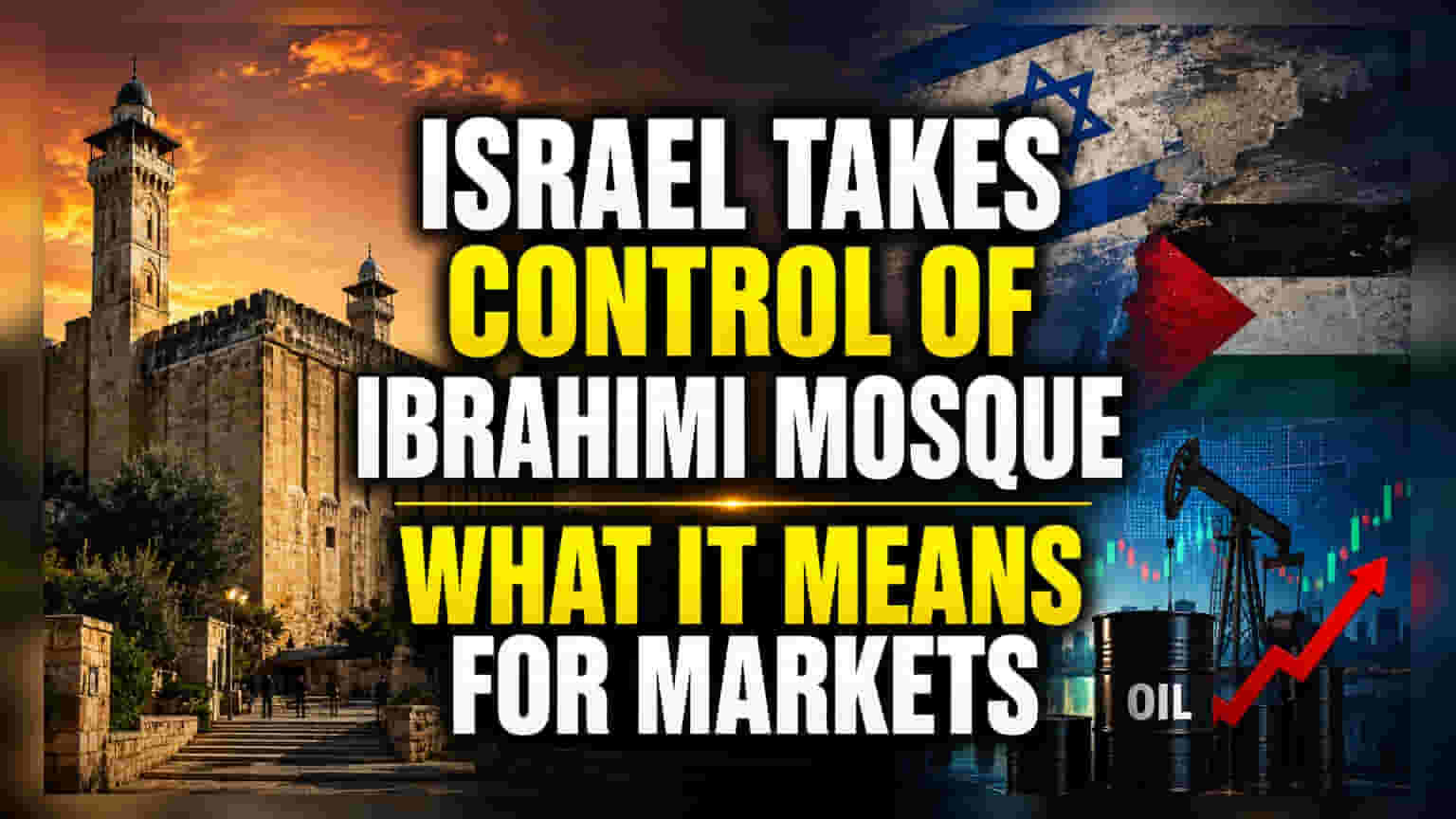


Israel has taken over planning and construction powers at the Ibrahimi Mosque in Hebron, modifying the 1997 Hebron Agreement. This development has increased geopolitical tension in the West Bank. Investors often monitor events in the Middle East, as regional instability can influence global energy prices and market sentiment.
What Happened
Israel has officially assumed planning and construction authority over the Ibrahimi Mosque, located in the West Bank city of Hebron. Finance Minister Bezalel Smotrich announced the decision, which effectively changes the terms of the 1997 Hebron Agreement. This agreement previously divided the administration of the city, with specific roles assigned to Palestinian authorities and Israeli bodies. By transferring these powers to Israeli control, the government aims to deepen its administrative presence in the area, a move that has drawn criticism from international observers and Palestinian officials.
Why It Matters For Global Markets
While this is primarily a political and geopolitical development, investors often track shifts in Middle Eastern stability. The region is a central player in the global energy supply chain. Increased tension or instability in the West Bank can lead to volatility in global oil prices and risk sentiment. For Indian investors, who monitor crude oil prices due to their direct impact on inflation and the trade deficit, developments in the Middle East remain a factor in macroeconomic outlooks.
Regional and Political Context
The Ibrahimi Mosque, also referred to as the Cave of the Patriarchs, is a highly sensitive site with deep religious significance for both Muslims and Jews, as it is believed to be the burial place of Abraham, Isaac, and Jacob. The site has historically been a flashpoint for conflict. Proponents of the move, including Finance Minister Smotrich, view the change as a step toward strengthening Israeli sovereignty in the territory. Conversely, critics argue the action violates the status quo and international legal frameworks established for the region.
What Investors Should Monitor
Investors typically watch for two main outcomes following such developments. First, any sign of escalation or sustained unrest in the West Bank, which could impact broader regional stability. Second, any potential shifts in diplomatic or trade relations that might affect economic sentiment. The situation remains fluid, and the main monitorable for market participants will be whether the move leads to further localized conflict or remains a administrative policy shift. As with any geopolitical event, market reactions often depend on the intensity and duration of the tension. Investors may keep an eye on international reaction and whether this policy change prompts any shifts in regional security dynamics.