

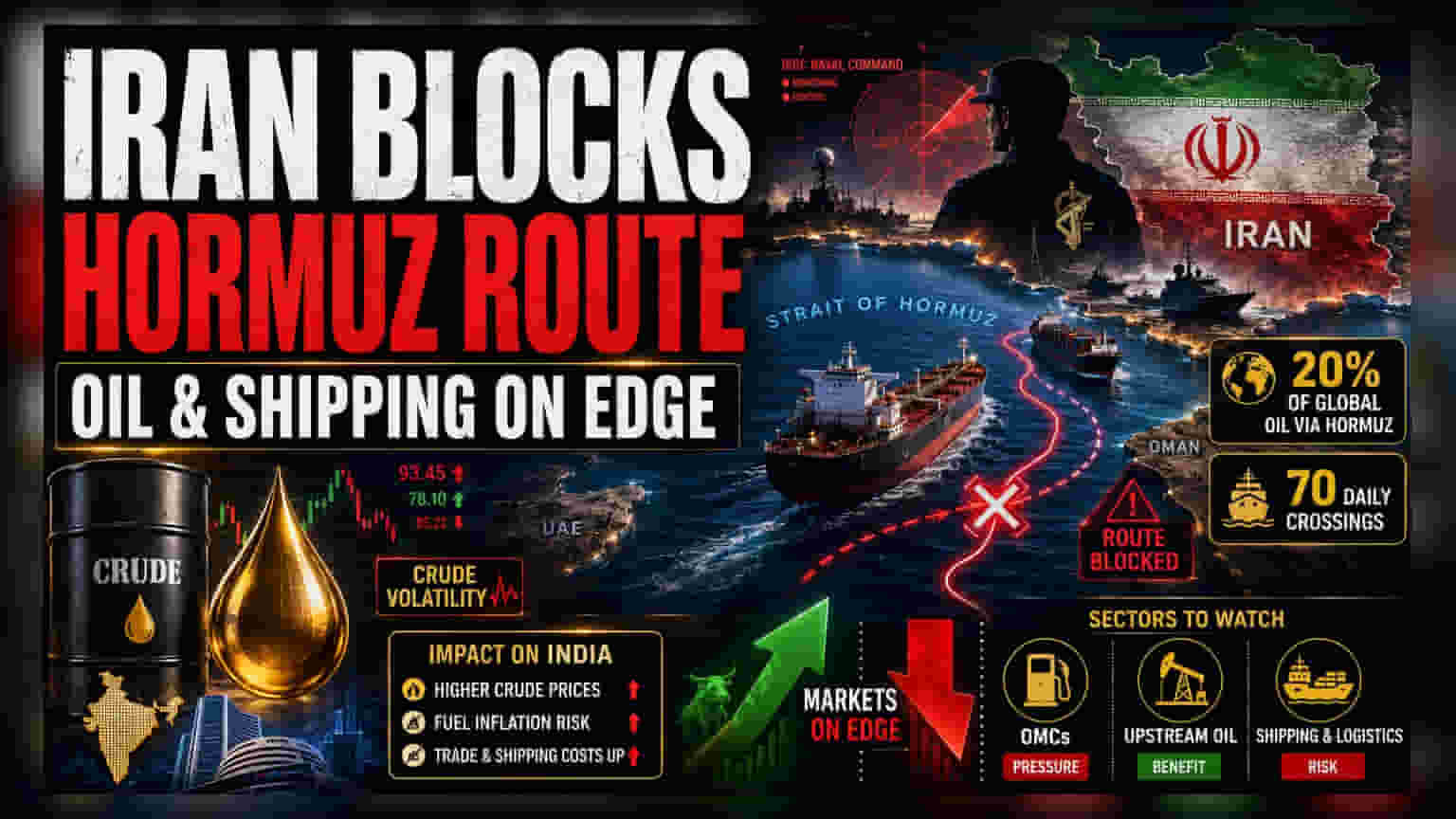
Tensions have resurfaced in the Strait of Hormuz as Iran’s IRGC rejected new shipping routes coordinated by Oman and the IMO. With the waterway facilitating nearly 20% of global oil and LNG, investors are watching the situation for potential volatility in crude prices, shipping costs, and energy-related stocks.
What Happened
The Islamic Revolutionary Guard Corps (IRGC) of Iran has formally rejected a new shipping corridor through the Strait of Hormuz. The route, which was announced by Oman and coordinated with the International Maritime Organization (IMO), was intended to help restore maritime traffic. However, the IRGC has declared that only routes approved by Tehran are permissible, warning commercial vessels to maintain contact with its naval forces. This move creates fresh friction, complicating efforts to normalize shipping through the world's most critical energy chokepoint.
Why The Strait Of Hormuz Matters
The Strait of Hormuz is essential for global energy security. It is a narrow passage through which approximately 20% of the world’s daily oil and liquefied natural gas (LNG) supplies transit. In 2025, daily traffic through this corridor reached an estimated 20 million barrels of oil. Any disruption or heightened uncertainty in this region can trigger volatility in global crude prices, which directly impacts energy costs for importing nations like India.
Impact On Energy And Logistics Stocks
For Indian investors, the situation creates a complex set of monitorables. First, volatility in global crude oil prices can influence the stock performance of Oil Marketing Companies (OMCs) such as Indian Oil Corporation (IOCL), BPCL, and HPCL, as their margins often depend on the ability to pass on fuel price changes. Conversely, upstream producers like ONGC and Oil India may see stock movements linked to fluctuations in international crude benchmarks like Brent or WTI.
Additionally, shipping and logistics companies, such as the Shipping Corporation of India, may face risks related to increased freight insurance premiums, vessel delays, or re-routing costs if tensions escalate. While shipping activity has shown signs of recovery with 70 confirmed daily crossings reported by analytics firm Kpler, the lack of full resolution keeps the logistics sector vulnerable to sudden changes.
The Diplomatic Standoff
The rejection by the IRGC occurs despite ongoing negotiations involving the United States. U.S. Secretary of State Marco Rubio has publicly dismissed the notion of Iran charging transit fees, asserting that international waters must remain open. Washington’s stance suggests that the success of the current peace talks will be judged by the ability of ships to move freely without interference. However, the IRGC's insistence on controlling routes remains a key point of contention that could test the durability of the recent memorandum of understanding between the two countries.
What Investors Should Track
Investors may keep an eye on several factors in the coming weeks. First, the movement of global crude oil prices remains the most direct indicator of market sentiment regarding this standoff. Second, any further commentary from international maritime bodies or major economies regarding the safety and governance of the Omani route will be important. Finally, quarterly management commentary from Indian energy and logistics companies may reveal if they are facing any operational challenges or increased costs associated with transit through the region.