

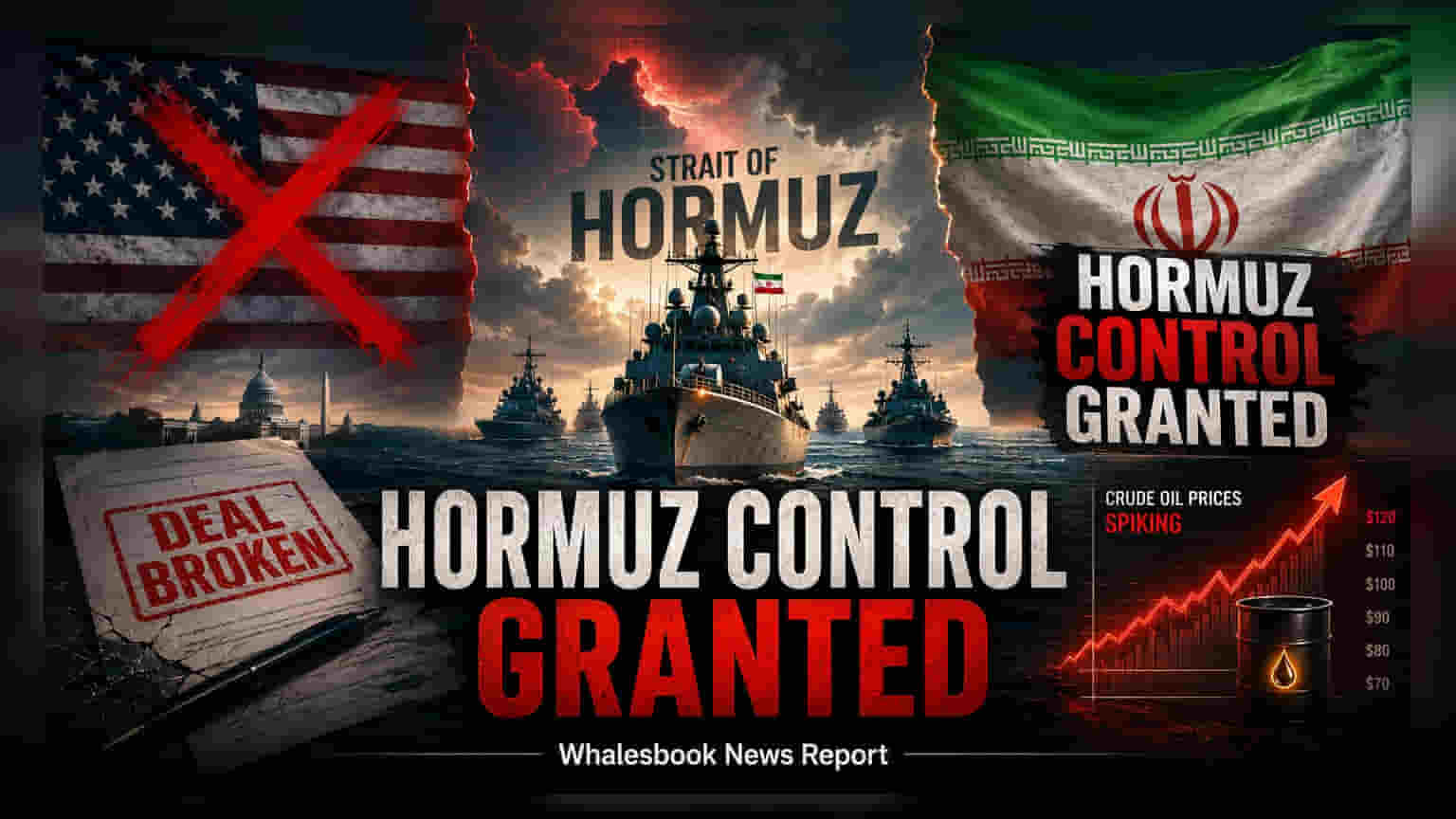
Iran has exited a US-brokered peace memorandum, citing rising military tensions and declaring full wartime control over the Strait of Hormuz. As a critical chokepoint for global oil transit, this move increases risks for energy supply chains and could lead to significant price volatility in crude oil and downstream markets.
In a major escalation of regional tensions, Iran has formally withdrawn from a US-brokered peace memorandum, effectively ending a fragile agreement intended to de-escalate hostilities that began earlier this year. Iranian Deputy Foreign Minister Kazem Gharibabadi stated that the country no longer considers itself bound by the deal, accusing the United States of violating its terms through ongoing military strikes and naval blockades. This decision marks a complete breakdown of diplomatic efforts that were initially designed to ensure safe navigation in regional waters and pause conflict for a 60-day period.
The most critical economic consequence of this announcement is Tehran’s vow to exercise full control over the Strait of Hormuz. As one of the world's most vital energy chokepoints, the strait handles a significant portion of global oil and liquefied natural gas shipments. Any attempt to restrict transit or militarize the waterway historically leads to immediate supply chain uncertainty, driving up global crude oil prices and increasing insurance costs for commercial shipping vessels passing through the region.
Financial markets are already reacting to the threat of a wider conflict. Following the announcement, the risk of disruptions to energy infrastructure has moved to the forefront of investor concerns. US President Donald Trump has indicated a readiness to expand military operations, specifically noting potential targets such as energy facilities and critical infrastructure if diplomatic channels remain closed. For investors, this creates a high-risk environment where energy-dependent sectors and global shipping firms may face increased volatility and operational challenges.
The immediate impact is likely to be felt in commodity markets, particularly crude oil, which often experiences price surges during periods of geopolitical uncertainty in the Middle East. Companies with high exposure to fuel costs, such as airlines, logistics providers, and heavy manufacturing firms, may see profit margins come under pressure if oil prices remain elevated. Conversely, oil exploration and production companies often see short-term stock price movements based on crude price fluctuations. Investors should closely monitor daily updates regarding maritime traffic in the strait, as well as any official statements from global energy agencies and major oil-importing nations, to gauge the severity of potential supply disruptions. The next critical monitorable is whether military activities expand to include energy infrastructure, as threatened, which would serve as a major trigger for further market instability.