 Whalesbook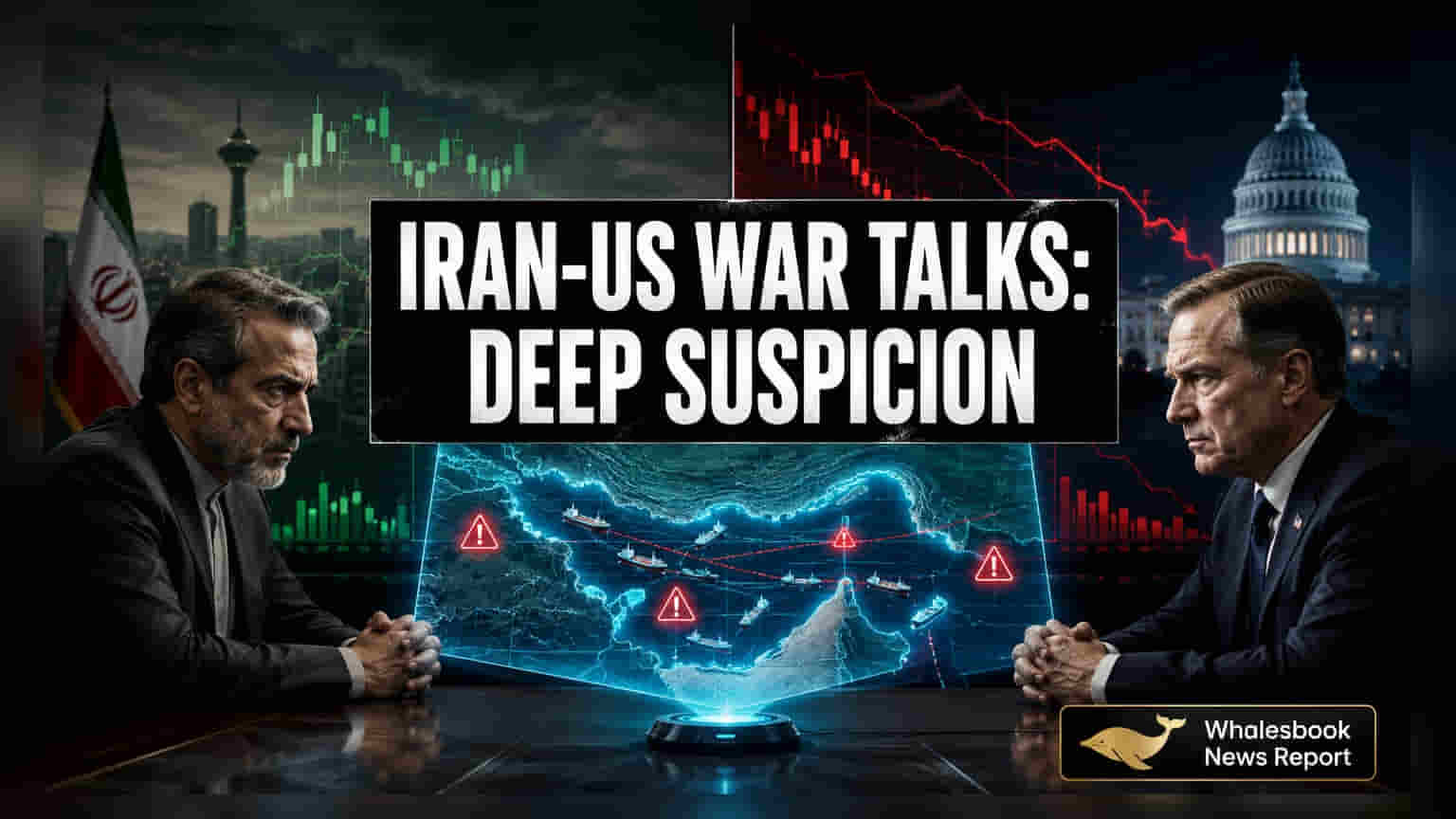


Managed Conflict, Not Peace
The current diplomatic efforts in Qatar are focused on managing a fragile ceasefire, not achieving a broad peace. Negotiators aim for a limited memorandum of understanding to de-escalate the ongoing conflict. Iran's main goal is to regain access to blocked overseas funds and reduce the impact of secondary sanctions on its trade. However, Iran continues to use its maritime strategy in the Strait of Hormuz as a significant bargaining tool, unwilling to give it up for minor concessions.
Regional Tension and Market Impact
This round of talks faces new challenges due to shifts in regional military readiness. The tactical situation is marked by the use of advanced defense systems, including the recent downing of surveillance aircraft. Financial markets are factoring in the risk of continued instability in the Strait of Hormuz, which is increasing insurance costs for oil tankers and hedging expenses for energy commodities. Analysts note that oil price volatility is increasingly driven by the potential for sudden disruptions to transit, rather than by supply levels.
Internal Disagreement in Tehran
Decision-making in Tehran is divided between the executive branch, which seeks economic stability, and the paramilitary leadership. The Islamic Revolutionary Guard Corps (IRGC) views the negotiations as a strategic weakening. Military planners worry that any agreement could allow Western intelligence to gather information. This internal conflict means that even if a memorandum is signed, enforcement is likely to be inconsistent. The lack of agreement on the nuclear program suggests these talks serve as a delay tactic, giving both sides time to prepare.
An Unstable Outlook
Any agreement reached is likely to be limited to stopping immediate hostile actions. Without a strong mechanism to ensure safe passage through the Strait of Hormuz, significant de-escalation for the global economy is unlikely. Market sentiment remains cautious. Analysts believe that until Iran's nuclear enrichment status is resolved, any progress toward stability should be seen as a temporary measure that could easily collapse if military activity resumes or political alignments shift.