 Whalesbook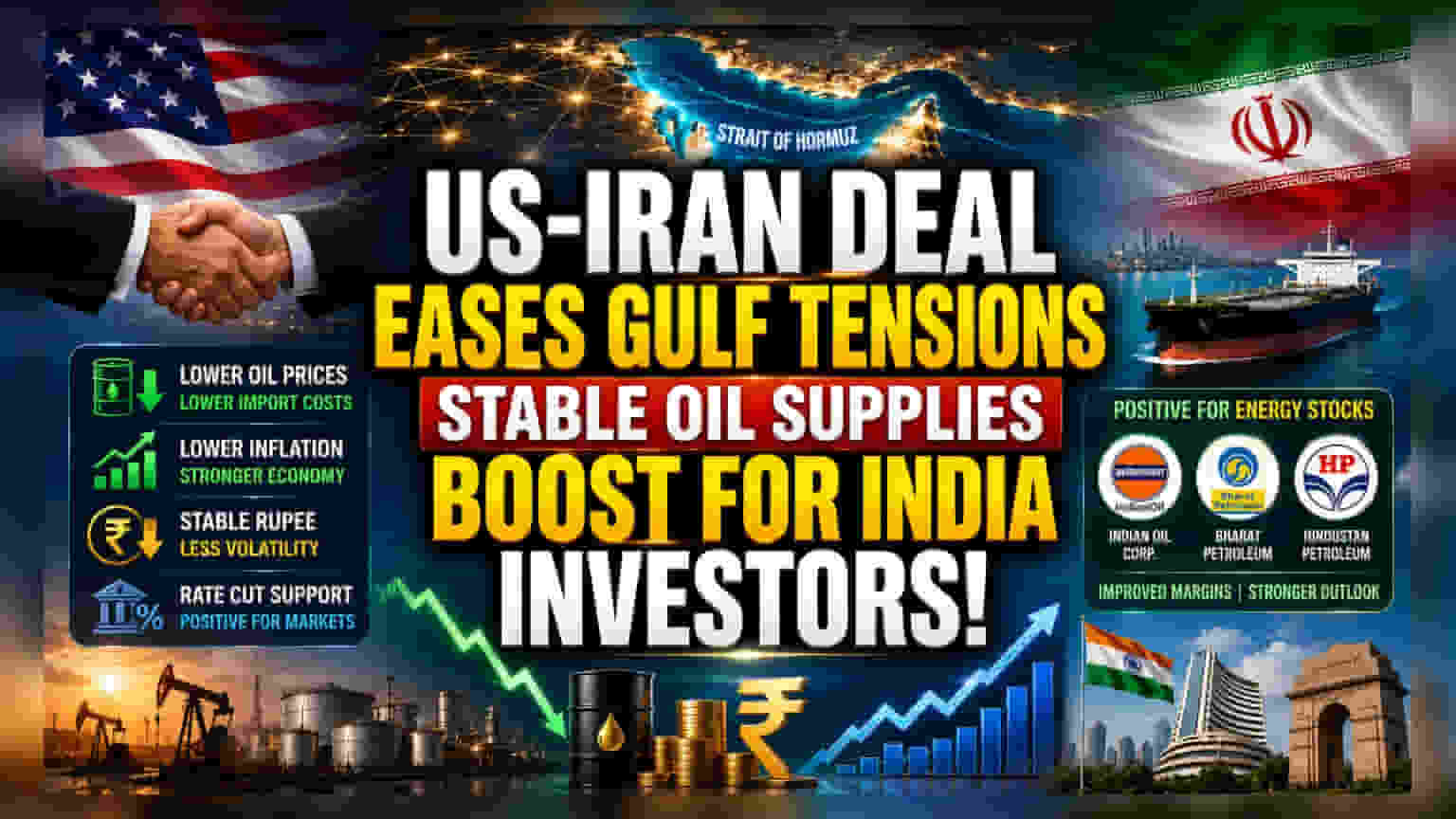


The US and Iran have reached an accord to reopen the Strait of Hormuz. For Indian markets, this could lead to lower energy import costs, reduced inflationary pressure, and support for the Indian Rupee. Investors are watching how this development impacts global oil prices and the margins of Indian oil marketing companies.
What Happened
The United States and Iran have entered into a diplomatic agreement aimed at resolving conflicts in the Gulf region. A central part of this development is the commitment to ensure the smooth operation of the Strait of Hormuz. This narrow waterway is a critical chokepoint for global oil and gas shipments. When this route is disrupted or threatened, global energy prices often rise due to fears of supply shortages. By easing tensions in this region, the agreement is expected to help normalize the flow of energy supplies to global markets, including India.
Why This Matters For Indian Investors
India is one of the world's largest importers of crude oil, relying on foreign markets for over 85% of its energy needs. A significant portion of these supplies travels through the Gulf. When tensions rise in the region, global oil prices often spike, forcing India to pay more for the same amount of fuel. This raises the national import bill, fuels domestic inflation, and puts pressure on the Indian Rupee. By potentially stabilizing oil prices, this deal could reduce the strain on India's energy import costs. For investors, this can lead to a more predictable environment for the economy, as lower oil prices generally help control inflation and reduce the risk of further interest rate hikes by the central bank.
Impact on Energy Companies and Markets
The news of this potential stability has broader implications for energy-related stocks in India. Oil Marketing Companies (OMCs) like Indian Oil Corporation (IOCL), Bharat Petroleum (BPCL), and Hindustan Petroleum (HPCL) are sensitive to global crude price movements. When crude prices are high, these companies often face margin pressure, especially if they cannot fully pass on costs to consumers. If this deal leads to a sustained reduction in global oil prices, it could provide some relief to their operating margins. However, market experts often note that the actual benefit depends on whether the price reduction is sustainable and how government fuel pricing policies evolve.
The Strategic Angle
Beyond the immediate price impact, the deal highlights the importance of economic stability in international relations. The Global Trade Research Initiative (GTRI), an economic think tank, has pointed out that such diplomatic shifts offer lessons for India. Founder Ajay Srivastava has suggested that navigating relationships with major powers requires a strong focus on strategic autonomy. For investors, this means the nation is trying to secure its national interests—such as stable and affordable energy—while engaging with global superpowers as an equal partner. This is a long-term theme that may influence how India negotiates trade, technology, and energy policies in the future.
Risks and Uncertainties
While the market may view this as a positive development, investors should remain cautious. Diplomatic agreements, especially in volatile regions, can be fragile. Implementation is often more complex than the announcement itself. Geopolitical tensions can resurface quickly, and global oil prices are also driven by factors beyond this deal, such as global demand trends, production decisions by OPEC+, and economic growth in other major economies like China. Therefore, a sudden price drop may not be permanent, and investors should look for consistent signs of market stabilization rather than reacting to short-term news.
What Investors Should Track Next
Moving forward, market participants should watch the actual impact on Brent crude oil prices and the USD-INR exchange rate. Any signs of conflict or renewed tensions in the Gulf would be a key risk factor that could quickly reverse market sentiment. Additionally, investors may monitor the management commentary from Indian oil refiners in their upcoming quarterly results to understand how fluctuations in crude costs are impacting their profitability. Finally, tracking government policy regarding fuel subsidies and pricing will be essential to see how much of any potential energy cost savings is passed on or retained by the companies.