

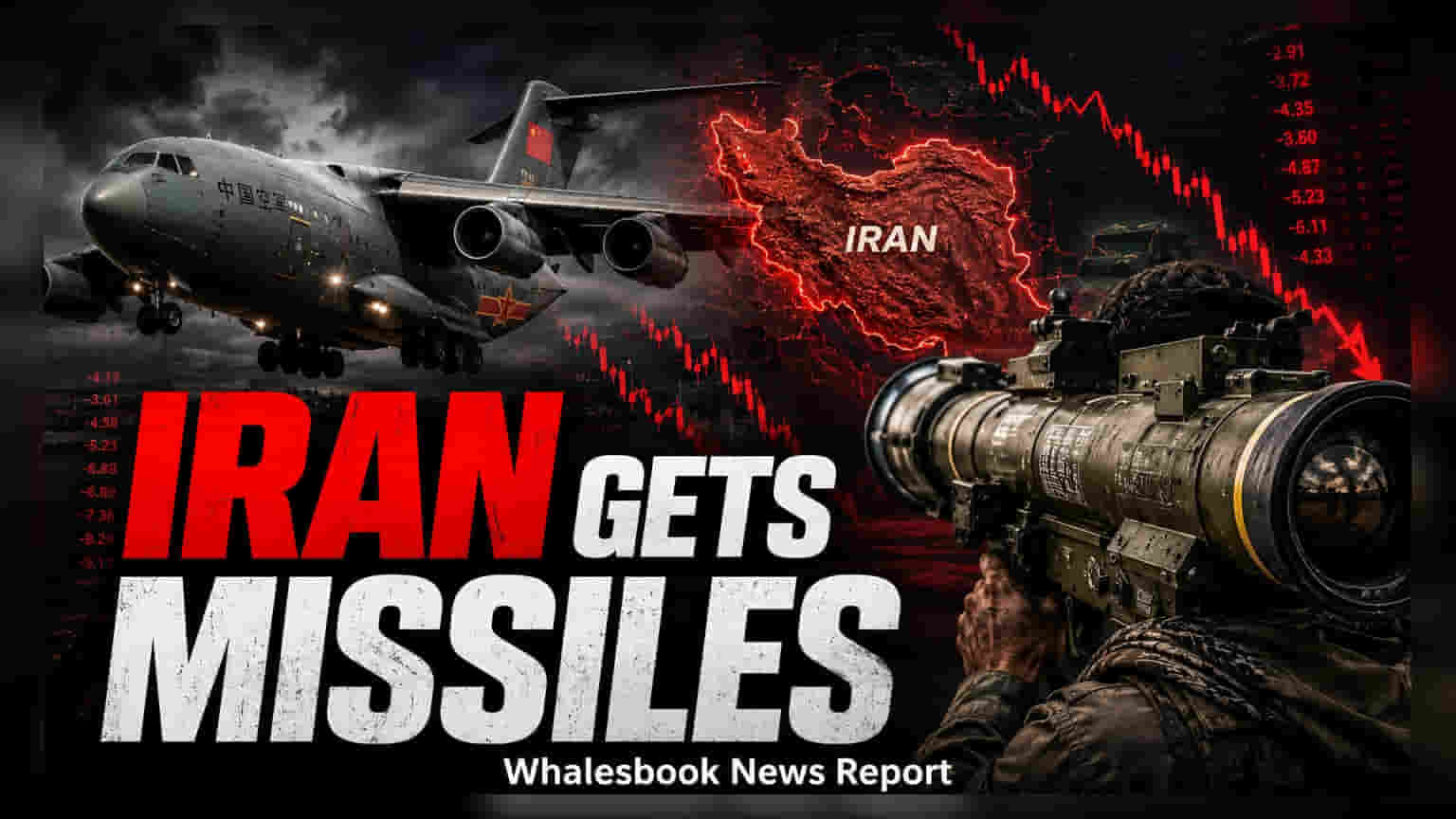
Iran is reportedly acquiring up to 400 Chinese-made shoulder-fired air-defense missile launchers in a deal valued between $60-70 million. The procurement, involving QW-12 and FN-16 systems, aims to strengthen Tehran's short-range air defense capabilities following recent regional military engagements. This move highlights Iran's strategic shift toward mobile defense systems to counter potential aerial threats.
Iran is preparing to receive a shipment of up to 400 Chinese-made shoulder-fired air-defense missile launchers, often referred to as MANPADS, within the coming weeks. The contract, estimated to be worth between $60 million and $70 million, focuses on two specific missile variants, the QW-12 and the FN-16. This acquisition is part of a broader effort by Tehran to address identified weaknesses in its short-range air defense network, which were highlighted during recent military tensions involving the United States and Israel.
Strategic Shift in Defense Infrastructure
The decision to procure man-portable air defense systems represents a tactical shift for Iran's defense strategy. Unlike large, fixed air-defense batteries that can be easily identified and targeted by enemy forces, these portable launchers offer greater flexibility. They can be operated by small teams, rapidly moved, and hidden, which makes them difficult for adversaries to neutralize. By deploying these systems, Iran aims to better protect its critical military installations and strategic assets against aerial threats.
Transaction Logistics and Regional Context
The deal was reportedly facilitated through an intermediary firm, Zhongqing Baoshang International Investment, based in Hong Kong. The current logistics plan suggests that the missile systems will be transported by air from Urumqi, China, with a transit stop in Pakistan before reaching Iran. While the specific delivery timeline may evolve, the procurement signals a strengthening of military-related supply lines between Iran and China. It is worth noting that China has maintained that its international involvement remains focused on promoting regional peace, despite reports linking its defense hardware to this transaction.
Broader Impact on Regional Stability
This purchase comes at a time when Iran is actively seeking to rebuild its military inventory after recent strikes impacted its drone and missile programs. Even with a ceasefire currently in place, the region remains volatile, and the reinforcement of air defense capabilities is a central priority for the Iranian government. For international observers and market participants, this move serves as an indicator of continuing geopolitical tension in the Middle East. The primary monitorable for analysts will be how these hardware acquisitions influence the security calculus of neighboring nations and whether this leads to a shift in regional defense spending or procurement policies in the months ahead.